Choosing the right Lithium Ion Electric Bike can feel overwhelming. With so many options available, knowing what to consider is crucial. John Anderson, a cycling industry expert, emphasizes this point: “The right electric bike can transform your riding experience.” His insight reflects the importance of informed choices.
Lithium Ion Electric Bikes are revolutionizing personal transportation. They offer convenience, efficiency, and sustainability. However, not all bikes are created equal. Features like battery life, motor power, and weight must be carefully assessed. Many riders overlook the significance of long-term durability.
Understanding your riding needs is essential. Do you plan on commuting daily, or is it for weekend adventures? These questions will guide your decision. Researching various models and reading reviews can be illuminating. While it’s tempting to focus on aesthetics, performance is key. You might feel overwhelmed by the plethora of options, but taking your time will lead to a better choice.
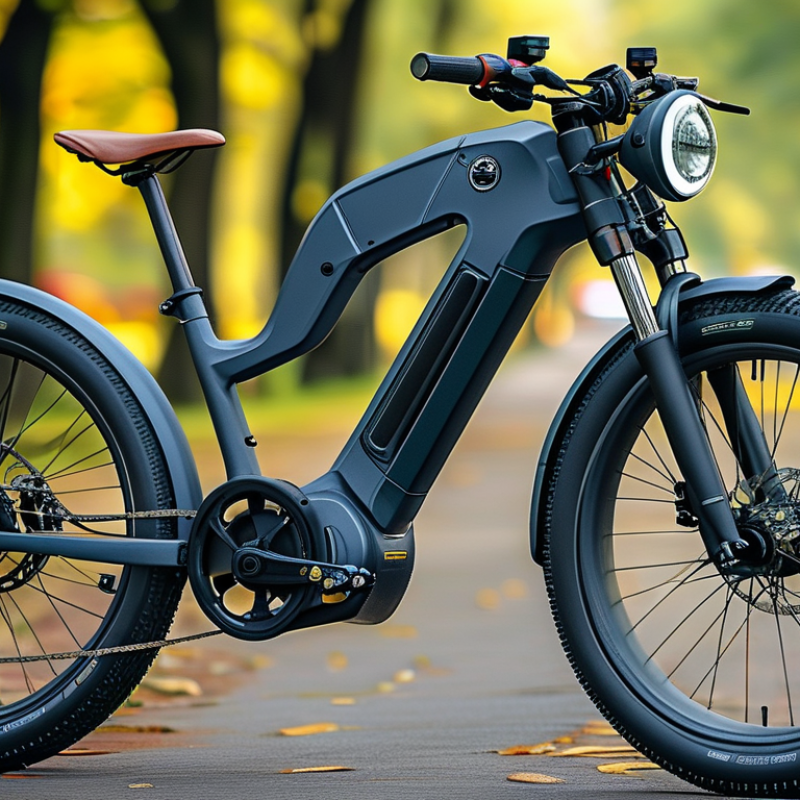
Factors Influencing Battery Capacity and Range in Lithium Ion E-Bikes
When selecting a lithium-ion electric bike, battery capacity and range are critical factors. A typical lithium-ion battery ranges from 300Wh to 700Wh. This capacity directly impacts how far you can ride. Higher watt-hours allow for longer journeys without recharging. According to industry reports, e-bikes with 500Wh batteries can cover around 50 to 70 miles per charge. Factors like terrain and rider weight can influence this range.
Battery chemistry also affects performance. Most e-bikes use lithium-ion chemistry, which allows for lightweight and efficient energy storage. But not all lithium-ion batteries are equal. Variability in cell quality can lead to discrepancies in actual capacity versus advertised claims. Regular maintenance of the battery further influences longevity and usage. Over time, battery degradation is a fact of life, which can affect how far your bike will go.
Environmental conditions also play a role. Cold temperatures can limit battery output, reducing overall range. It's essential for riders to understand these nuances. A well-informed decision can be made by researching battery types, considering ride patterns, and examining specs closely. Balancing these components can lead to a more fulfilling riding experience.
Understanding Voltage and Power Ratings for Optimal E-Bike Performance
When selecting a lithium ion electric bike, understanding voltage and power ratings is crucial for performance. Voltage affects the bike's speed and acceleration. A higher voltage generally enables a bike to go faster. However, it also requires a stronger battery and components, which can add weight. Balance is key; choose a voltage that matches your riding style.
Power rating, measured in watts, indicates how much energy the motor can use. A higher wattage typically means better performance, especially on steep inclines. Riders often overlook this aspect. A 250-watt motor might be adequate for flat terrain but could struggle uphill. If you live in a hilly area, aim for a bike with at least 500 watts for reliable performance.
Tip: Before you buy, think about your typical rides. Do you need speed or endurance? Conduct thorough research by examining forums and reviews. Seek advice from experienced riders. They can provide insights into how different voltage and power ratings affect real-world performance. Don’t rush your choice; reflect on your needs carefully. This is a significant investment. Consider maintenance and battery life as well, since these factors impact long-term value.
Understanding Voltage and Power Ratings for Optimal E-Bike Performance
Evaluating Weight and Frame Material in Lithium Ion Electric Bikes
When choosing a lithium-ion electric bike, weight and frame material are crucial factors. A lighter bike offers greater maneuverability and ease of transportation. Many riders prefer aluminum frames for their balance of weight and strength. Steel frames, though heavier, provide durability. According to industry reports, a lightweight bike can enhance performance by up to 15% in hilly terrains.
Additionally, the frame material affects the overall ride quality. Carbon fiber frames are gaining popularity due to their stiffness and reduced weight. However, these can be less affordable. If budget is a concern, look for high-quality aluminum. It performs well and is often more accessible. Consider how often you'll ride and the types of terrains you’ll encounter. This consideration will guide your decision on material.
Tip: Always test ride a bike before purchase. Feeling the weight and handling can reveal much about suitability. Ensure you choose a bike that fits your body well. A good fit contributes to your comfort and efficiency. Evaluating these factors is essential for long-term satisfaction. Remember, the best bike for you may not be the lightest or most expensive; it's about personal preferences and needs.
Key Features to Consider: Motors, Gearing Systems, and Display Interfaces
When choosing a lithium-ion electric bike, the motor type is crucial. A powerful motor enhances your riding experience. Look for a motor with at least 250 watts. This will provide sufficient assistance for urban commuting and hilly terrains. Consider the motor placement as well. Mid-drive motors offer better balance, while hub motors are often quieter. Each has its own advantages, so think about your riding style.
Next, pay attention to the gearing system. A bike with a wide range of gears can adapt to different terrains. This is essential if you plan to ride on varied landscapes. More gears mean easier pedaling uphill and efficient cruising on flat roads. It's also helpful for beginners who may need more support while learning. However, keep in mind that more gears can mean more maintenance.
Finally, examine the display interface. A clear, user-friendly display enhances your riding experience. It should show battery life, speed, and distance at a glance. Some models include smart features, like navigation or fitness tracking. These extras can add value, but they can also complicate usage. Aim for simplicity unless advanced features genuinely appeal to you. Finding a balance between functionality and ease of use is key.
Top Tips for Choosing a Lithium Ion Electric Bike
| Feature |
Description |
Importance |
| Motor Power |
The wattage of the motor impacts speed and hill-climbing ability. |
High |
| Battery Capacity |
Measured in amp-hours (Ah), it determines the range of the bike. |
High |
| Gearing System |
Type of gears affects how well the bike performs on different terrains. |
Medium |
| Display Interface |
Shows battery level, speed, and distance; ease of use is key. |
Medium |
| Weight |
Affects handling and portability; lighter bikes are generally easier to ride. |
High |
| Braking System |
Disc vs. rim brakes can impact stopping power and maintenance. |
High |
Assessing Cost vs. Value: Making the Right Investment in E-Bikes
When considering a lithium-ion electric bike, it’s vital to assess cost versus value. Many buyers gravitate toward lower-priced options. However, cheaper models often compromise on quality and longevity. Investing in a reliable e-bike usually means a higher upfront cost, but this can save money in the long run. Maintenance and replacement costs for inferior bikes can add up quickly.
Evaluate the features that enhance the bike's value. Think about battery capacity, motor efficiency, and build quality. These factors significantly impact performance and user experience. Additionally, reviews play a crucial role. Seek feedback from other riders to gauge real-world performance. This information can help uncover potential pitfalls in cheaper models.
Don’t overlook warranty and support. It's a sign of a company's confidence in its product. A robust warranty can protect your investment. It’s important to reflect on your specific needs. What terrain will you ride on? How far will your commutes be? Answering these questions can guide your decision-making process and ensure you find an e-bike that truly meets your lifestyle and expectations.
FAQS
: A typical lithium-ion battery ranges from 300Wh to 700Wh for e-bikes.
Higher watt-hours enable longer rides without recharging, affecting overall distance.
Terrain, rider weight, and battery chemistry all impact how far you can travel.
Regular maintenance can prolong battery life and improve performance, despite natural degradation over time.
Aluminum and steel are popular, while carbon fiber offers stiffness but can be more expensive.
Lighter bikes enhance maneuverability and can improve performance in hilly terrains.
Assess battery capacity, motor efficiency, and build quality to determine the bike's true value.
Reviews offer insights into real-world performance and can highlight potential issues with cheaper models.
Think about fit, personal preferences, and types of terrains you'll ride on to ensure comfort and efficiency.
Yes, test rides reveal important details about weight, handling, and overall suitability for your needs.
Conclusion
When choosing a Lithium Ion Electric Bike, several key factors should be considered to ensure optimal performance and satisfaction. Understanding battery capacity and range is crucial, as these aspects directly affect how far and efficiently the bike can be used. Additionally, grasping voltage and power ratings will help you select an e-bike that meets your performance needs.
Weight and frame material are significant considerations as well, influencing the bike's maneuverability and comfort. Key features such as motor type, gearing systems, and display interfaces also play a vital role in enhancing the riding experience. Finally, assessing the cost versus value is essential to make an informed investment, ensuring that the chosen Lithium Ion Electric Bike delivers both quality and functionality for your specific requirements.

 Asian Dragon