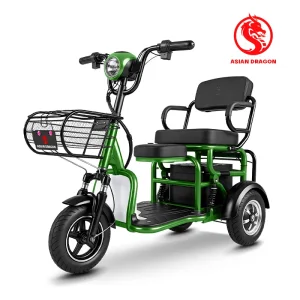
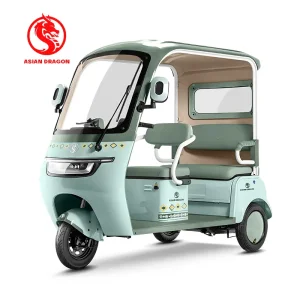
Engineered for stability, comfort, and sustainable urban transport solutions
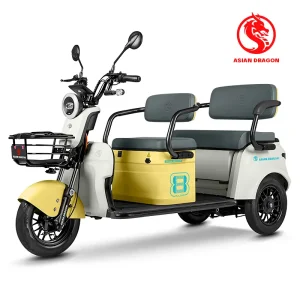
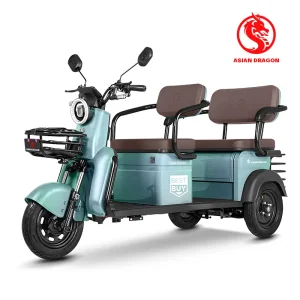
Strategic analysis of clean micro-mobility integration within international distribution and commuter matrices
The global transition toward electrification is no longer restricted to passenger cars and commercial utility trucks. The micro-mobility ecosystem, specifically electric three-wheelers (commonly known as E-Tricycles, E-Trikes, or Electric Tuk-Tuks), is experiencing an unprecedented compound annual growth rate (CAGR). Driven by stringent urban emission policies, the rapid expansion of last-mile delivery operations, and the demand for cost-effective personal mobility, E-Tricycles have emerged as a critical element in global transportation strategy.
In highly dense urban centers across Europe, North America, and Asia, logistics operators and municipal planners are confronting the limitations of traditional delivery vans. Congestion, lack of parking, and restrictive inner-city zero-emission zones (ZEZs) make E-Tricycles a superior option. Engineered with heavy-duty differentials, compact turn radii, and high-capacity battery units, these vehicles execute short-range logistics cycles at a fraction of the operating cost of conventional internal combustion engine (ICE) utility vehicles.
Unlike standard electric bicycles, the modern industrial E-Tricycle integrates sophisticated automotive-grade elements: high-torque brushless DC (BLDC) motors, dual-circuit hydraulic disc braking systems, integrated steel chassis cages, and smart battery management systems (BMS). This structural configuration delivers superior lateral stability and payload support, bridging the capability gap between light-weight two-wheelers and full-sized commercial vehicles.
On a macro-economic level, global businesses are evaluating their carbon footprint and total cost of ownership (TCO). Fleet managers transition to E-Trikes to minimize fuel overhead and simplify maintenance schedules. With significantly fewer moving parts than traditional vehicles, electric powertrains drastically reduce downtime. This operational advantage is driving substantial demand in B2B procurement, pushing manufacturing hubs to upscale production capabilities and deliver highly specialized, application-driven vehicles.
How Linyi Fulong New Energy Co., Ltd. defines high-capacity E-Tricycle production
China is the global center for electric three-wheeler manufacturing, supported by robust supply chains, advanced metallurgy, and specialized battery fabrication facilities. At the forefront of this industrial sector is Linyi Fulong New Energy Co., Ltd., established in 2017. As an integrated R&D, manufacturing, and sales enterprise, the company has developed a complete, high-efficiency supply chain capable of producing electric two-wheelers and three-wheelers at massive scale.
Operating a modernized facility with a **factory coverage area of over 20,000 square meters**, the factory features automated structural welding stations, advanced electrostatic coating lines, and comprehensive electronic diagnostic bays. This infrastructure supports an **annual production capacity exceeding 500,000 units**, allowing the company to reliably fulfill high-volume global procurement orders while maintaining consistent structural quality across all product lines.
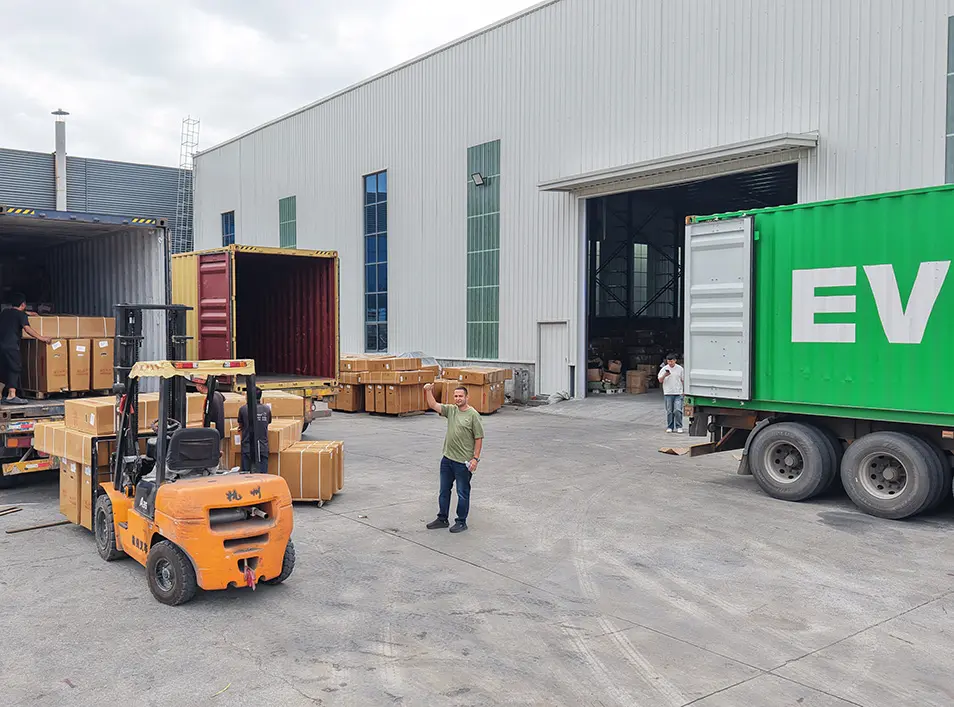
Linyi Fulong New Energy Co., Ltd. maintains a customer-first, quality-first business philosophy. Every vehicle undergoes a rigorous multi-stage quality control process before leaving the assembly line, including chassis alignment stress tests, high-voltage insulation tests, dynamic braking trials, and waterproof testing to ensure optimal performance in harsh climates. Export networks span across Europe, the Middle East, Southeast Asia, South America, and Africa, with products validated under regional safety and environmental compliance standards.
Targeted vehicular configurations optimized for distinct operational profiles and environments
A primary driver of E-Tricycle adoption is their versatility across diverse urban and rural contexts. By analyzing consumer behavior and commercial usage patterns, Linyi Fulong New Energy has engineered specialized configurations to meet the demands of key user demographics:
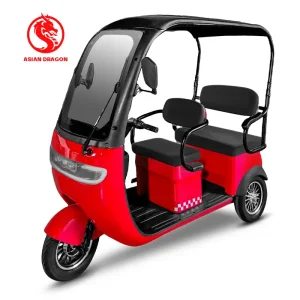
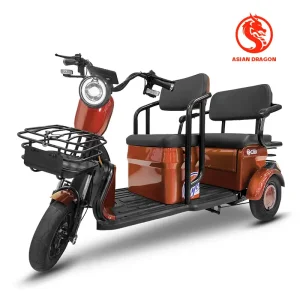
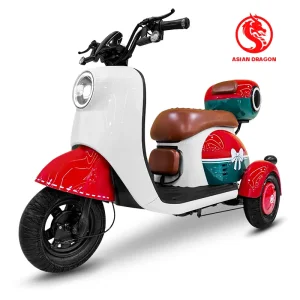
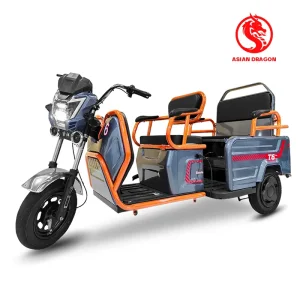
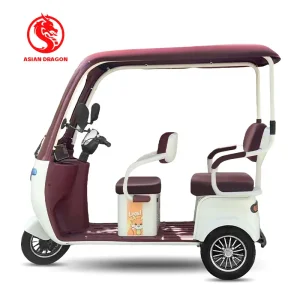
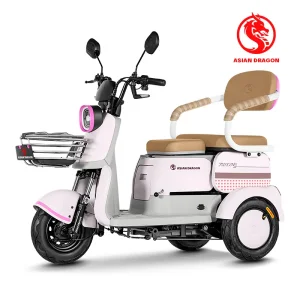
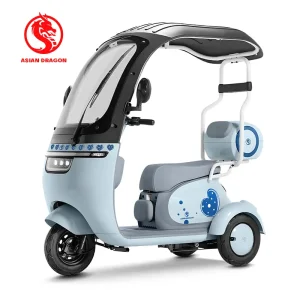
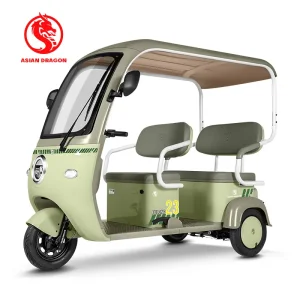
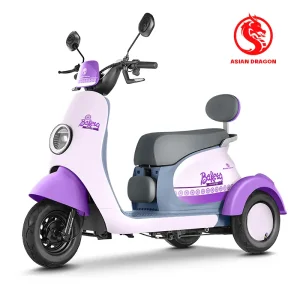
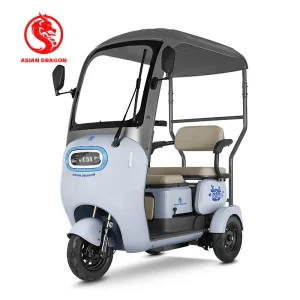
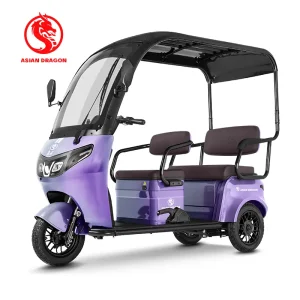
Precision matching for personalized styles. Customized designs based on user demographics make it easy to find the perfect fit. Commuters get matched with long-lasting batteries, families with children find roomier seats, and short-distance commuters have lightweight options available, ensuring everyone finds their ideal and practical electric bike.
Next-generation innovations defining the future of light electric transport vehicle architecture
The E-Tricycle sector is evolving rapidly, driven by innovations in electronics, battery chemistry, and structural metallurgy. Modern models are transitioning from simple utility transport into highly optimized, smart electric vehicles. Industry leaders are focusing R&D efforts on four key pillars:
Traditional lead-acid batteries are increasingly replaced by high-density lithium-ion chemistry. LiFePO4 packs deliver significant advantages, including over 2,000 charge cycles, lower weight, and superior thermal stability. Leading manufacturers are also testing sodium-ion alternatives, which offer excellent performance in cold weather and lower raw material costs, making electric transport more accessible globally.
Smart controllers utilize CAN-Bus communications to continuously monitor battery health, individual cell voltages, and thermal states. This real-time diagnostics system prevents overcharging, extends operational life, and integrates with onboard GPS systems to provide fleet operators with accurate location, speed, and state-of-charge data.
Modern electric trikes use integrated transaxle motors rather than traditional chain-drive or hub-motor configurations. By combining the motor, differential, and axle into a single housing, power transmission loss is reduced, torque delivery on steep inclines is optimized, and mechanical durability is improved.
To maximize range without increasing battery size, manufacturers focus on structural weight reduction. Utilizing robotically welded high-strength low-alloy (HSLA) steel tubing ensures high structural integrity and passenger safety while minimizing curb weight. Aerodynamically optimized thermoformed ABS plastic panels and canopies further reduce drag.
Explore our comprehensive lineup of light electric vehicles manufactured by Linyi Fulong New Energy Co., Ltd.
Optimizing supply chain operations, shipping configurations, and regulatory certifications
For international buyers, distributors, and fleet operators, procurement involves managing international safety certifications, import tariffs, shipping logistics, and structural modifications. Partnering with an experienced factory like Linyi Fulong New Energy Co., Ltd. helps streamline the importing process through structured B2B protocols:
To optimize ocean freight costs, E-Tricycles are typically shipped in SKD or CKD configurations. SKD (Semi-Knockdown) packages the main chassis and motor assembly together, with only wheels, handlebars, and accessories requiring final installation. This setup balances low assembly complexity with reduced shipping volume. CKD (Complete Knockdown) ships disassembled components, minimizing container space and import duties in countries that support domestic assembly lines.
Sourcing products requires compliance with local transport authority regulations. To ensure smooth customs clearance and road legalization, Linyi Fulong offers specific certifications:
• Europe: EEC (European Economic Community) / CoC (Certificate of Conformity) for L2e/L5e vehicle classes.
• North America: DOT (Department of Transportation) and SAE-compliant lighting, braking, and safety features.
• Global Markets: CE marking and ISO9001 quality management system certifications.
Linyi Fulong accommodates specific branding and structural modifications. From customized battery capacities (48V, 60V, or 72V configurations) to specialized paint schemes and custom canopy enclosures, our design team translates client requirements into market-ready vehicles.
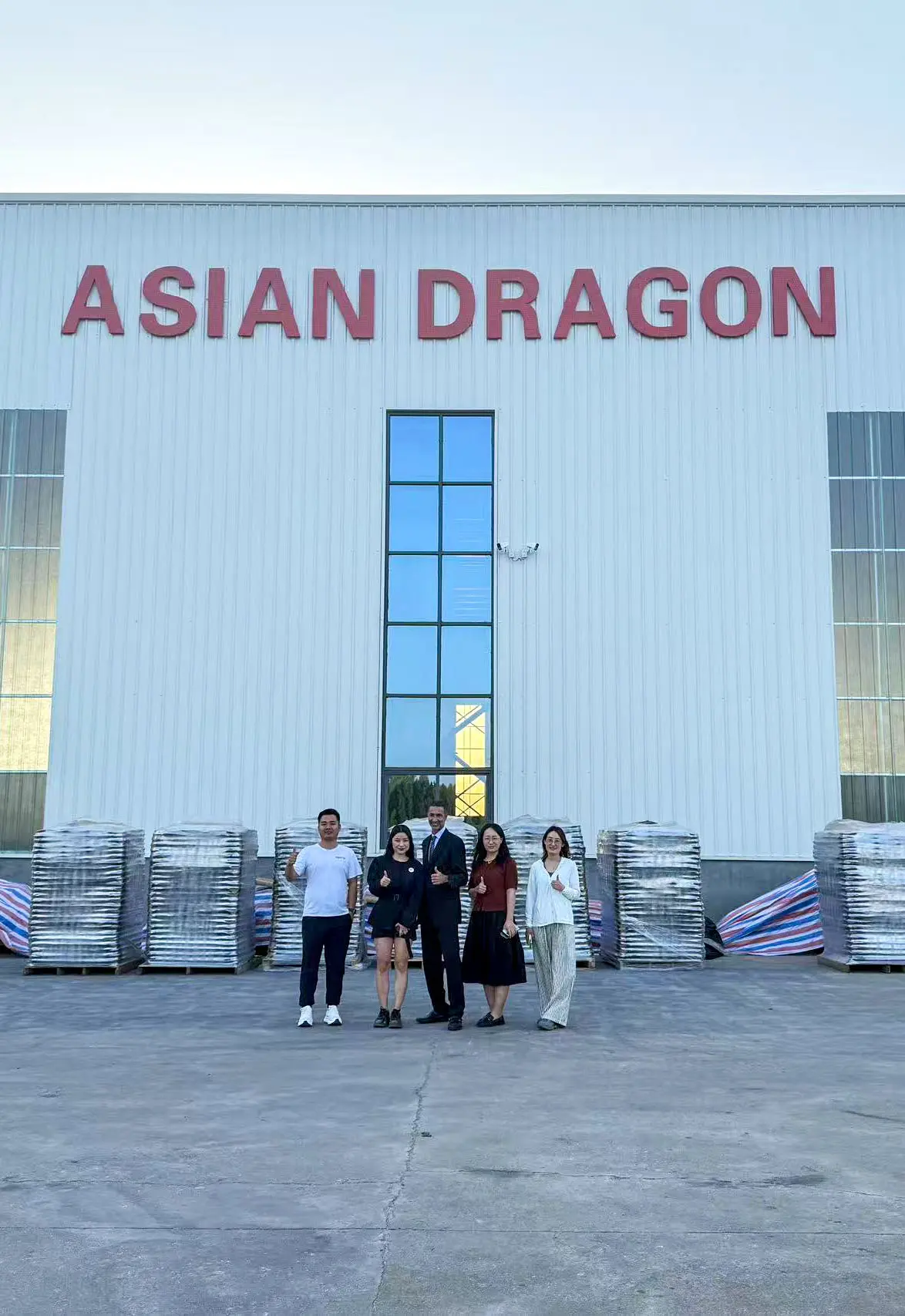
"In the future, the company will continue to take 'customer first' as the guide, listen to your needs and constantly optimize products and services; Taking 'quality first' as the bottom line, we will provide you with reliable product guarantee and help your business development."
Linyi Fulong New Energy Co., Ltd. understands that trust and mutual respect form the foundation of every B2B partnership. We invite global partners, fleet coordinators, and distributors to visit our factory, inspect our production lines, and witness our quality standards firsthand.
Technical answers to common questions regarding logistics, engineering, and operation
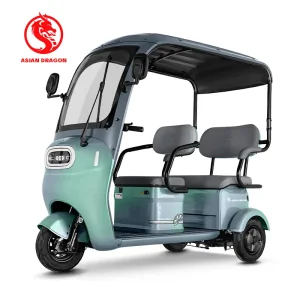
Modern configurations featuring high-durability canopies and customized cargo layouts
 Asian Dragon