Direct from Linyi Fulong New Energy Co., Ltd. - High Capacity Wholesale Global Supply
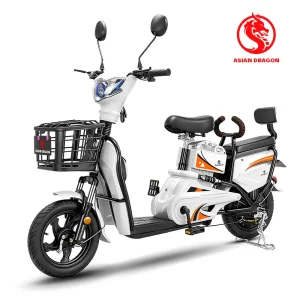
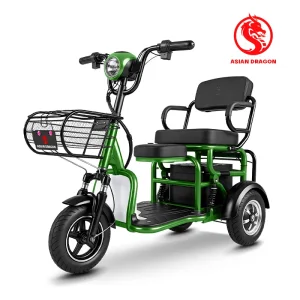
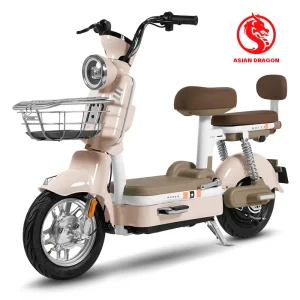
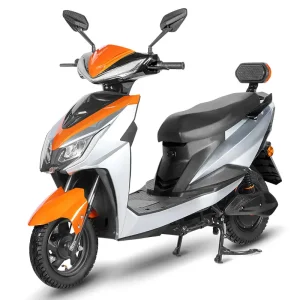
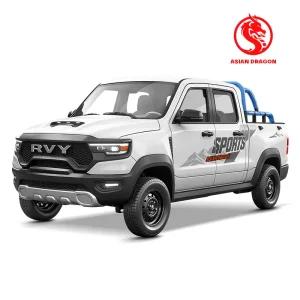
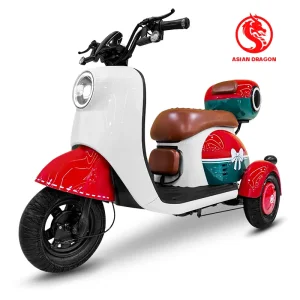
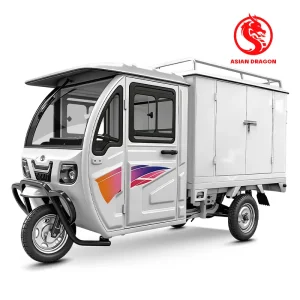
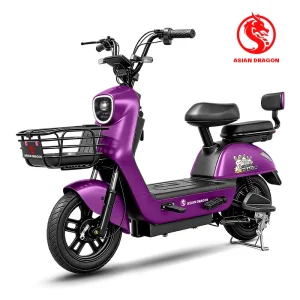
The global transition toward sustainable urban transportation has propelled electric two-wheelers and three-wheelers into the forefront of urban logistics and personal daily transit. As the world's primary manufacturing hub for light electric vehicles (LEVs), China represents over 80% of global production output. However, navigating the ecosystem of China E-Bike Top Factories requires a profound understanding of technical standards, manufacturing maturity, and regulatory compliance.
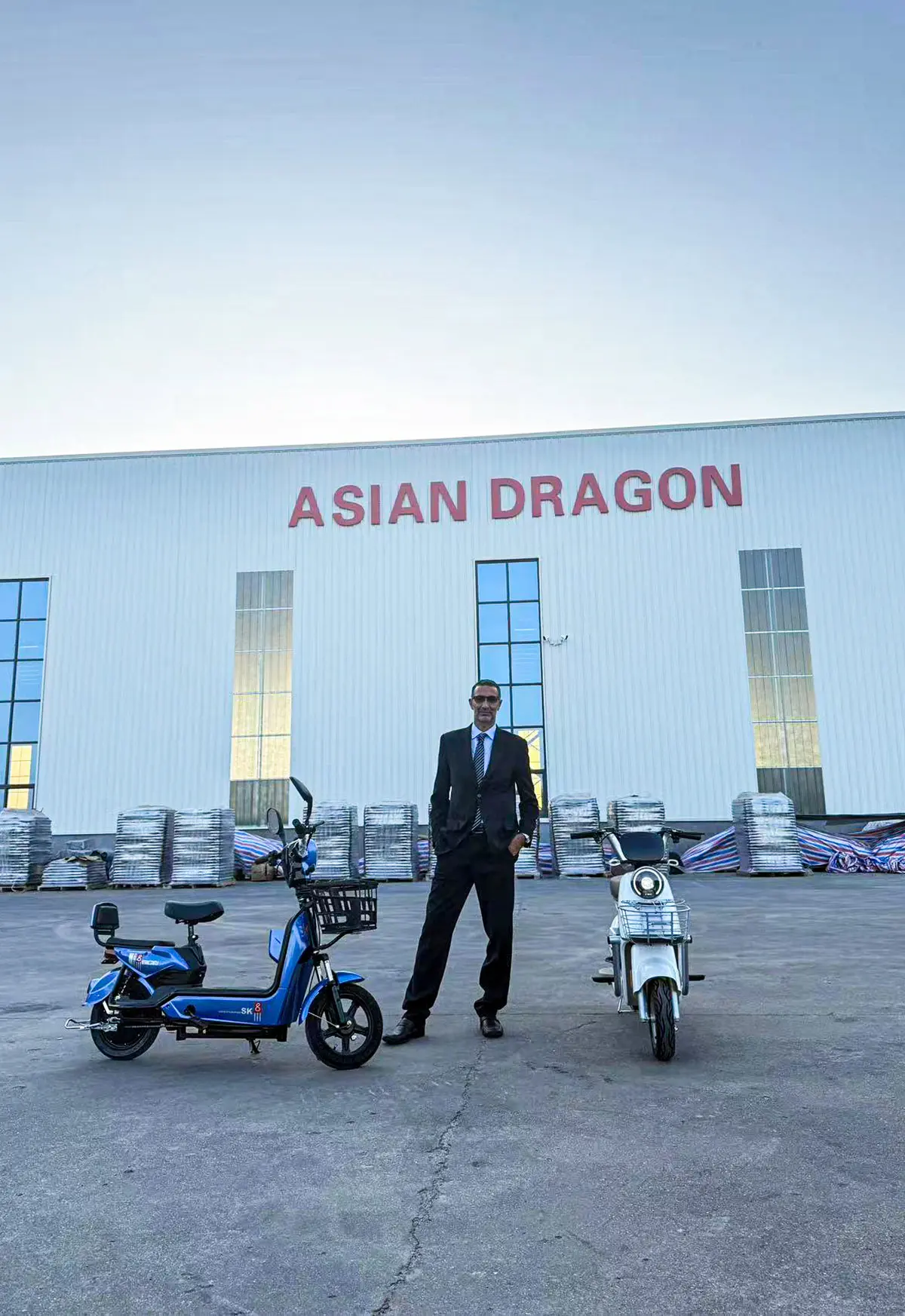
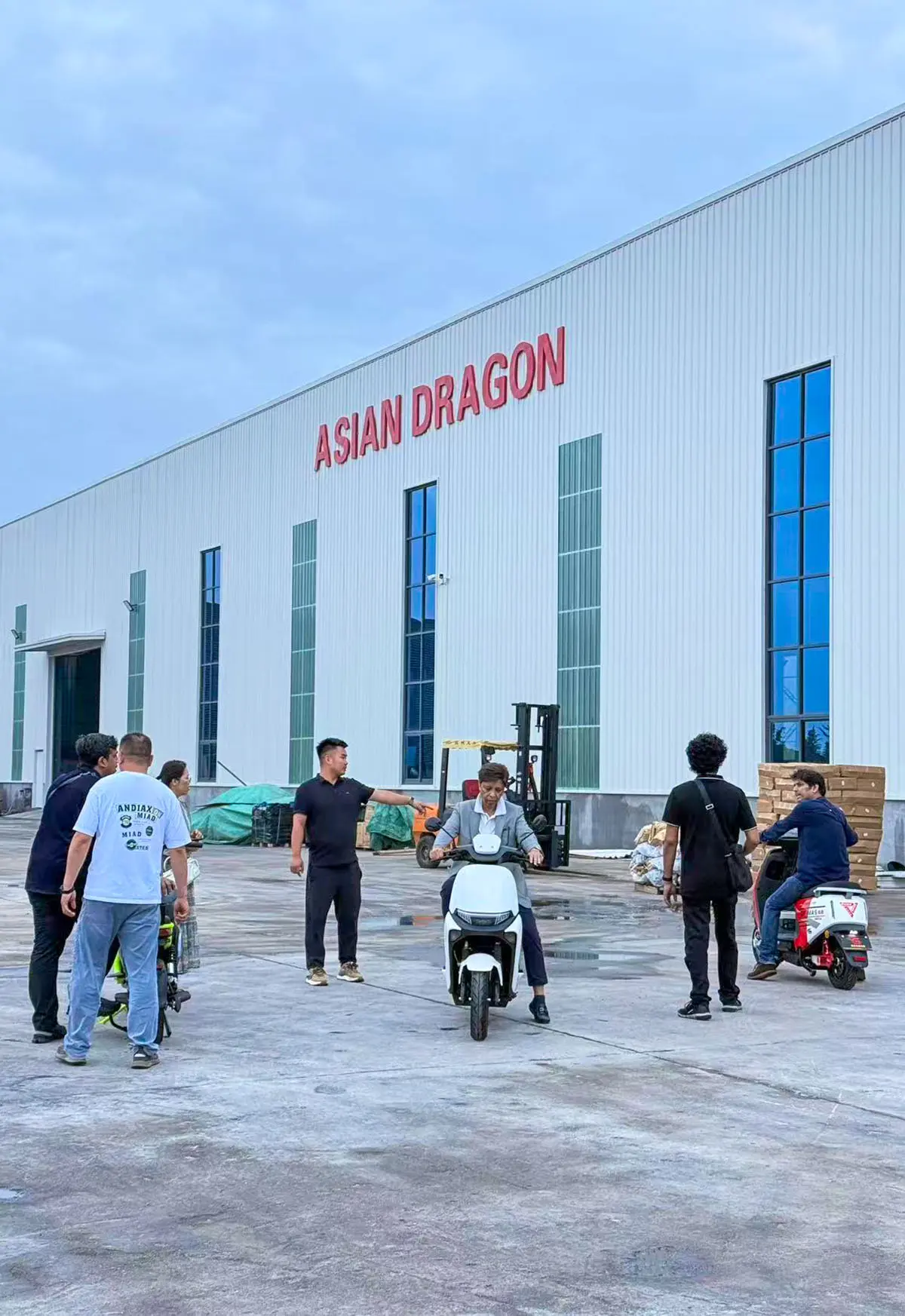
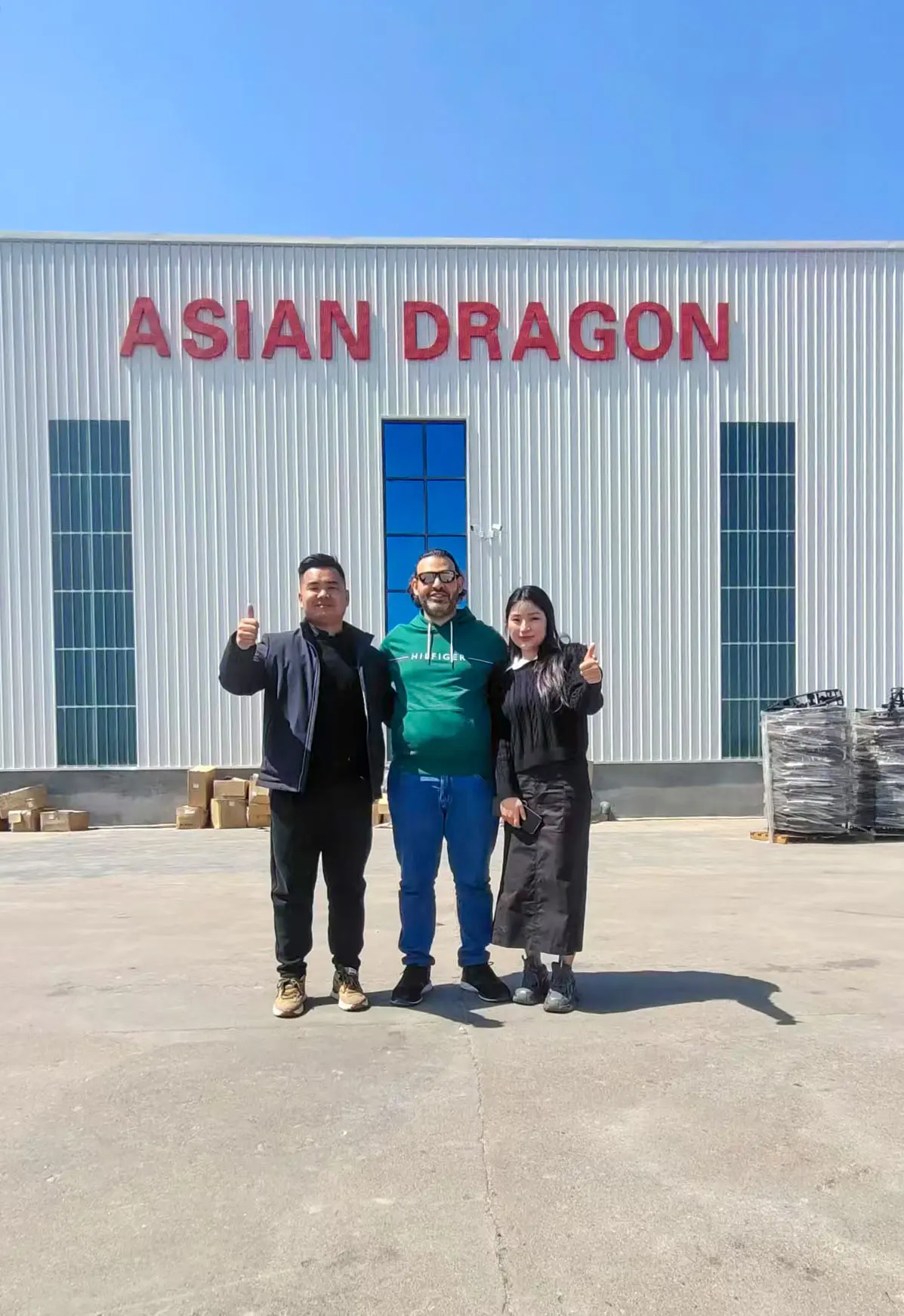
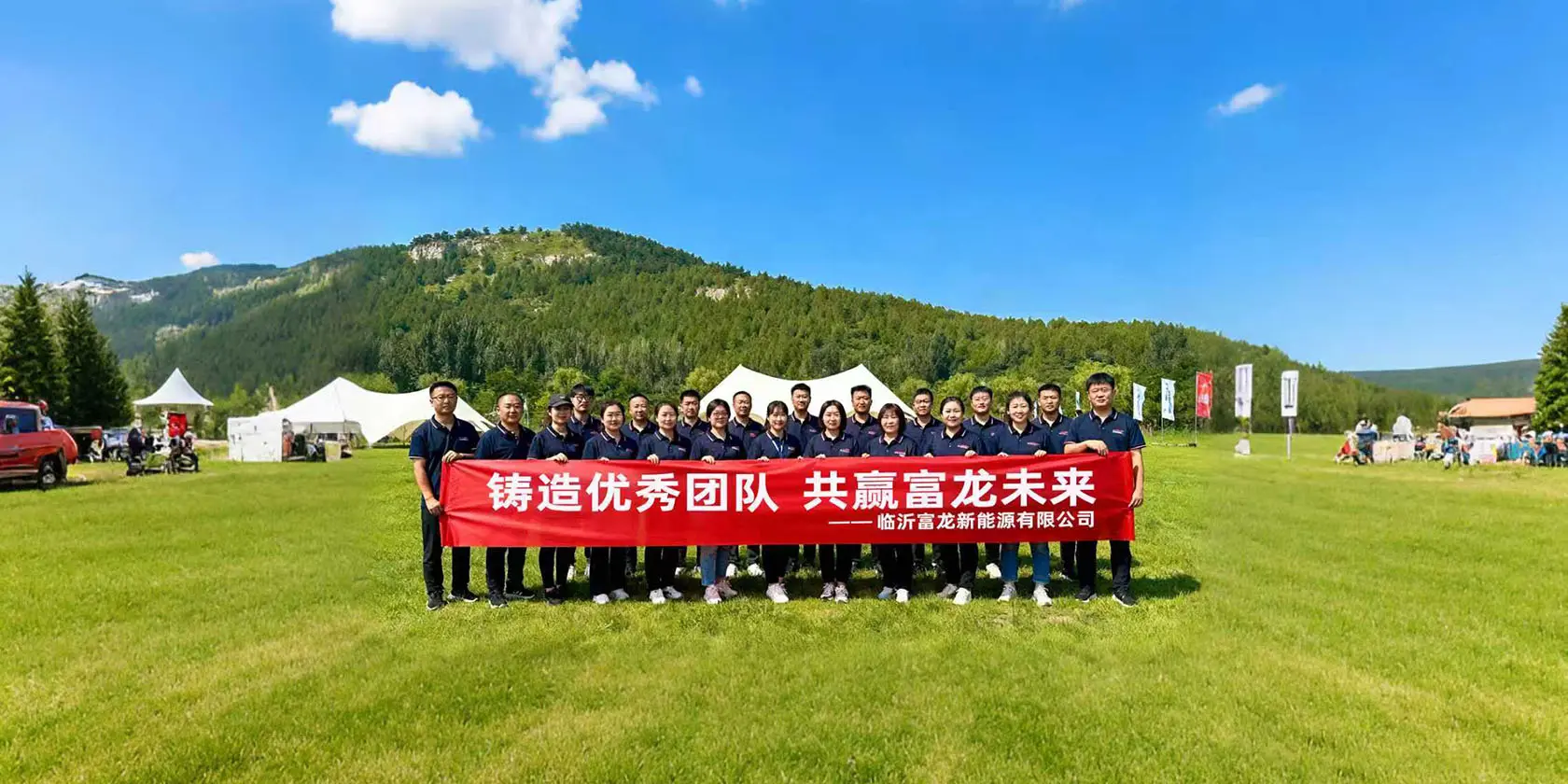
Linyi Fulong New Energy Co., Ltd. stands as a pioneer in this high-growth sector. Established in 2017, the company has integrated research, development, and vertical manufacturing to deliver top-tier electric motorbikes, cargo tricycles, and family passenger e-trikes. Boasting an annual output capacity exceeding 500,000 units and serving markets in more than 90 countries, we provide business buyers with unmatched stability, quality validation, and supply chain continuity.
We recognize that modern transit is not a one-size-fits-all sector. Precision matching for personalized styles is built deep into our core R&D framework. By developing customized chassis layouts, structural load capacities, and battery management parameters, we cater to a vast cross-section of global user personas:
Understanding the Key Drivers for International Distributors, Fleet Managers, and Retail Networks
Global retail networks require differentiated product lines. Top Chinese factories must offer robust ODM/OEM options, supporting changes in motor wattage (250W to 3000W), battery chemistries, and frame branding to maintain distinct competitive advantages in regional retail spaces.
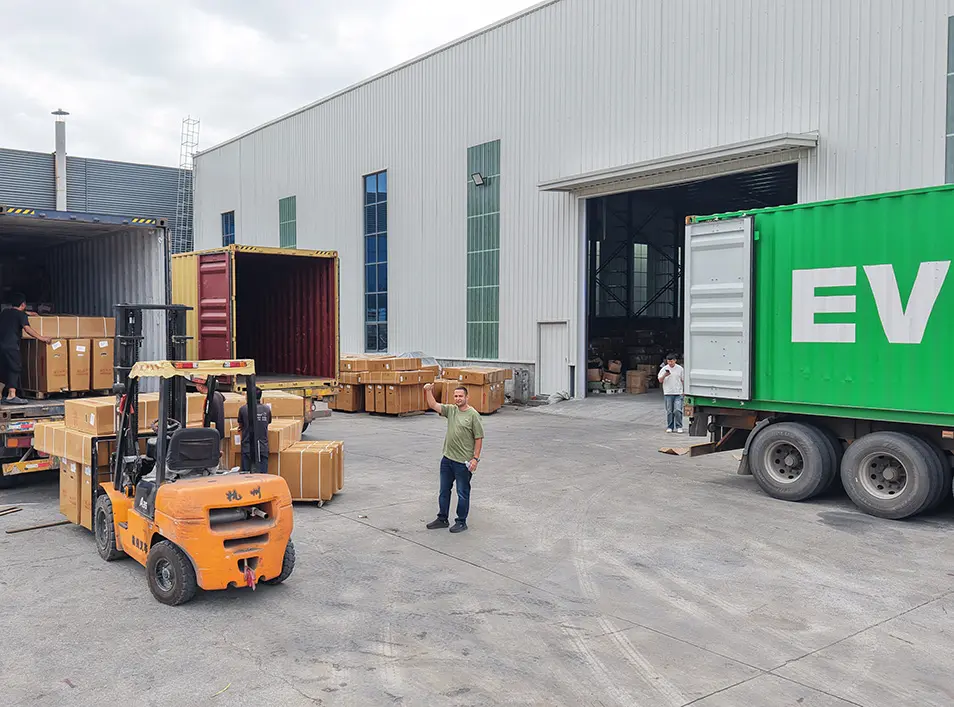
To mitigate rising ocean freight rates, international distributors prioritize Completely Knocked Down (CKD) or Semi-Knocked Down (SKD) packing options. Standardized stacking configurations maximize container load capacity by up to 45%, directly improving landed margins.
Importation into regional blocks requires strict compliance documentation. The absolute baseline for entry into premium markets includes comprehensive CE testing, EEC/COC certifications for EU vehicle registration, DOT approval for the US market, and localized UL safety standards for battery packs.
Addressing Congestion, Final-Mile Distribution, and Environmental Commitments
Municipalities worldwide are establishing low-emission zones (LEZs) to restrict high-emission heavy vehicles from entry. This regulatory shift has created a massive bottleneck for domestic deliveries. Enclosed and canopy cargo electric tricycles have emerged as the primary substitution strategy.
By integrating weatherproof gradient canopy designs and robust rear-mounted hub motors, these trikes deliver high payload capabilities while navigating tight bike lanes and historical alleyways, keeping operational downtime to an absolute minimum.
Large industrial parks and corporate campuses are turning to fleet allocations of smart e-bikes and urban electric scooters as an eco-conscious employee benefit. This reduces congestion, minimizes on-site car parking demands, and aligns directly with corporate ESG (Environmental, Social, and Governance) targets.
The Future of Smart Power Management, Structural Integration, and IoT Connected Systems
Integrating high-density LFP (Lithium Iron Phosphate) pack layouts with smart BMS balancing circuits to ensure safe thermal management and extended duty-cycles under rigorous commercial operations.
Embedded GPS, CAN-bus integration, and OTA firmware updates that allow logistics companies to monitor battery health, real-time geofencing, and system diagnostics remotely.
Adaptive torque sensing systems that dynamically scale motor assist levels based on terrain gradient and payload weight, optimization overall power utilization.
Reclaiming kinetic energy during long descents or heavy braking intervals to restore battery capacity by up to 12%, maximizing standard operational range.
Analyzing Regional Shifts, Tariff Challenges, and Market Growth Drivers
With strict cargo dimension restrictions and strict EN15194 Pedelec compliance rules, we develop models targeting the EPAC sector, ensuring light curb weight, strict speed governors, and high torque assistance for hilly terrains.
Navigating the Class-System framework (Class 1, 2, and 3 e-bikes) requires flexible motor firmware and robust mechanical disc brake configurations. High-power motors (500W to 750W) with throttle capabilities dominate urban commuting and recreational demands.
In developing markets, primary sourcing parameters emphasize cost-efficiency, robust structural suspensions to handle imperfect road surfaces, and high payload capacities for family commuting and localized commercial delivery services.
Comprehensive Supply Chain Coverage Supporting Four Strategic Target Sectors
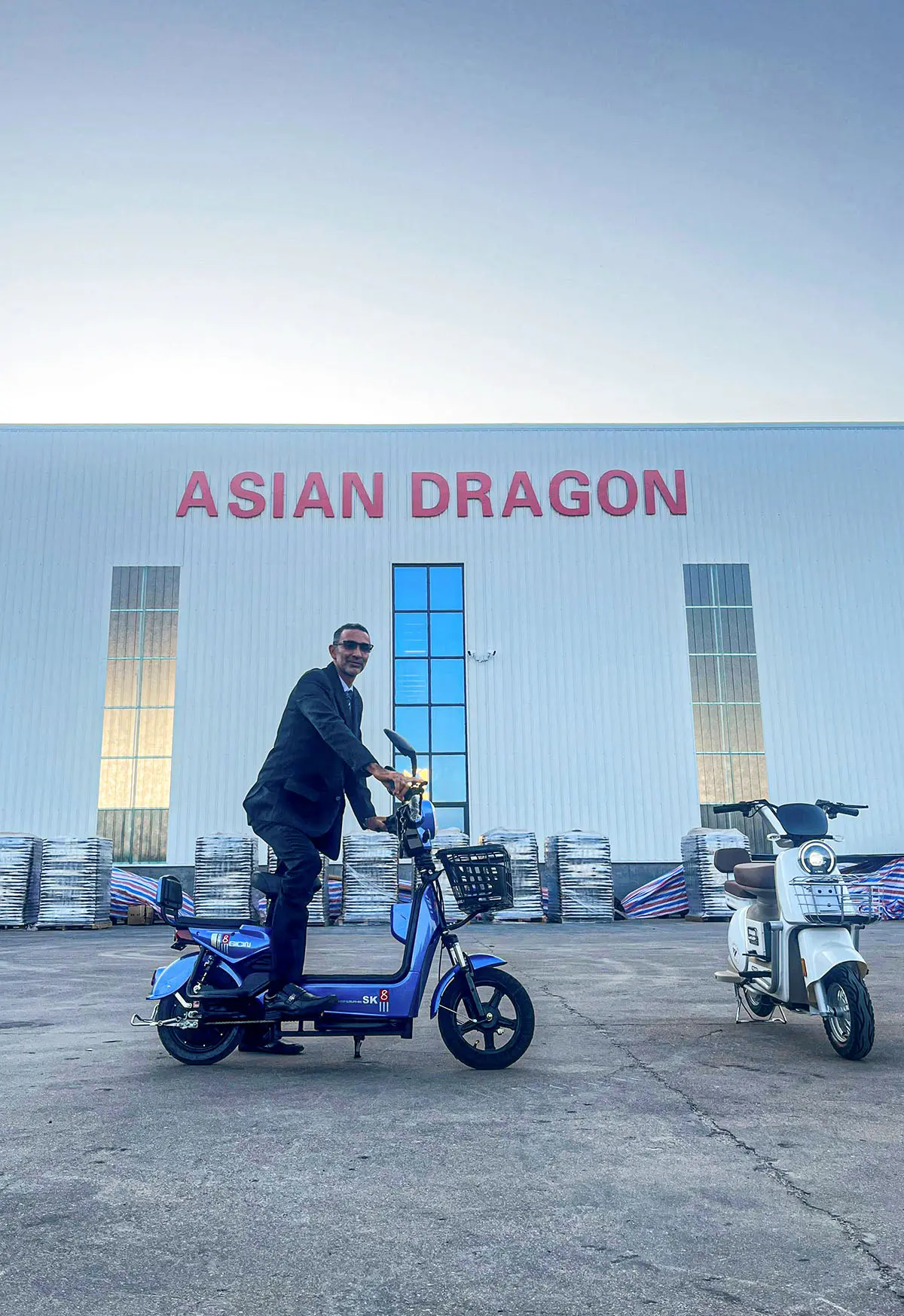
High speed, robust suspension, designed for urban arterial transit and fashionable commuters.
Lightweight, modular, folding frame systems optimized for final-mile transits.
Integrated pedal assist systems designed to comply with global urban path regulations.
High stability cargo beds and weatherproof passenger cabins for logistics and families.
Essential FAQs to Streamline Import Logistics, Quality Control, and Supplier Negotiations
Explore Our Export-Oriented High Performance Electric Fleet
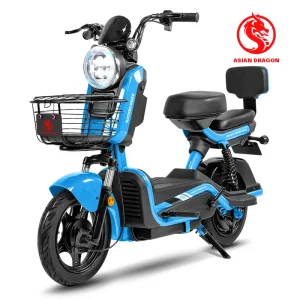
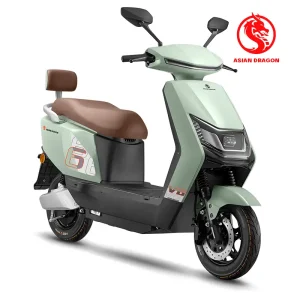
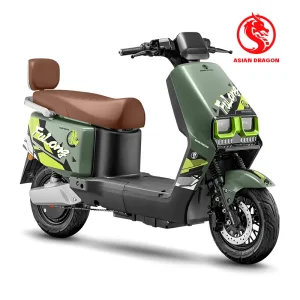
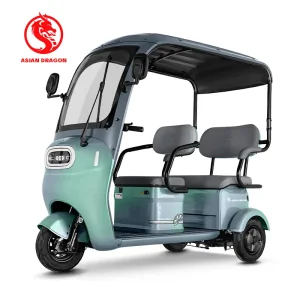
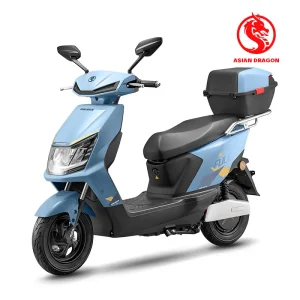
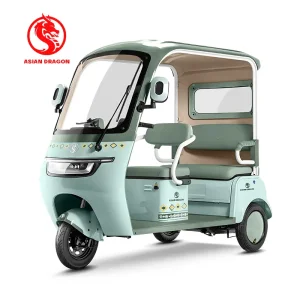
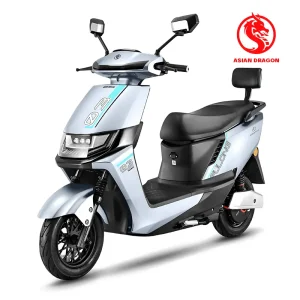
Top-tier production structures demand materials that provide durability and weight optimization. At Linyi Fulong New Energy Co., Ltd., we construct frames utilizing high-tensile carbon steel alloys and robotic TIG welding protocols. This ensures that every electric motorcycle and electric tricycle can endure continuous payload strains and structural vibrations without structural fatigue over years of deployment.
Our proprietary anti-corrosion coating process involves cathodic electrophoretic deposition (EPD) followed by a thermo-hardened powder topcoat. This ensures that our electric vehicles survive extreme maritime transit environments and high-salinity coastal operating climates without degradation, satisfying demanding global requirements.
As technology moves toward higher energy densities, our R&D department is collaborating with research institutions to test semi-solid-state lithium cells. This holds the potential to increase range capacities by up to 40% while maintaining the chassis dimensions. Additionally, we are planning the establishment of localized SKD assembly plants in strategic hubs in the Americas and Europe. This will drastically reduce shipping times and support distributors with rapid part replacements and direct regional engineering assistance.
 Asian Dragon