Direct sourcing options featuring cutting-edge battery management systems, premium frame builds, and certified power electronics.
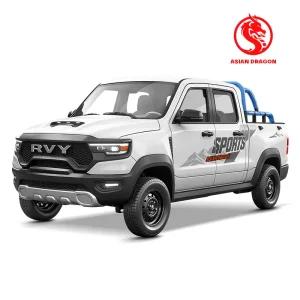
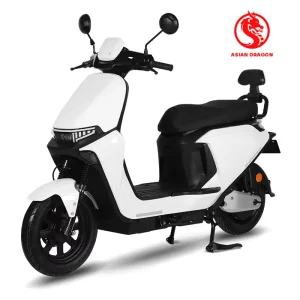
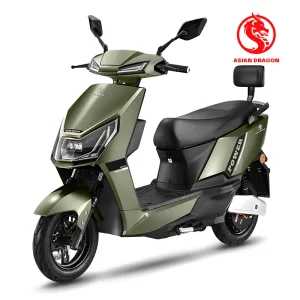
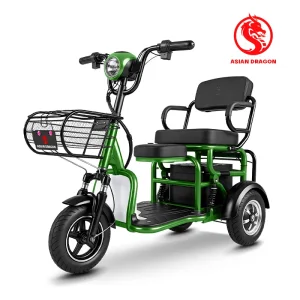
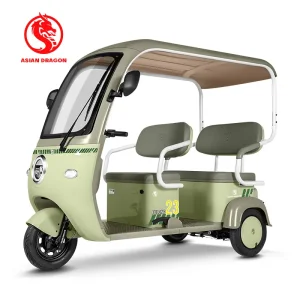
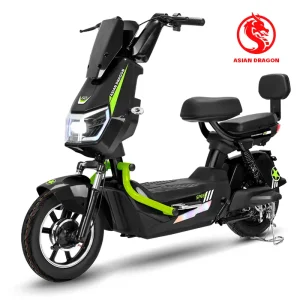
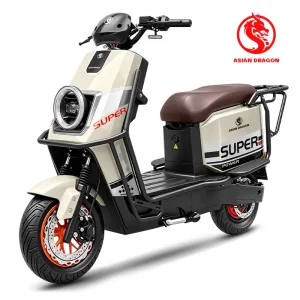
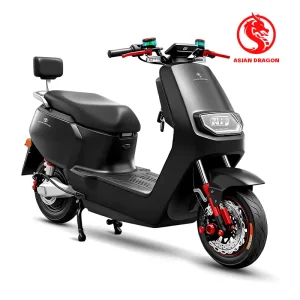
Analyzing global demand, supply chain dominance, and the critical regulatory framework governing battery exports.
The micro-mobility revolution has shifted from lead-acid legacy systems to high-energy-density Lithium-ion. With the European Union and North American cities demanding zero-emission targets, high-performing E-Scooter lithium batteries have become the primary focus of R&D. Supply chain centralization in mainland China enables advanced cell assembly, reliable chemical extraction, and cost-effective product packaging.
Global logistics regulations categorize lithium-ion batteries as Class 9 Dangerous Goods. B2B operators must guarantee international testing certifications, including UN38.3 (transportation safety), UL2271 (light electric vehicle battery compliance), EN 15194 (European electric bike standard), and CE/FCC marks. Sourcing from accredited Chinese manufacturers guarantees seamless customs clearance and minimized supply risks.
For B2B purchasers, understanding structural factors like battery chemistry, raw materials pricing (lithium carbonate index), and import tariff policies is vital to maintaining operational profit margins.
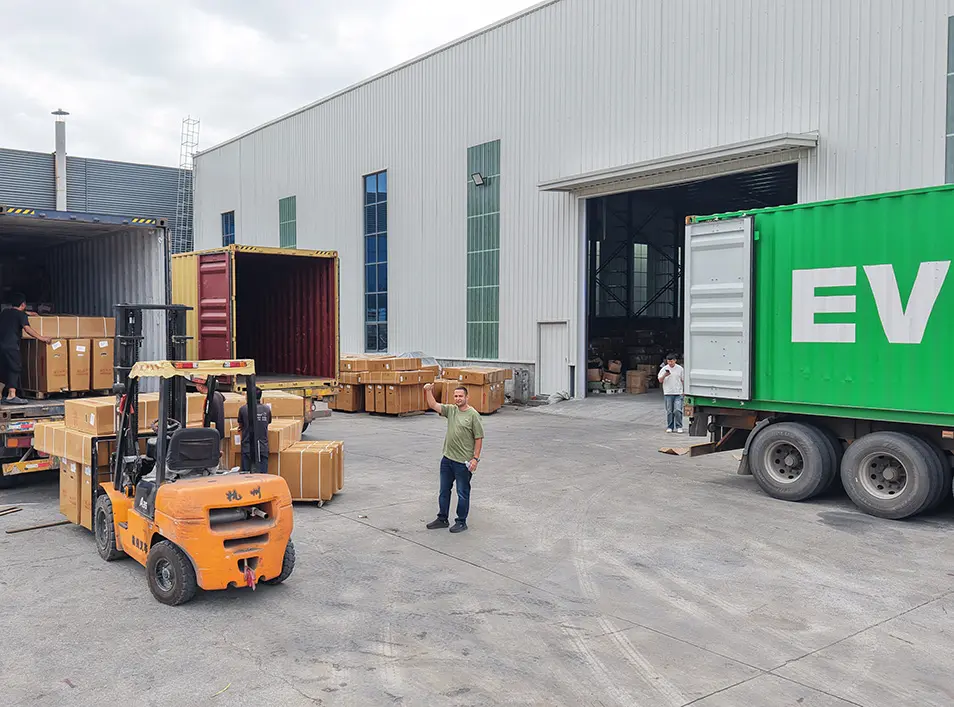
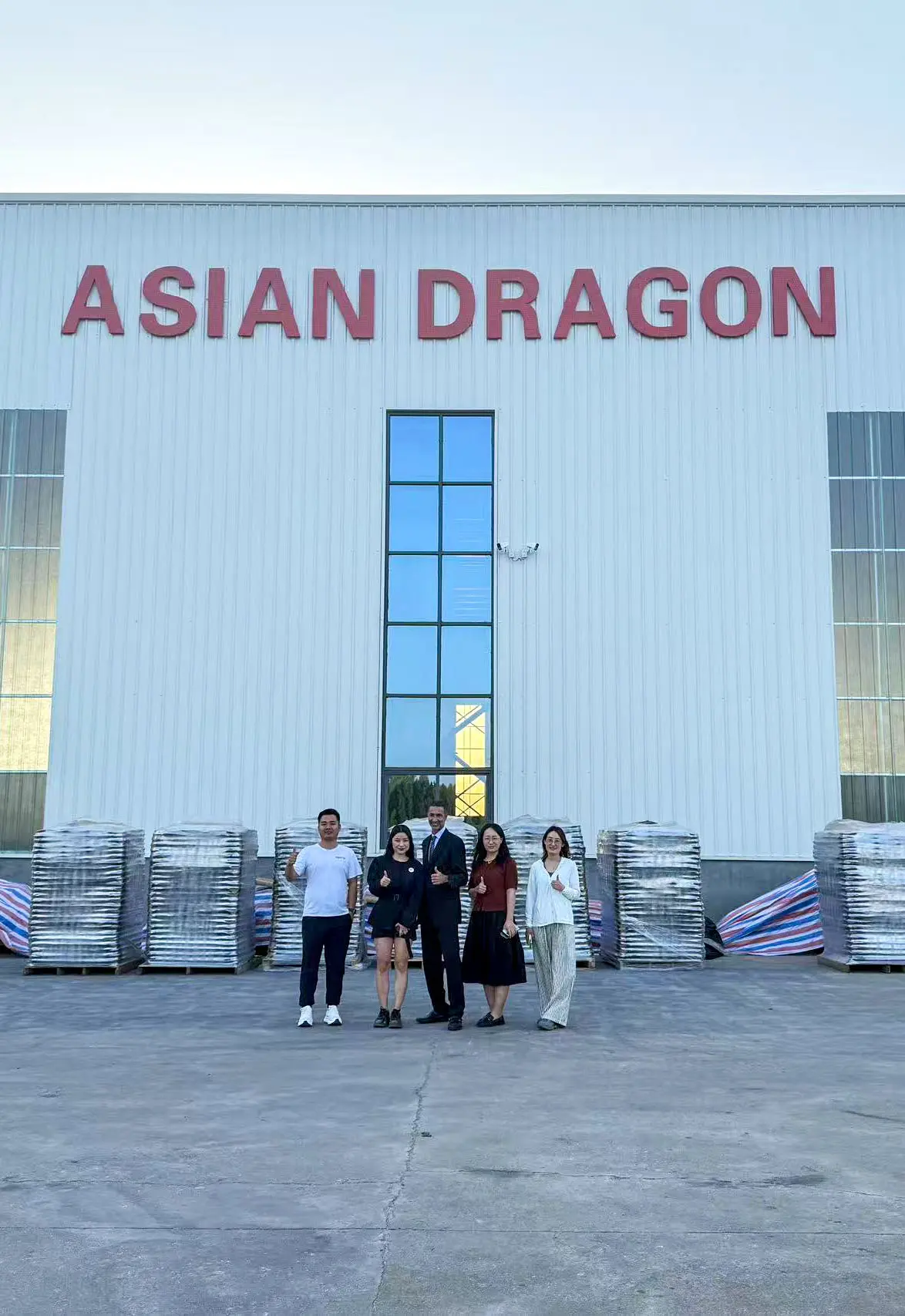
Linyi Fulong New Energy Co., Ltd. has developed into a comprehensive enterprise integrating the R&D, production, and sales of electric two-wheelers and three-wheelers, utilizing a complete and highly integrated industrial chain. Currently, our state-of-the-art facility has an annual production capacity exceeding 500 thousand units, with products sold to more than 90 countries and regions, enjoying widespread global recognition.
In the increasingly competitive international market, our operations always prioritize the core principles of "customer first, quality first". This core guide represents our commitment to customers and serves as the structural foundation of our sustainable development. By utilizing professional market research teams to analyze regional demands, we select premium-grade chemical components and implement strict incoming quality control (IQC) protocols.
A technical assessment of chemical platforms designed to match different performance requirements, thermal conditions, and cost parameters.
| Performance Metrics | Lithium Iron Phosphate (LFP) | Nickel Manganese Cobalt (NMC) |
|---|---|---|
| Energy Density (Wh/kg) | 120 - 160 Wh/kg Highly Durable | 200 - 260 Wh/kg Ultra-lightweight |
| Cycle Life (80% DoD) | 2,500 - 4,000 Cycles | 800 - 1,500 Cycles |
| Thermal Runaway Temp | ~270°C (High Thermal Stability) | ~210°C (Requires Advanced Active BMS) |
| Cold Temperature Capacity | Retains ~60% capacity at -20°C | Retains ~80% capacity at -20°C |
| Application Focus | Utility, Delivery Fleets, heavy Trikes | High-speed, long-range urban commuting |
LFP chemistry is highly suited for heavy-duty electric tricycle configurations, delivery fleets, and high-frequency usage profiles. Because LFP avoids using expensive cobalt, it is less vulnerable to global price fluctuations. Its primary mechanical benefit is lifecycle longevity: even after years of daily cycling, an LFP battery maintains reliable operating capacity.
For high-performance urban commuter scooters that prioritize range and hill-climbing capabilities, NMC batteries are often chosen. They offer high energy density, allowing manufacturers to fit high capacity (e.g., 60V 30Ah) into compact, lightweight under-step chassis designs, optimizing vehicle dynamics.
Exploring the hardware protections and communication protocols designed to secure battery operation and extend pack life.
Our Battery Management Systems (BMS) continuously track individual cell voltages, pack temperatures, and current flow. Built-in cell balancing equalizes state-of-charge variations, preventing premature pack degradation.
Hardware fuses provide short-circuit protection, while program settings handle over-voltage and low-voltage limits. Thermal probes are positioned within the pack to cut off current if temp limits are exceeded.
B2B fleet management relies on clean data integration. Our BMS structures utilize CAN-Bus or RS485 communication protocols, sending real-time SoC, SoH, and diagnostic error codes directly to the vehicle telemetry unit.
Custom setups designed to meet environmental challenges and transport needs worldwide.
Western urban centers focus on long-range performance, high-speed climbing capability, and strict compliance with local regulations. Our NMC battery options are built to handle standard residential chargers while meeting rigorous safety certifications.
Heavy usage in courier operations requires batteries that support high payload limits, quick-swap setups, and consistent operation in hot, humid climates. LFP options with reinforced casings help reduce operational wear.
Operating lithium batteries in temperatures below 0°C can result in energy capacity drops. Our winter-adapted packs include localized thermal insulation wraps and internal heating elements to maintain performance in cold regions.
Customized designs based on user demographics, making it easy to find the perfect fit. Commuters get matched with long-lasting batteries, families with children find roomier seats, and short-distance riders have lightweight options available.
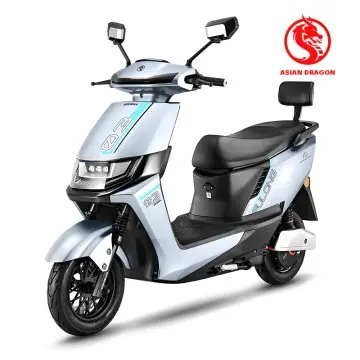
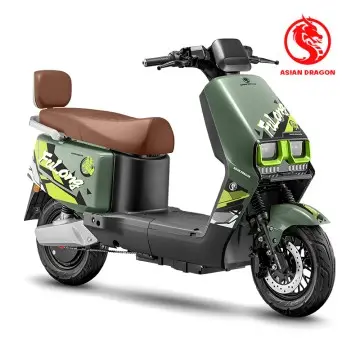
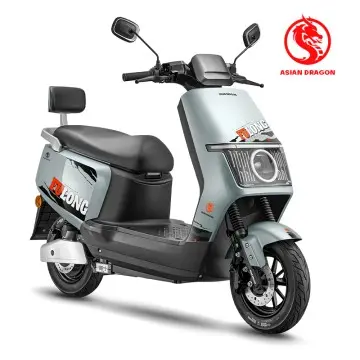

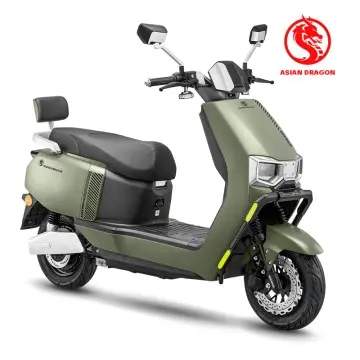
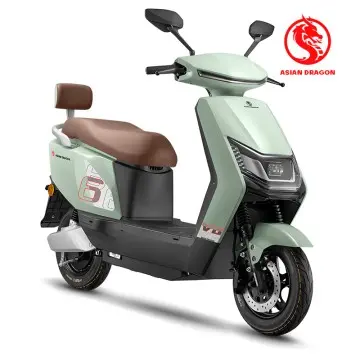
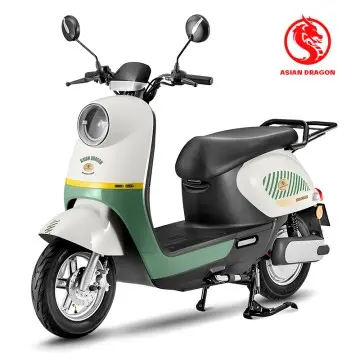
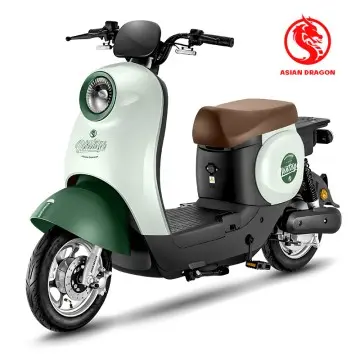
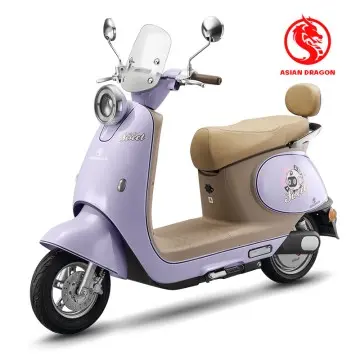
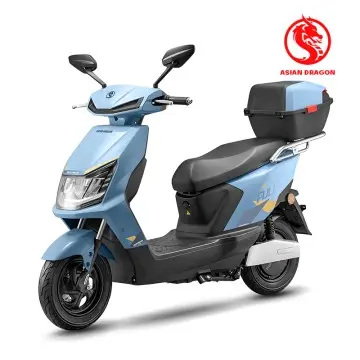
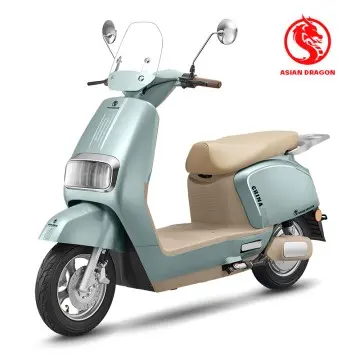
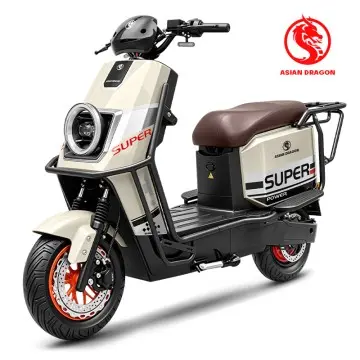
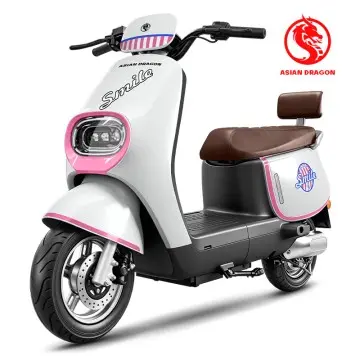
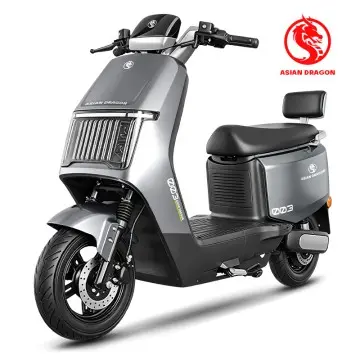
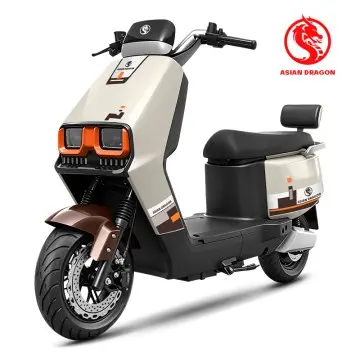
A look at the factory design systems, custom configuration options, and quality control processes supporting our global clients.
At Linyi Fulong New Energy Co., Ltd., we combine battery pack assembly with vehicle frame design. This integration allows our design teams to optimize physical fitment, route wiring harnesses to prevent high-vibration wear, and position safety fuses near high-voltage nodes. Our testing process checks every batch of cells for voltage drift and internal resistance parameters before assembly.
By sourcing raw materials from verified vendors and performing vibration, thermal-shock, and salt-spray testing, we help partners reduce the risk of field failures, supporting long-term brand reputation.
We build structural enclosures in materials ranging from ABS plastic to aluminum alloy wraps. This flexibility allows us to accommodate custom voltage systems (including 36V, 48V, 60V, and 72V configurations) and varied capacity requirements.
Every battery pack undergoes automated aging tests, involving multiple full charge and discharge cycles. We track discharge curves and monitor thermal footprints to verify consistency before packing and shipping.
Reviewing our R&D team's focus on next-generation energy storage platforms and manufacturing process improvements.
Our research team is evaluating solid-state battery structures. By replacing liquid electrolytes with solid alternatives, we aim to reduce thermal risks while increasing overall energy density.
To address rising lithium costs, we are developing Sodium-ion battery options for light commuting vehicles. Sodium-ion performs reliably in extreme cold and offers a cost-effective alternative.
We are working to improve the recyclability of our battery packs. Designing for easier disassembly simplifies the extraction and recycling of copper, aluminum, and chemical materials at end-of-life.
Answering key questions about specifications, logistics, customization, and safety compliance for lithium battery imports.
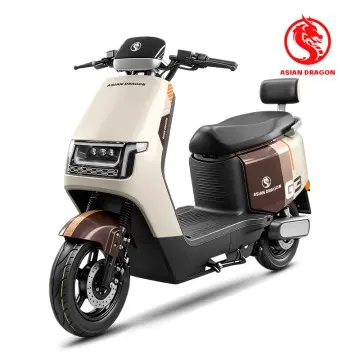
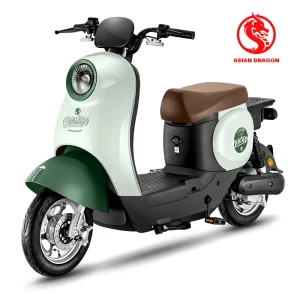
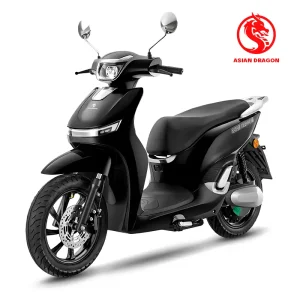
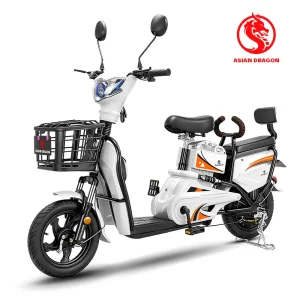
Sourcing solutions built with matched lithium-ion systems, durable drivetrains, and quality electronic speed controllers.
 Asian Dragon