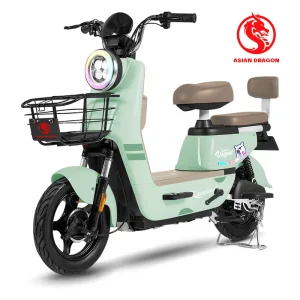
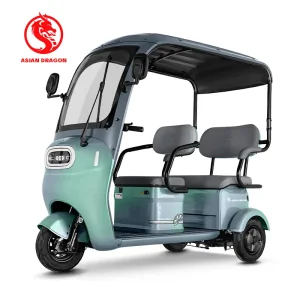
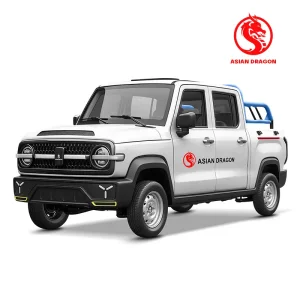
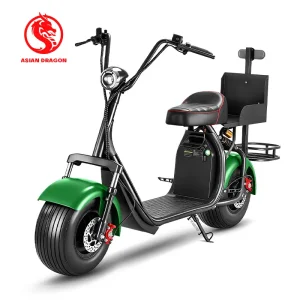
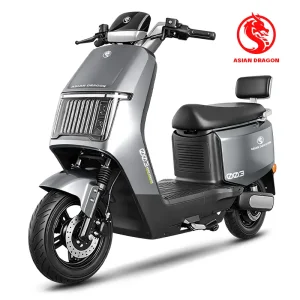
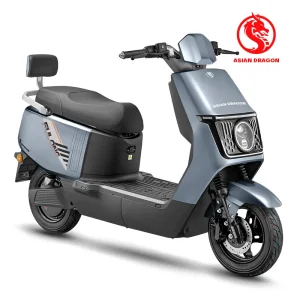
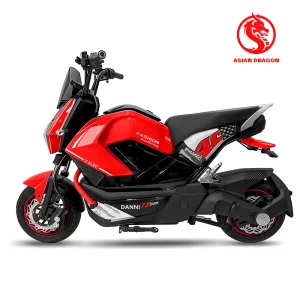
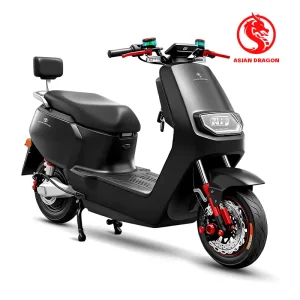
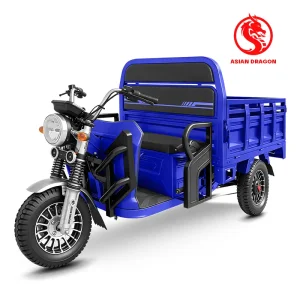
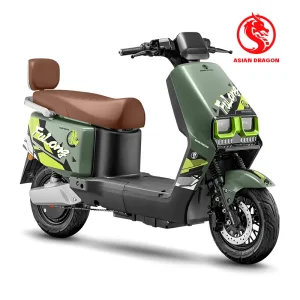
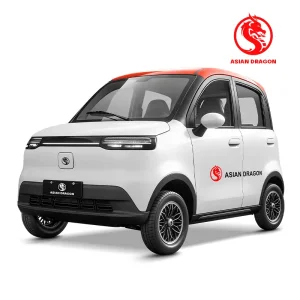
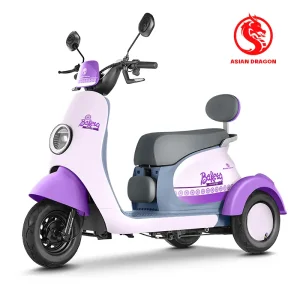
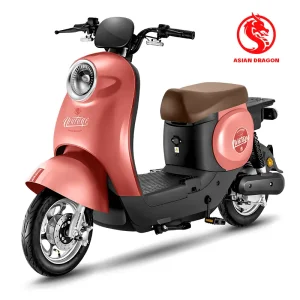
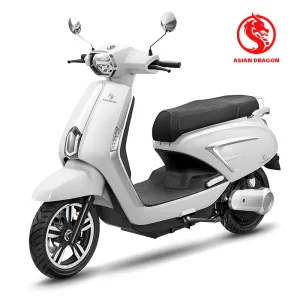
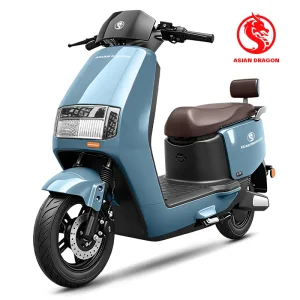
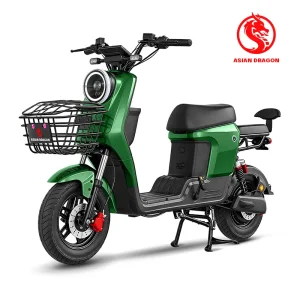
Premium OEM/ODM electric motorcycles, tricycles, and scooters customized for cross-border export. Top-tier engineering engineered for modern urban landscapes.
A comprehensive analysis of China's dominance in the micro-mobility sector and manufacturing standards.
The global transition toward electrification in urban transit has escalated the demand for high-efficiency Electric Bikes, E-Scooters, and Electric Motorcycles. Sourcing officers and B2B distributors seeking an optimized procurement channel must evaluate suppliers using systemic benchmarks. These include structural integrity, supply chain redundancy, battery safety integration, and localized regulatory compliance. China is the epicenter of global electric two-wheeler production, commanding over 80% of the world's supply chain capacity. This is achieved through raw material proximity, technological clustering, and massive manufacturing ecosystems.
As a leading supplier in this market, Linyi Fulong New Energy Co., Ltd. exemplifies how modern smart manufacturing satisfies international B2B requirements. Sourcing high-quality E-Bikes requires evaluating motor performance, controller efficiency, and battery thermal management. Suppliers must balance cost efficiency with long-term mechanical reliability.
Each chassis undergoes dynamic stress testing to withstand 100,000 load cycles. Vibration tables evaluate frame welds for potential micro-fissures, while environmental chambers simulate sub-zero charging profiles and high-humidity operational conditions. This guarantees durability in diverse global climates.
We provide OEM and ODM adjustments to match national regulations. Our services cover motor power limiting (e.g., 250W restrictions in Europe), speed capping, throttle overrides, and customized integrated lighting systems that meet local highway safety requirements.
Our infrastructure supports scalable assembly configurations, ranging from completely knocked down (CKD) kits that minimize import tariffs, to semi-knocked down (SKD) shipments optimized for local workshops and rapid product deployment.
10Years
Production Experience
20,000㎡
Factory Coverage Area
15+
Professional Employees
500,000+
Annual Capacity (Units)
90+
Export Countries
Combining complete vertical integration with a customer-centric focus to deliver consistent product quality.
Linyi Fulong New Energy Co., Ltd. has developed into a comprehensive enterprise integrating the R&D, production, and sales of electric two-wheelers and three-wheelers, with a complete industrial chain. Our annual production capacity exceeds 500,000 units, and our products are sold to more than 90 countries and regions, earning widespread market recognition.
We operate under the core principles of "customer first, quality first". This focus guides our selection of high-quality raw material suppliers and informs our strict raw material acceptance standards. We implement automated production lines and advanced testing systems to ensure that every stage of production meets international compliance and quality control standards.
Customizing electric vehicles to meet the operational demands, terrains, and regulatory systems of different regions.
Fashionable and Efficient Transportation. Tailored for urban arterial transit and longer commutes with 48V-72V high-capacity configurations.
Fashion-forward and Fast Commuting Options. Ideal for dense, traffic-heavy metropolitan areas requiring quick acceleration and agile handling.
Light and Convenient Transportation Tool. Designed for zero-emission daily commuting, combining pedal-assist systems with responsive electric motors.
Vehicle for Group Travel and Commercial Cargo. Structured with reinforced high-tensile steel frames for reliable logistics and cargo transportation.
Our "Precision Matching" design philosophy ensures that product designs are tailored to specific user demographics. By aligning layouts with regional demands, we create practical transportation tools for various consumer groups:
Our focus on developing durable, high-efficiency, and smart micro-mobility technology.
We are transitioning from lead-acid batteries to high energy density Lithium Iron Phosphate (LiFePO4) and Sodium-ion battery packs. Integrated Smart Battery Management Systems (BMS) monitor cell temperature, voltage balance, and discharge rates to prevent thermal runaway and extend battery service life.
We are refining brushless DC hub motors and mid-drive configurations to achieve up to 92% efficiency. By optimizing magnetic steel winding density and minimizing copper loss, our motors maintain peak torque under sustained load conditions.
Our new product ranges feature IoT telematics, mobile application diagnostic links, GPS tracking, and Over-The-Air (OTA) firmware updates. These digital layers enable fleet operators to monitor battery health and perform remote diagnostics.
How China's industrial clustering allows us to maintain consistent quality and cost control.
The core strength of a Chinese electric bike manufacturer lies in the depth of its local industrial cluster. In Linyi, Shandong, we operate within a comprehensive ecosystem of sub-tier suppliers. This local network provides direct access to steel processing, rubber molding, and precision controller assembly. This structural clustering minimizes internal logistics costs and secures our material pipeline during global logistics disruptions.
Furthermore, our integrated production lines handle cutting, robotic welding, electrostatic powder coating, and final drivetrain assembly in-house. This complete vertical integration keeps manufacturing overhead manageable and ensures that every stage of assembly is subjected to our unified quality control standards.
Ensuring compliance with international standards and providing comprehensive documentation for seamless importing.
Navigating different international regulatory standards is a critical step in the import process. Linyi Fulong works closely with global certification bodies to verify our product designs for target markets:
To support our distribution partners, we supply comprehensive user manuals, detailed electrical wiring diagrams, and troubleshooting guidelines. We also include a standard allocation of wear-and-tear parts (such as brake pads, lighting clusters, and switches) with bulk shipments to assist with local service operations.
Answering common questions about electrical engineering, custom options, and logistics management.
System voltage directly affects maximum speed, acceleration torque, and overall powertrain efficiency. A 48V system is well-suited for lightweight urban commutes and pedal-assist E-Bikes, balancing weight and range. 60V and 72V systems are designed for heavy-duty electric motorcycles and commercial cargo trikes. Higher voltages reduce current draw for the same power output, which decreases heat buildup and extends component service life.
OEM/ODM development begins with specification matching, where we define dimensions, frame designs, and power requirements. 3D modeling and initial CAD designs take 10 to 15 days. Once design files are approved, we build a physical prototype within 30 days for electrical, vibration, and road-stress testing. Mass production typically takes 25 to 35 days after prototype sign-off and receipt of deposit, depending on order volume.
Our standard MOQ is a 20ft container, which typically holds 25 to 50 electric motorcycles depending on assembly state (CKD vs. SKD). Sourcing in full containers (FCL) reduces shipping costs and protects the vehicles from damage during transit. We wrap each vehicle in bubble wrap and secure it within a heavy-duty cardboard outer carton reinforced with an internal steel frame.
Hydraulic damping mitigates the impact forces transferred from uneven road surfaces to the chassis frame and steering stem. This shock absorption reduces fatigue wear on weld joints, protects delicate electrical components (like controllers and sensors) from vibration damage, and improves rider safety and control on rough roads.
Lithium Iron Phosphate (LFP) performs well in moderate climates and offers long cycle life (often exceeding 2,000 cycles at 80% DoD). However, in cold regions where winter temperatures drop below 0°C (32°F), Sodium-ion batteries are a strong alternative. Sodium-ion chemistry maintains over 80% of its usable capacity at -20°C, providing reliable starting power and consistent range in winter conditions.
We provide a 12-month structural warranty on core components, including the frame chassis, motor, and battery packs. If quality defects occur during the warranty period, we supply replacement parts. To help partners manage warranty claims locally, we also include a 1% to 2% spare parts kit with every container shipment.
Reliable cargo trikes, commuter scooters, and high-performance utility electric vehicles designed for export markets.
 Asian Dragon