Explore our premium select range of electric motorcycles, scooters, trikes, and motor systems engineered for global distribution.
Deep Technical Insights on Drive Train Dynamics, Material Sourcing, and B2B Production Integration.
The global micromobility paradigm is undergoing a massive transformation, driven by an urgent need for sustainable carbon-neutral transit systems and high-efficiency last-mile delivery networks. At the heart of this revolution is the electric bike motor—a highly engineered powertrain component that translates stored electrochemical energy into mechanical torque with minimal thermal losses. To understand the competitive dynamics of sourcing from leading China Electric Bike Motor Manufacturers, B2B procurement officers and engineers must look beyond basic wattage ratings. Modern integration requires a comprehensive grasp of stator topology, magnetic flux characteristics, and thermal dissipation paths.
In the competitive landscape of light electric vehicle (LEV) production, the sourcing of motor units dictates both the price point and the target performance bracket. Chinese manufacturers have optimized the supply chain for key components—including high-coercivity Neodymium-Iron-Boron (NdFeB) permanent magnets, precision copper windings, and advanced Field-Oriented Control (FOC) system architectures. As global demands intensify for reliable, IP67 waterproof-rated hub and mid-drive motors, understanding the factory-level manufacturing processes, material standards, and OEM customization capabilities is the ultimate tool for achieving high information gain and securing long-term brand equity in regional markets.
Utilizing high-frequency electronic commutation instead of physical brushes to eliminate mechanical friction, dramatically reducing wear, noise, and maintenance costs while maximizing motor efficiency up to 88-92%.
Designed for optimal center-of-gravity placement and balance. Utilizes the bicycle’s internal gears for variable mechanical advantage, proving highly effective for climbing steep terrains and heavy-duty cargo transport.
Employing high-permeability silicon steel laminations to suppress eddy currents and hysteresis loss, alongside automated precise copper wire winding processes to achieve the highest slot-fill factor possible.
An in-depth breakdown of torque density, magnetic topologies, and drive efficiency.
When selecting an electric motor manufacturer, B2B procurement managers must cross-examine the motor’s electro-magnetic blueprint. The majority of e-bikes on the road today utilize Brushless DC (BLDC) Outer Rotor Hub Motors or Permanent Magnet Synchronous Motors (PMSM). In a hub configuration, the motor's outer shell acts as the rotor, spinning around a stationary axle which holds the stator. Outer rotor designs maximize the torque radius, delivering excellent low-RPM start-up torque without requiring reduction gears. This layout is highly reliable, cost-effective, and easy to service, making it the perfect choice for urban utility platforms.
Conversely, premium configurations requiring precise dynamic torque adjustments rely on Mid-Drive Systems. Mid-drive motors run at higher internal RPMs, which are stepped down through a planetary reduction gear assembly (commonly featuring robust nylon-fiber or sintered steel gears). By positioning the motor weight between the rider's pedals, the chassis experiences superior load balancing. The motor outputs force through the bicycle's drivetrain, meaning the motor operates continuously inside its optimal RPM band. This significantly improves thermal performance, increases range per watt-hour (Wh), and allows riders to utilize the gear cassette to climb grades up to 25%.
Advanced thermo-conductive potting compound is injected around the windings to bridge air gaps, routing heat directly to the exterior aluminum casing and protecting internal Hall sensors from thermal damage.
Dual-mode controllers monitor mechanical positions using high-temperature Hall-effect sensors. If a sensor fails, the firmware automatically switches to back-EMF mathematical state estimators for seamless operations.
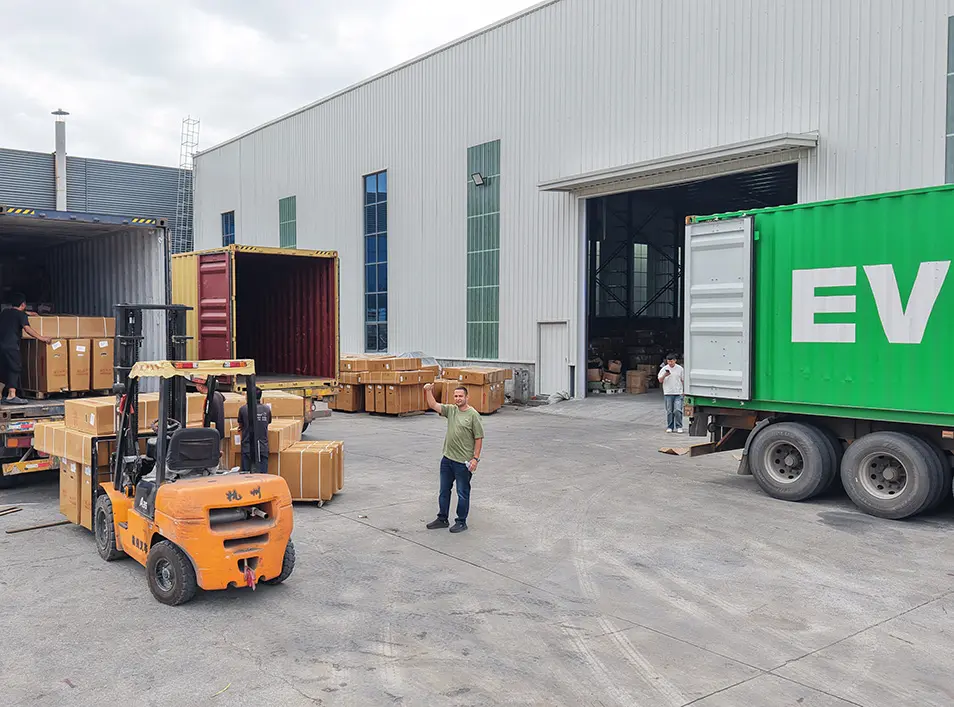
How raw material clusters, logistics networks, and skilled labor create a global cost and quality advantage.
China's dominance in the electric bike motor sector is built upon a highly optimized, vertically integrated industrial cluster ecosystem. Raw materials are the first pillar of this advantage. Neodymium magnets (NdFeB), which are critical for the efficiency and power output of modern brushless motors, are mined and processed predominantly within China. This local access insulates Chinese manufacturers from volatile international shipping and raw material tariff fluctuations, ensuring a stable cost basis for long-term production contracts. Moreover, local supply chains for high-purity copper wires and aluminum casting alloys minimize component transit times to zero.
The second pillar is manufacturing automation and testing infrastructure. At facilities like Linyi Fulong New Energy Co., Ltd., the integration of high-speed automatic stator winding machines, CNC machining centers for motor hubs, and automatic balancing machines ensures that every motor component is built to sub-millimeter tolerances. After assembly, every motor unit undergoes automated dyno-testing to verify its torque-speed curves, thermal characteristics, and power consumption profiles. This rigorous quality control system mitigates assembly errors, providing global distributors with product reliability they can trust.
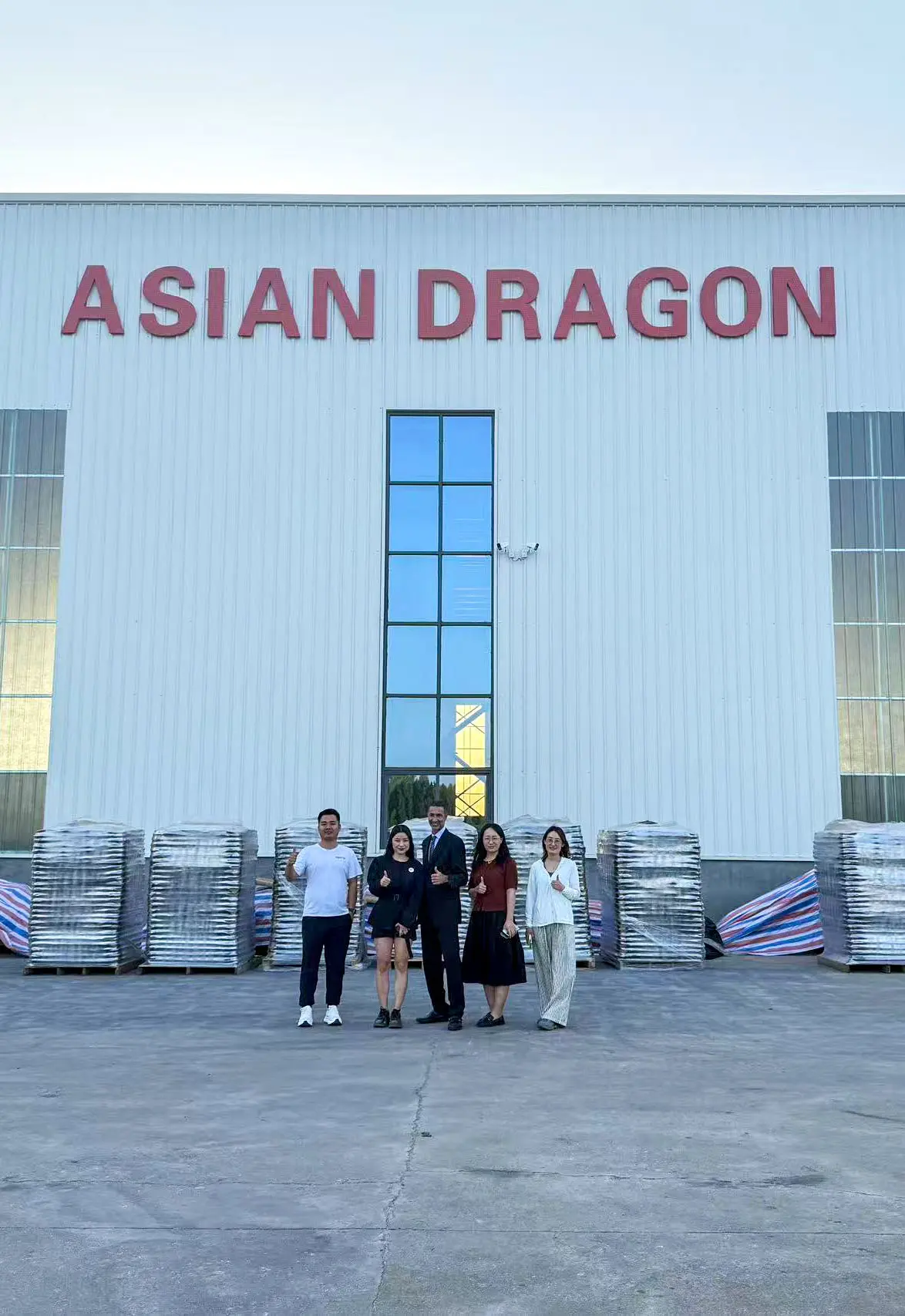
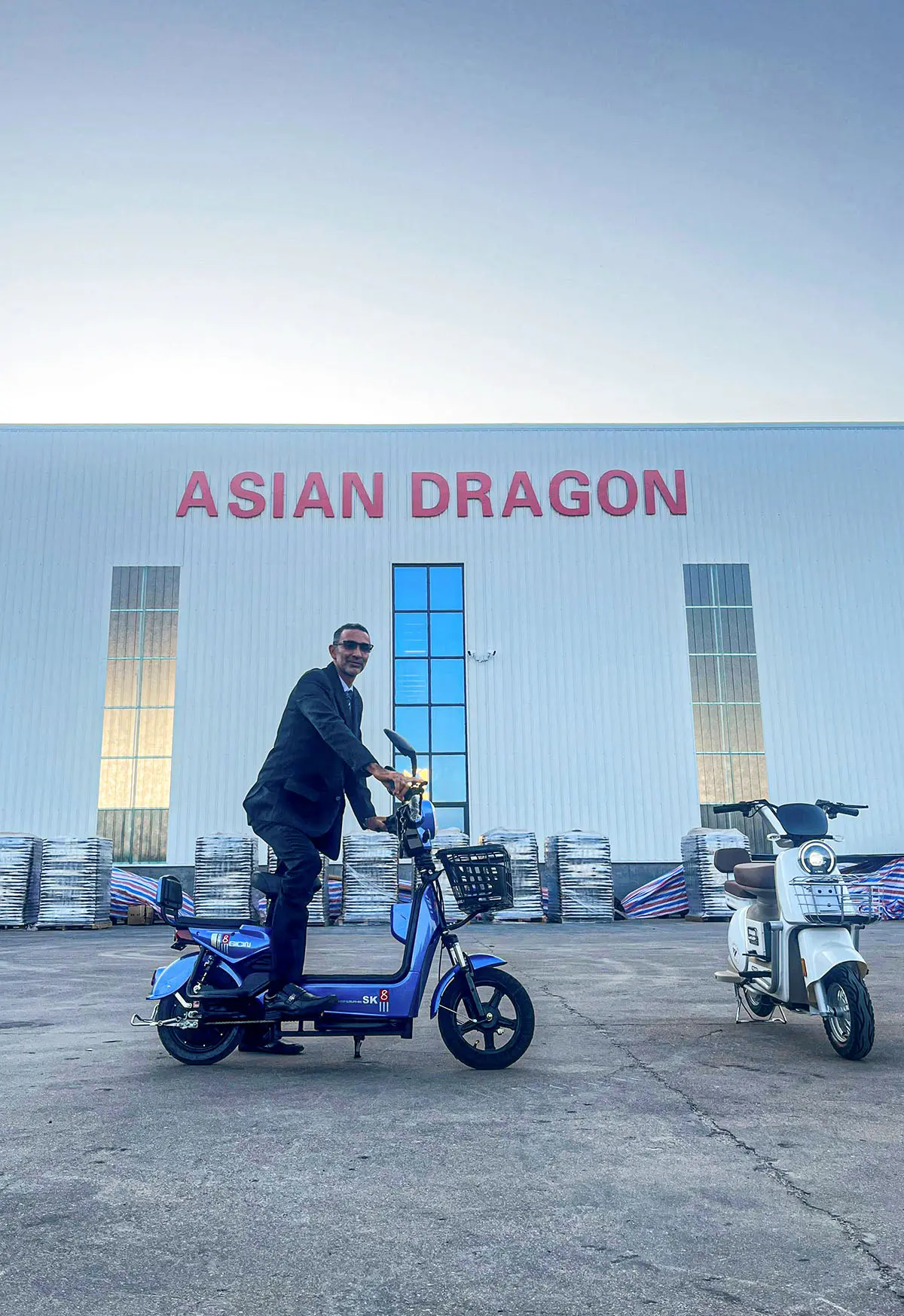
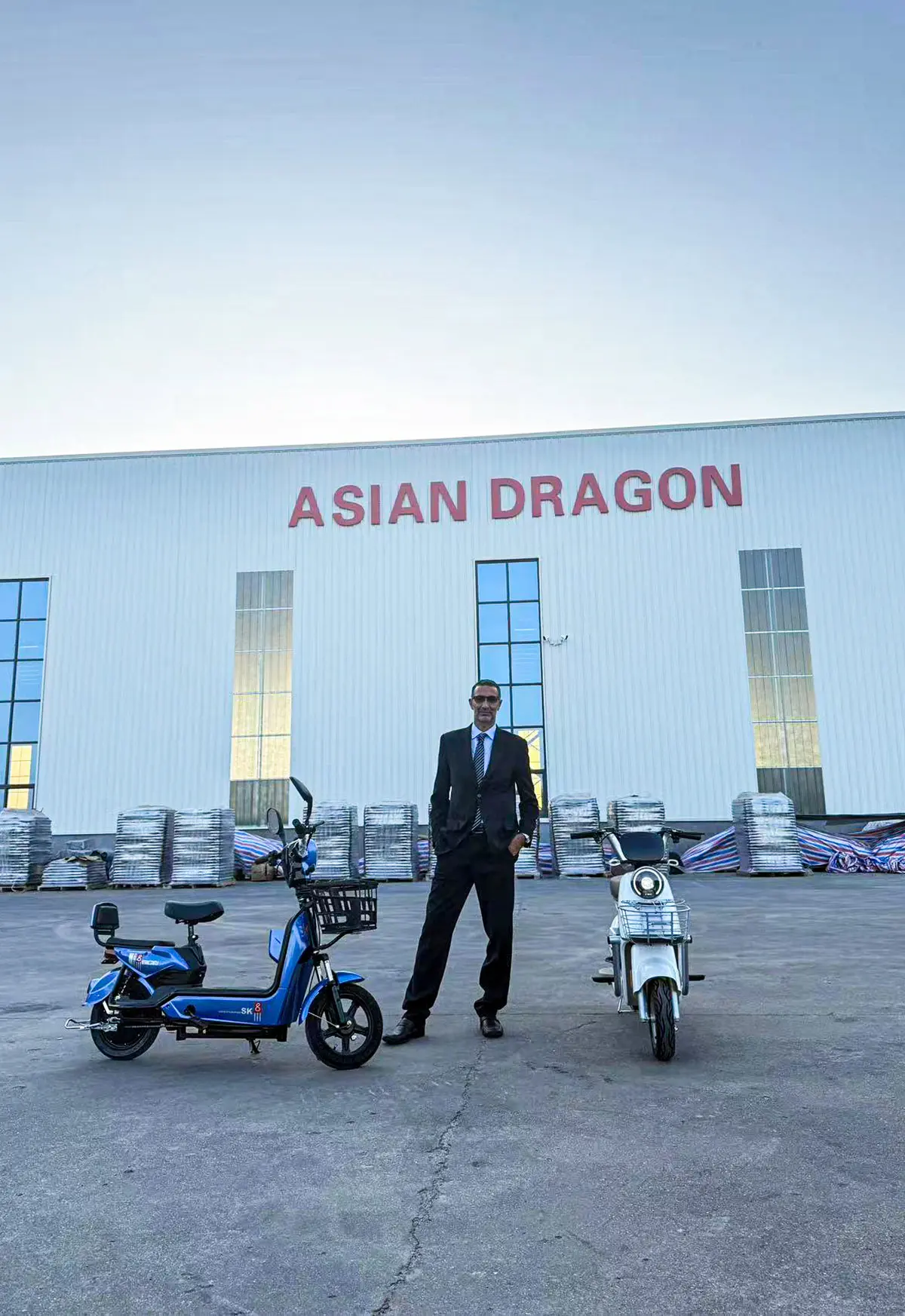
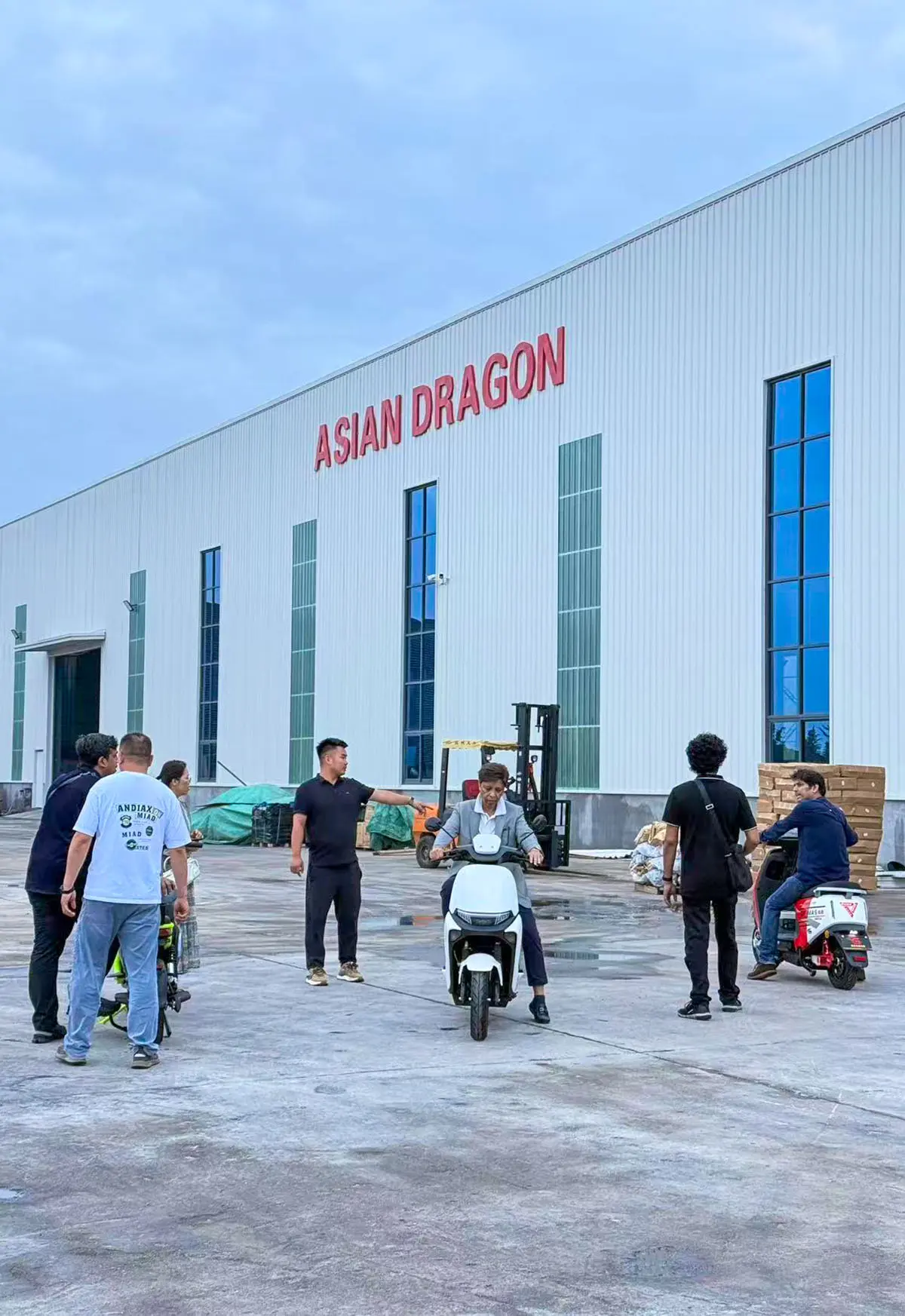
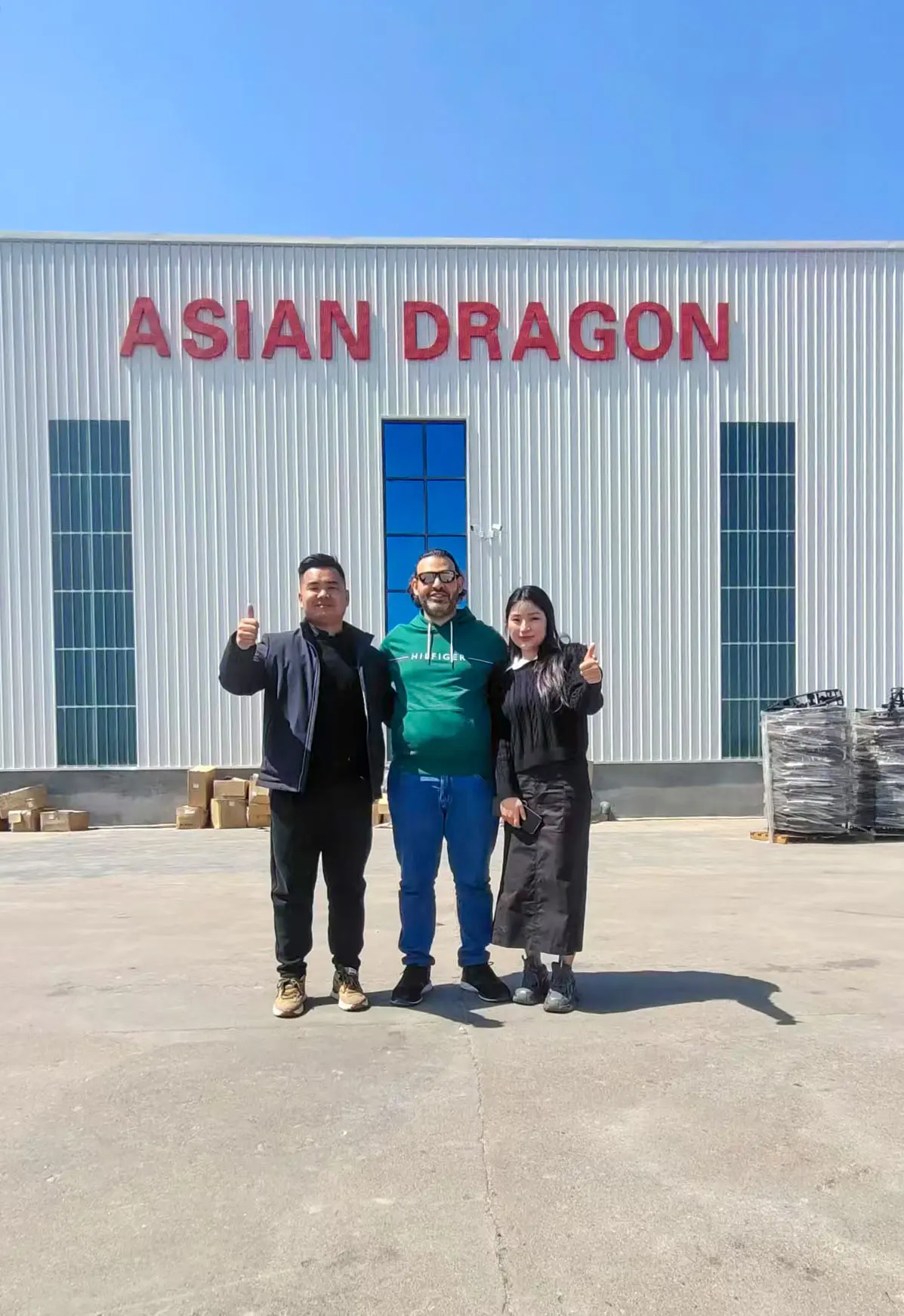
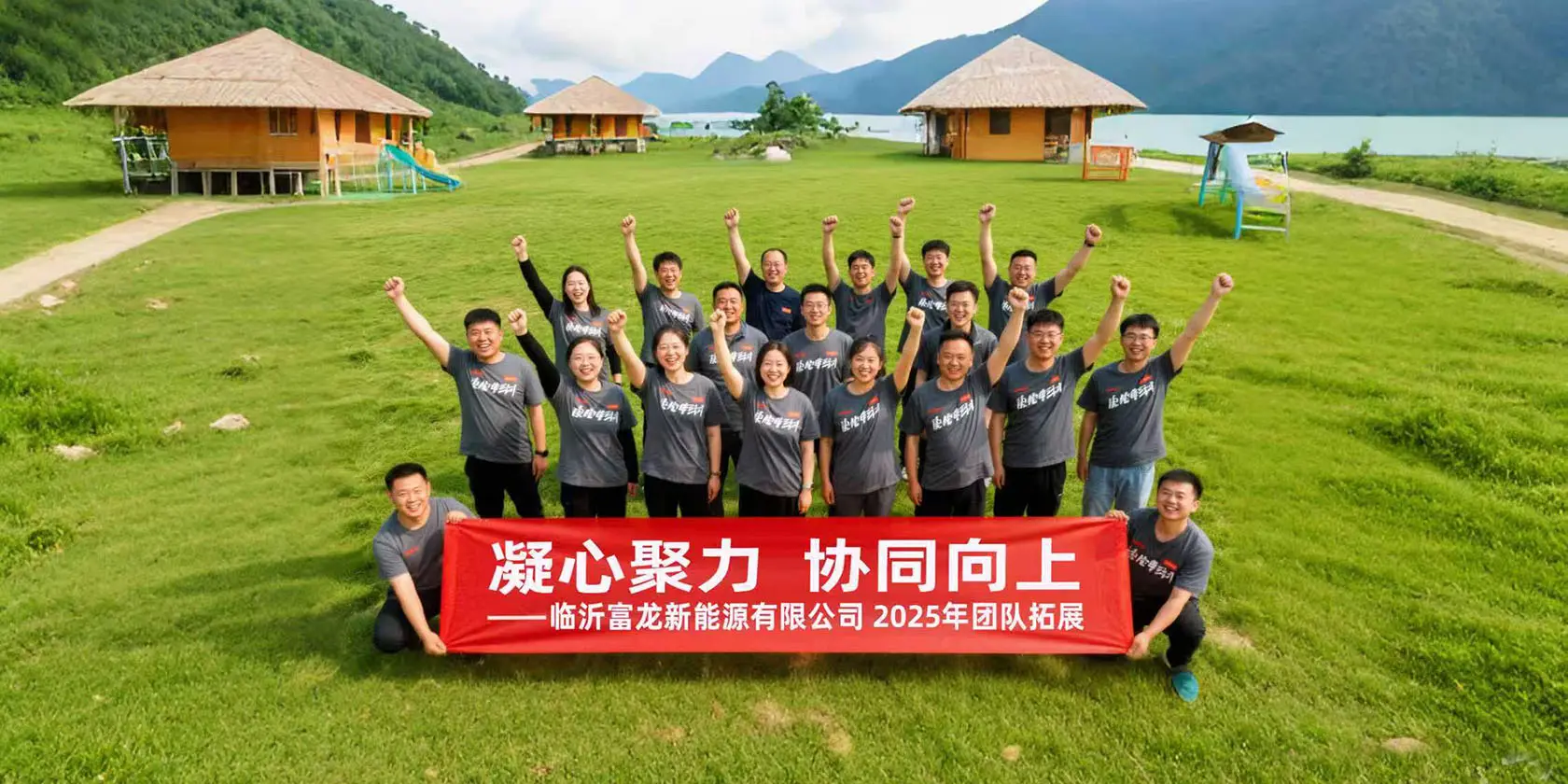
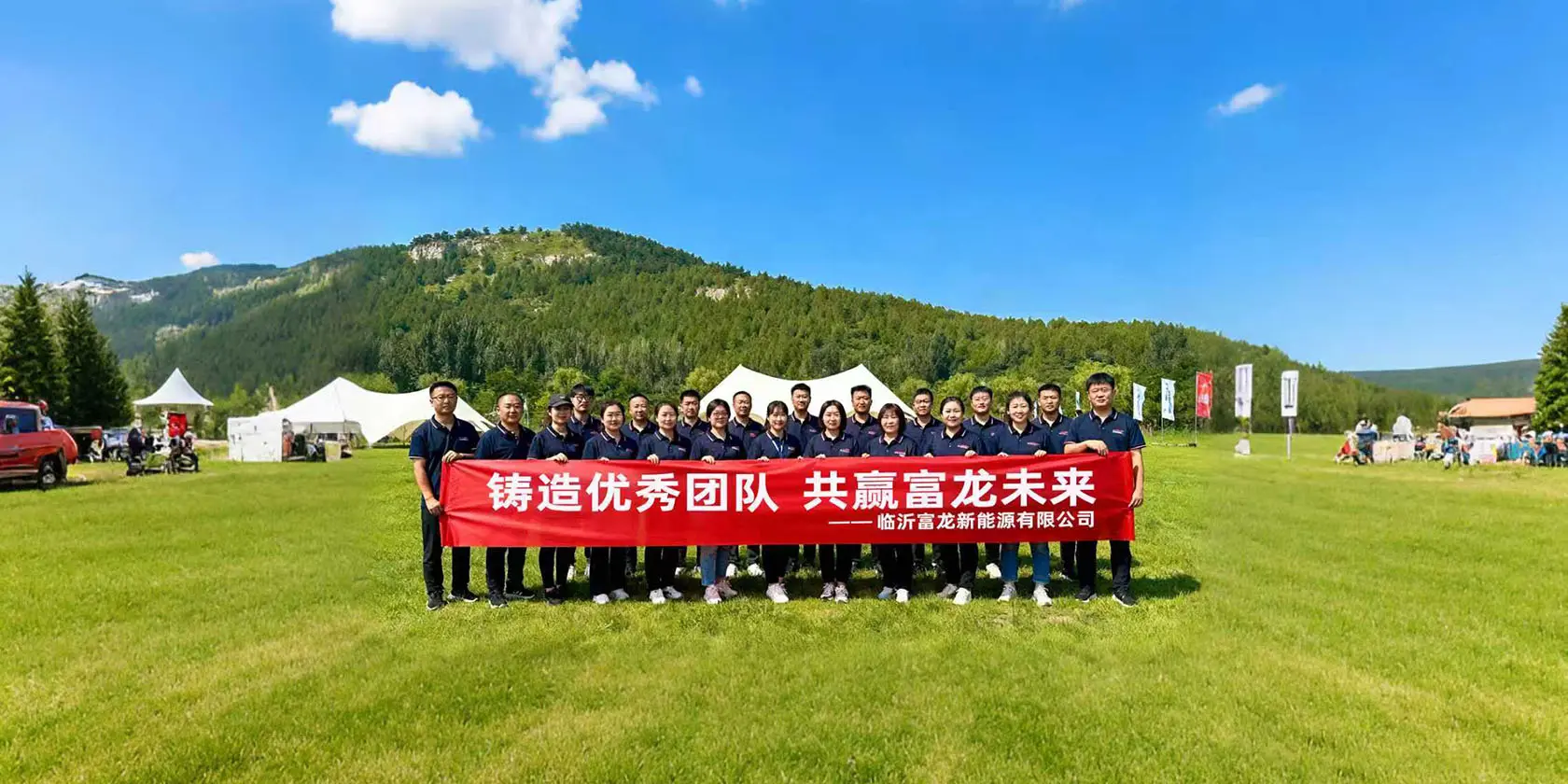
To fulfill this vision, Linyi Fulong New Energy Co., Ltd. continuously invests in advanced testing facilities and R&D personnel. This commitment helps us maintain a leading position in the industry, offering advanced drive dynamics and reliable electronics for all types of electric mobility platforms. By partnering with international research labs and auditing teams, we refine our engineering processes to keep pace with changing market dynamics.
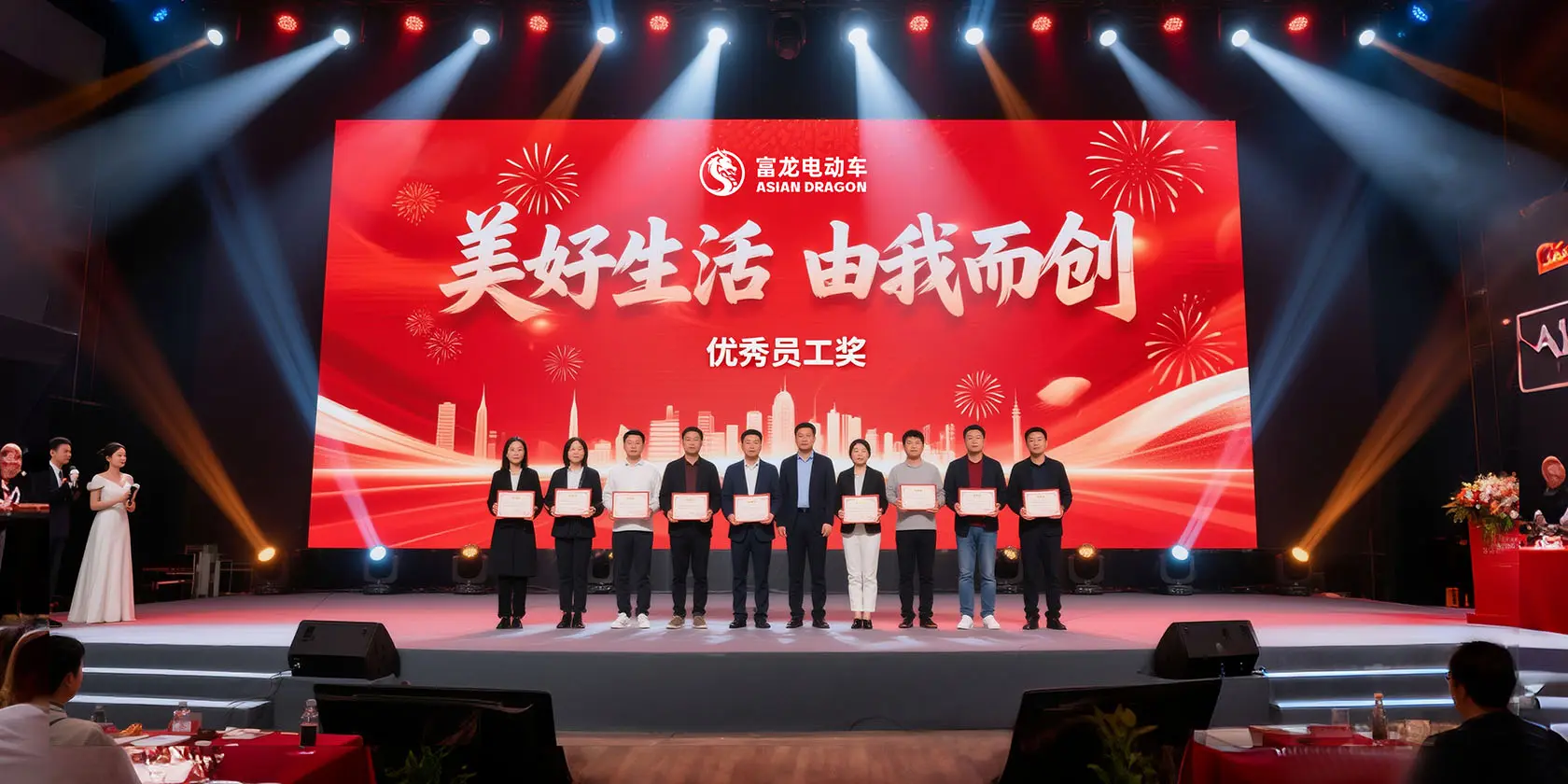
Ensuring roadworthiness, environmental safety, and structural integrity for global markets.
Navigating international market access requires compliance with strict safety regulations. In the European Union, electric power-assisted cycles (EPACs) must comply with the EN 15194 standard. This regulation dictates that the auxiliary motor has a maximum continuous rated power of 250W, with power output cut off when the bicycle reaches a speed of 25 km/h or when the rider stops pedaling. The testing procedures cover structural strength, electrical wiring safety, electromagnetic compatibility (EMC), and functional safety under the Machinery Directive.
In North America, the regulatory landscape focuses on battery and system electrical safety to prevent fire hazards. UL 2849 certification provides electrical system safety standards for e-bikes, covering the entire charging and drive system, including the motor, controller, battery, and charger. Working with a certified manufacturer like Linyi Fulong, who respects these international standards, ensures that B2B clients avoid costly customs hold-ups, import liabilities, or product recalls.
Compliance with electrical wiring, safety features, mechanical endurance, and functional cut-off protocols for EU roadworthiness.
Comprehensive evaluation of e-bike electrical drivetrains to minimize hazards from fire, shock, and mechanical failure.
High-grade sealing processes that protect motors against dust and water ingress, ensuring reliable performance in wet weather.
Engineered products matching specific customer needs across diverse urban ecosystems.
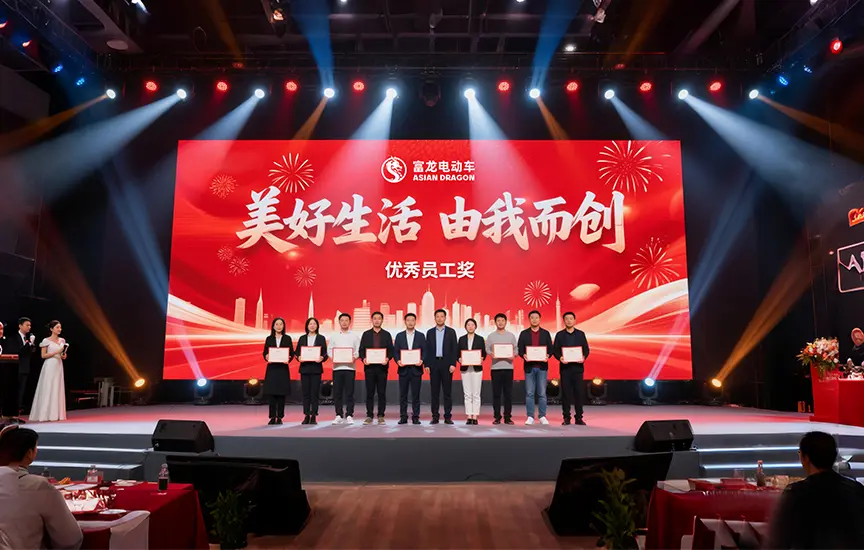
Our precision matching program provides customized designs based on user demographics, making it easy to find the perfect fit. Commuters get matched with long-lasting batteries, families with children find roomier seats, and short-distance commuters have lightweight options available, ensuring everyone finds their ideal and practical electric bike.
High torque output, customizable speed profiles, and robust mechanical structures built for off-road and high-speed excursions.
Affordable, low-maintenance urban commuters featuring smart anti-theft sensors and optimized battery efficiency.
Modern aesthetic designs featuring custom powder coatings, integrated LED lighting arrays, and app connectivity.
Highly efficient hub motors with regenerative braking systems to extend battery range through typical city grid commutes.
Developing robust supply chain structures for long-term distributor partnerships.
B2B buyers face unique logistical challenges, from navigating changing import tariffs to managing long maritime transit times. To mitigate these risks, partnering with a supplier that offers flexible OEM and ODM manufacturing configurations is crucial. Standardized drive housings allow distributors to swap out internal stators and controllers to comply with local speed and power regulations, minimizing custom tooling costs. For example, a single chassis design can serve as a 250W EPAC in Germany or a 750W Class 3 e-bike in the United States, simply by changing the motor windings and controller programming.
Furthermore, supply chain transparency is essential for reducing import liabilities. Leading manufacturers maintain clear records of material sourcing, sub-component audits, and electrical certifications. Establishing strict testing standards at the factory floor—such as automated insulation resistance tests and load dyno checks—reduces the risk of receiving defective shipments. This quality-focused approach helps B2B buyers maintain operational efficiency and build strong customer trust in their target markets.
Essential answers to technical and commercial questions regarding electric bike motor sourcing.
Premium options for global distributors, shipping worldwide from our advanced manufacturing facility.
 Asian Dragon
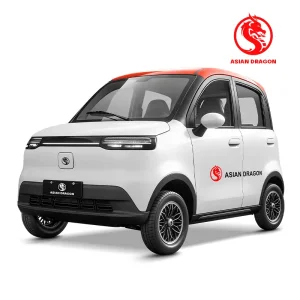
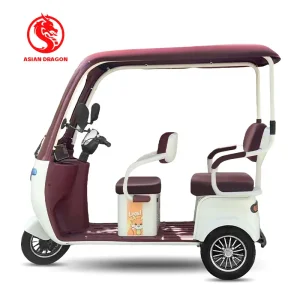
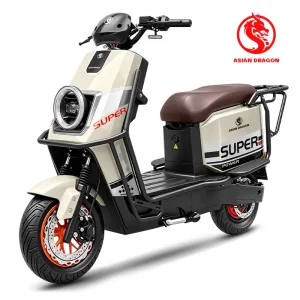
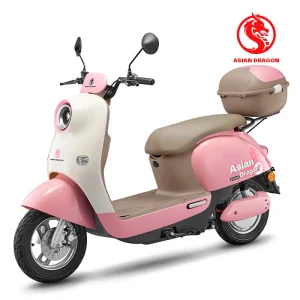
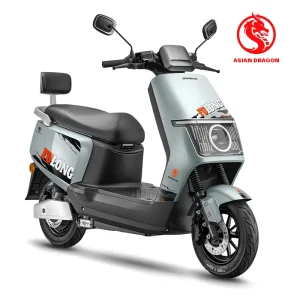
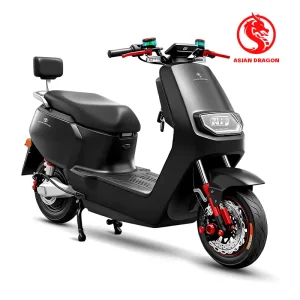
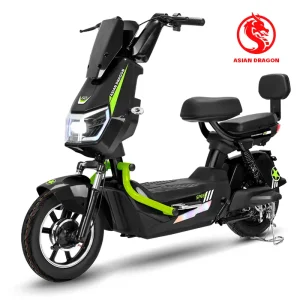
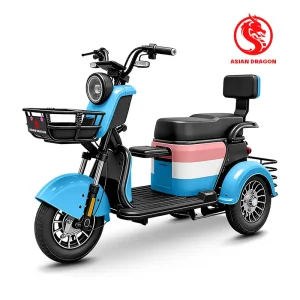
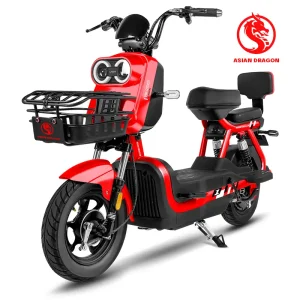
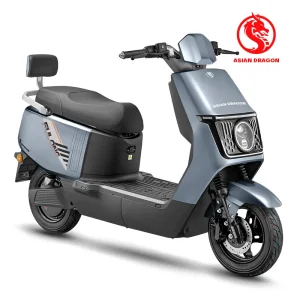
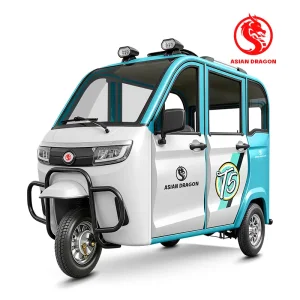
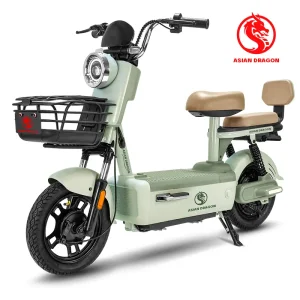
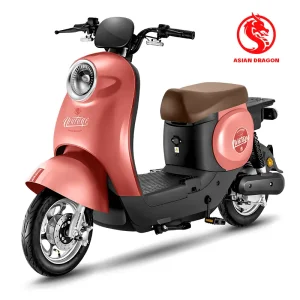
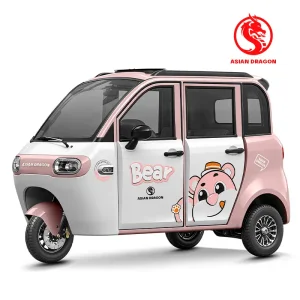
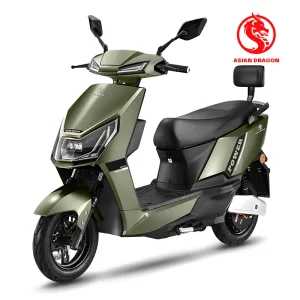
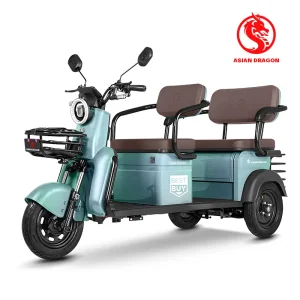
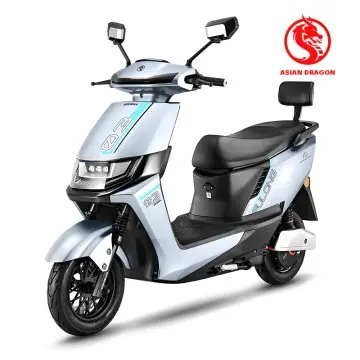 Robot Model 48V Electric Motorcycle
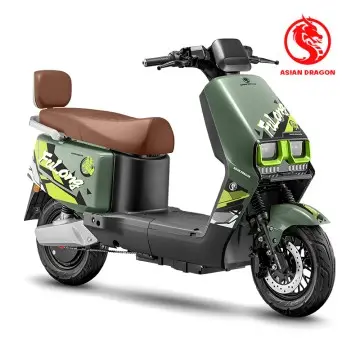 Little Chitu Model 48V Electric Motorcycle
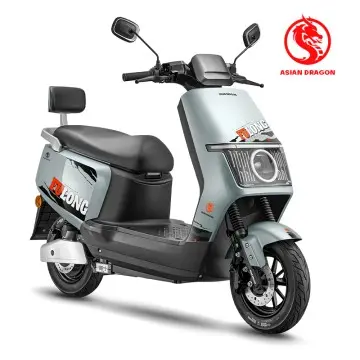 Diniu II Export 48V Electric Motorcycle
 Diniu Model Export 48V Electric Motorcycle
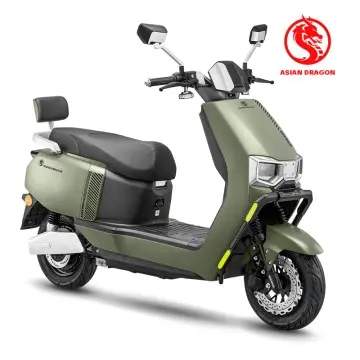 Jinpai Niu Model Export 48V Electric Motorcycle
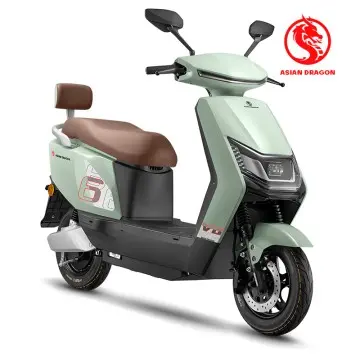 Second-generation robot model electric motorcycle
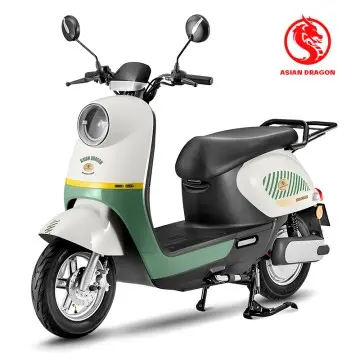 Xindonggui III Export Version 48V Electric Motorcycle
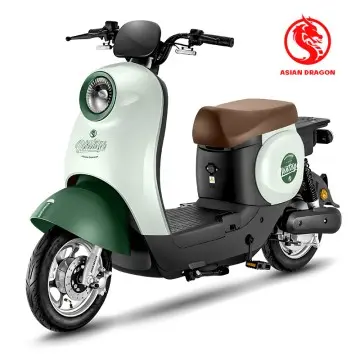 Xindonggui II Export Version 48V Electric Motorcycle
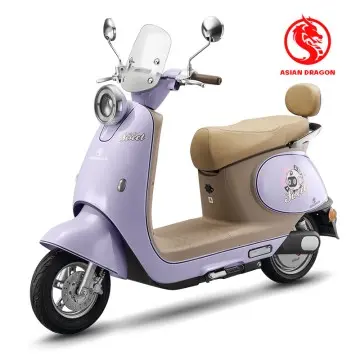 Xindonggui Model Export Version 48V Electric Motorcycle
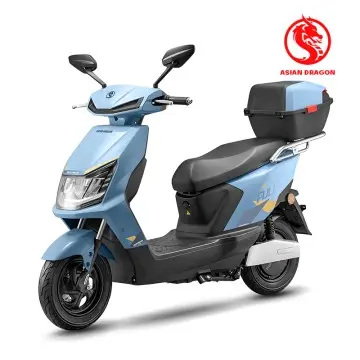 Shangling Model 48V Electric Motorcycle
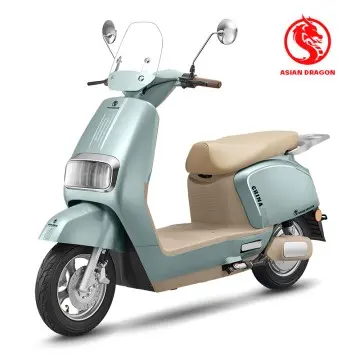 U11 Model 48V Electric Motorcycle
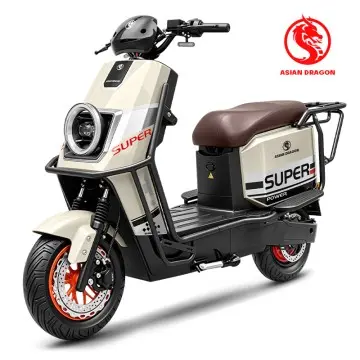 G11-9 Model Export-oriented 48V Electric Motorcycle
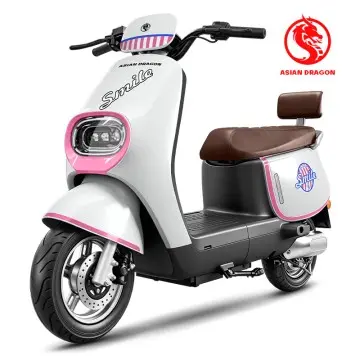 G7 Model, Export-oriented 48V Electric Motorcycle
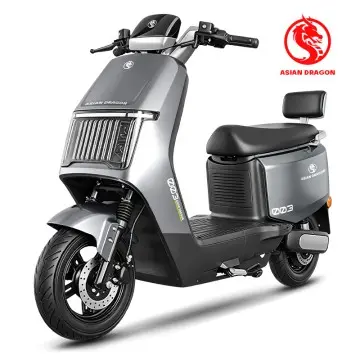 G6 Smart Edition 48V electric motorcycle
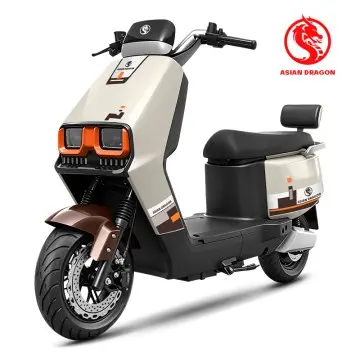 Model G5 Export 48V Electric Motorcycle
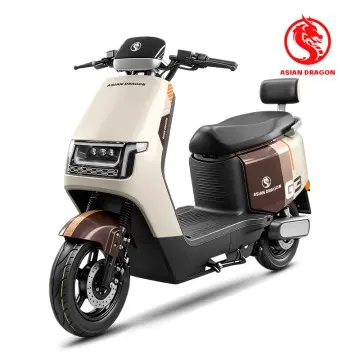 G3 48V Electric Motorcycle for Export