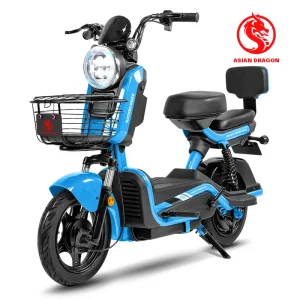
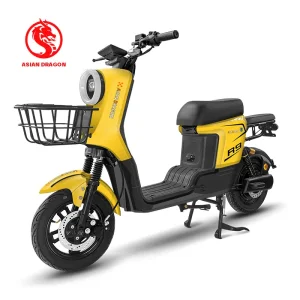
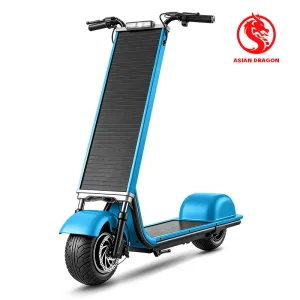
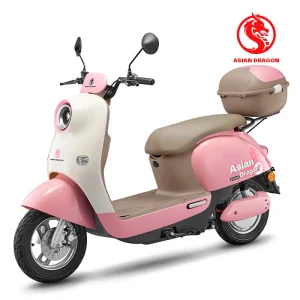
Explore our premium factory-direct models, engineered for unmatched urban efficiency, safety, and reliability.
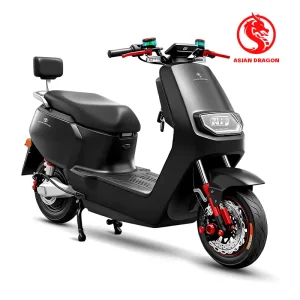
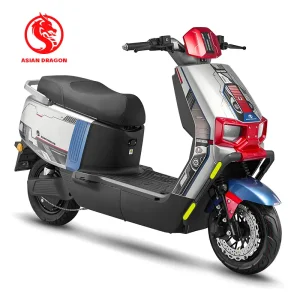
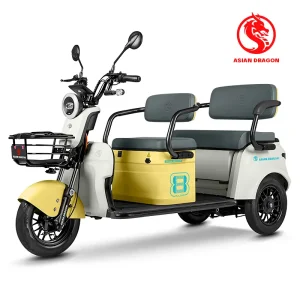
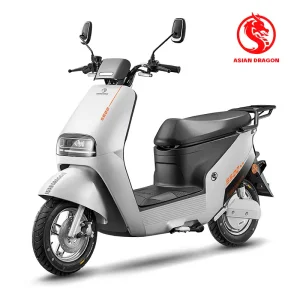
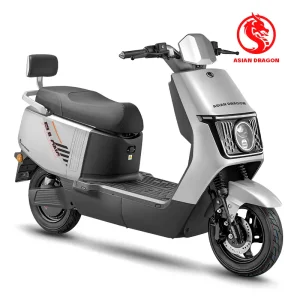
The global transition toward zero-emission logistics, sustainable urban transit, and light industrial mobility has accelerated the demand for high-efficiency electric tricycle motors. Unlike standard two-wheeler electric vehicles, electric tricycles operate under high-load profiles, requiring motors that deliver high low-end torque, robust thermal dissipation, and long-term mechanical reliability under diverse environmental conditions.
As a leading force in the electric mobility sector, Linyi Fulong New Energy Co., Ltd. has established itself as an integrated manufacturing powerhouse. By merging cutting-edge research and development (R&D) with large-scale, automated production facilities, we deliver high-performance electric two-wheelers, three-wheelers, and custom motor units that empower global logistics operations and personal commuting needs.
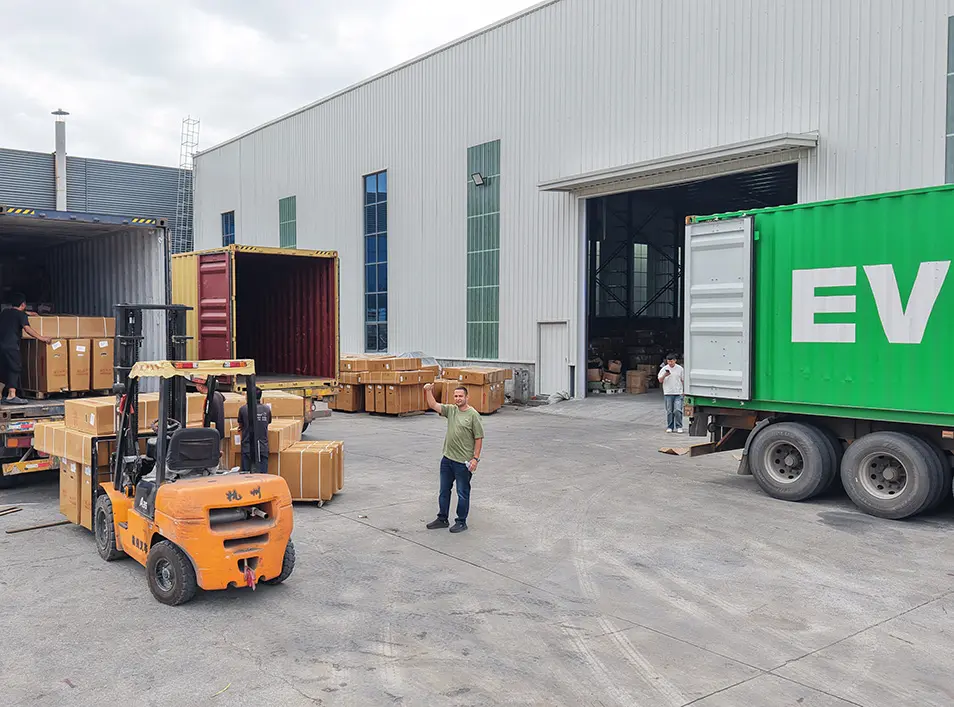
How the evolution of motor topology, materials science, and intelligent control systems is reshaping the commercial vehicle landscape.
Modern tricycle motors are moving toward concentrated fractional-slot windings and high-grade copper wires (class H insulation). This architecture increases the stator slot fill factor, optimizing power output and delivering peak torque at low RPMs, which is critical for loaded cargo start-up on steep inclines.
Continuous heavy-duty operation generates extreme thermal loads. Factories are utilizing high-pressure die-cast aluminum alloy housings with optimized external cooling fin geometry to maximize natural convective heat transfer, preventing rare-earth magnet demagnetization at high operating temperatures.
The motor can no longer be viewed in isolation. Field-Oriented Control (FOC) sine-wave controllers analyze the rotor position with high-precision Hall effect sensors, ensuring smooth acceleration, silent motor operation, and up to 15% range extension via regenerative braking feedback loops.
Navigating quality standards, supply chain dynamics, and product compliance for international distributors and electric fleet managers.
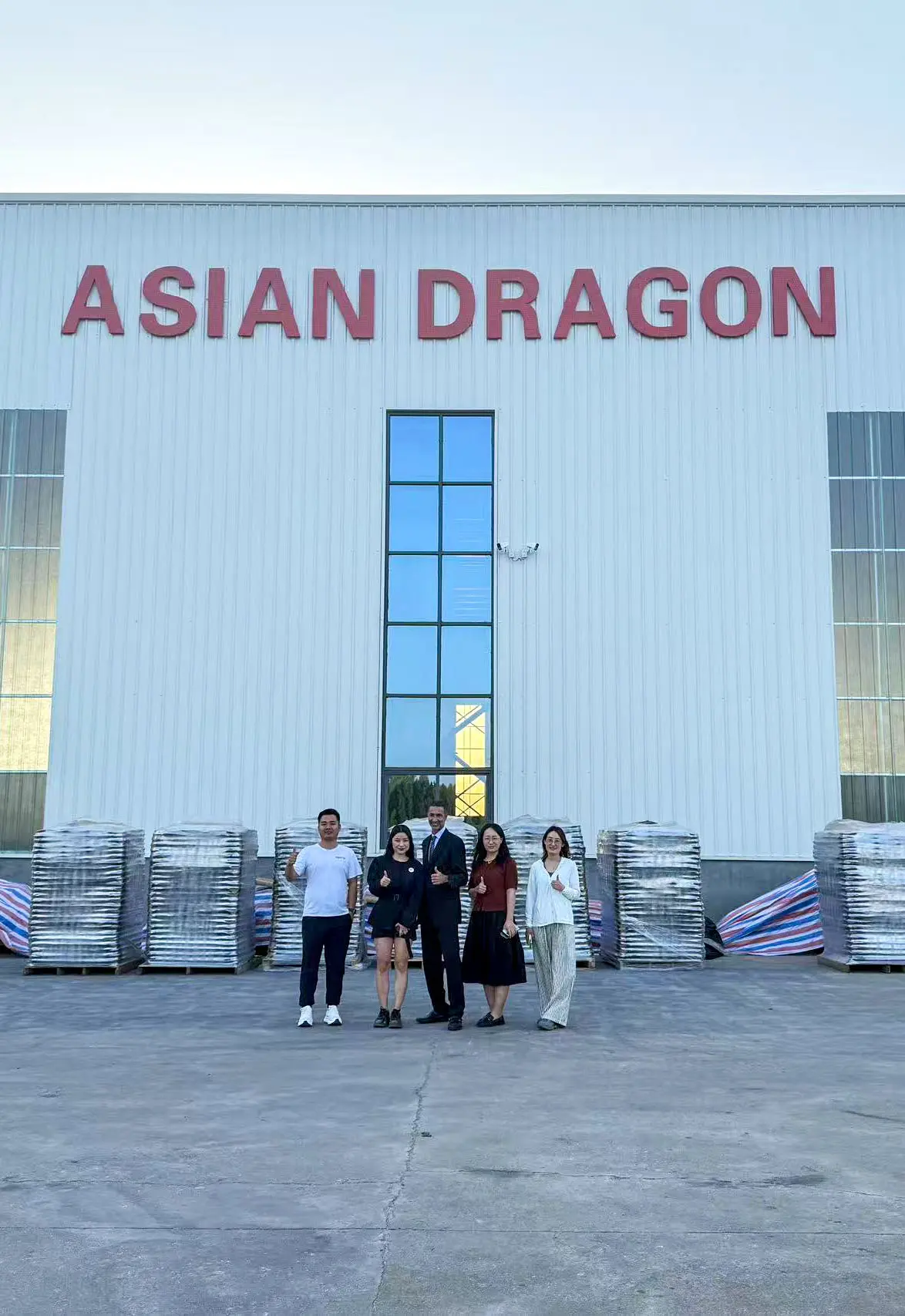
B2B procurement departments representing large-scale e-commerce logistics fleets, municipal passenger services, and agricultural cooperatives face unique procurement challenges when selecting electric tricycle motor suppliers. Quality assurance and consistent performance metrics are non-negotiable.
Key Sourcing Priorities Include:
How automation, raw material integration, and high production volume maintain cost-efficiency and delivery speed.
China's manufacturing prowess in the electric mobility sector is anchored on vertical integration and the implementation of Industry 4.0 paradigms. At Linyi Fulong New Energy Co., Ltd., we utilize advanced automated winding systems, robotic housing assembly, and computer-guided dynamometer testing. This ensures that every electric motor and vehicle leaving our facility meets our strict "Customer First, Quality First" corporate ethos.
Our supply chain resilience is rooted in local industrial clusters. By sourcing high-grade Neodymium Iron Boron (NdFeB) magnets, ultra-pure electrical steel laminations, and premium copper directly from adjacent industrial zones, we reduce lead times and buffer international clients from global raw material price volatility. With an annual production capacity exceeding 500,000 units, we offer highly competitive pricing structures without compromising on structural and electrical reliability.
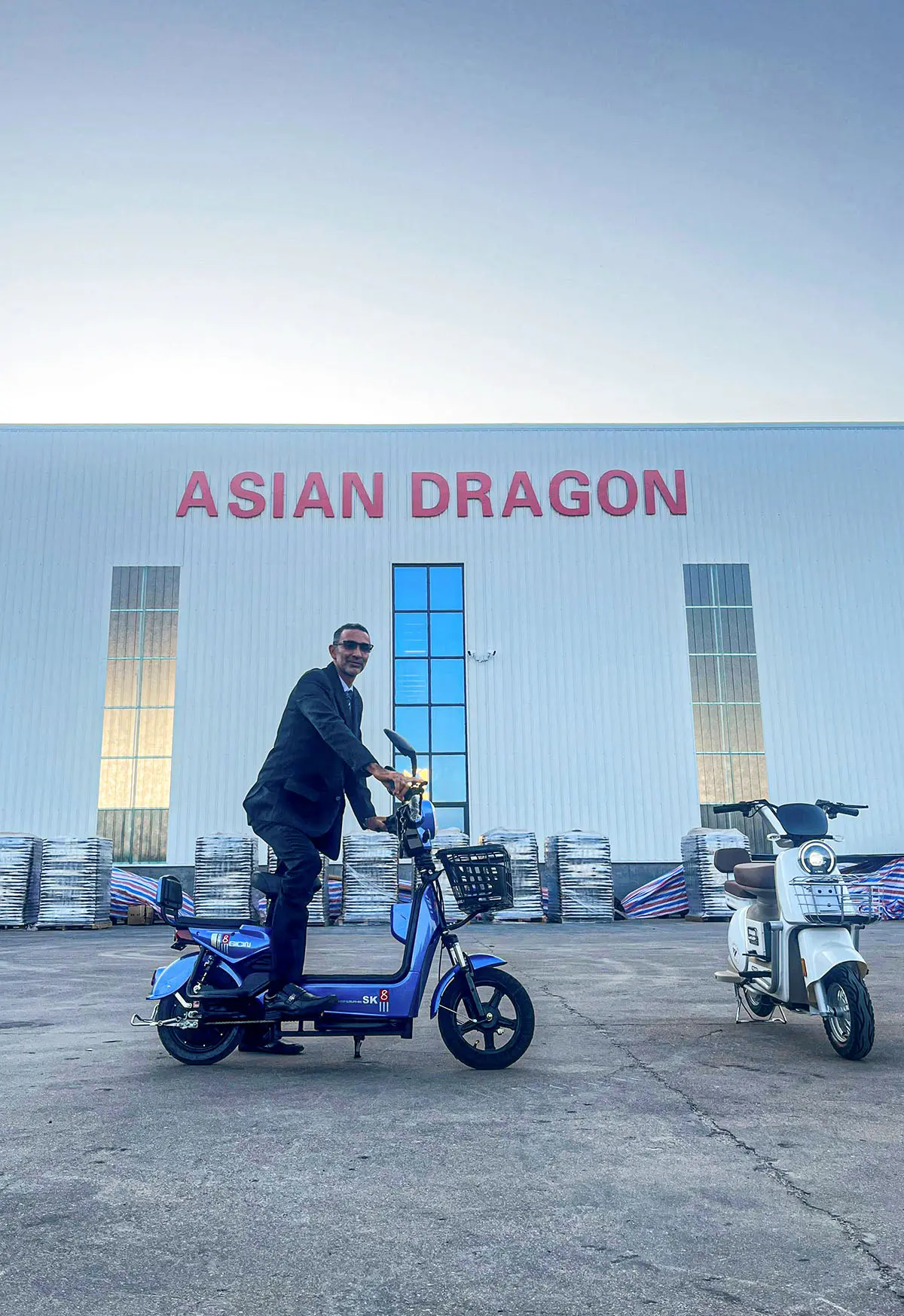
Matching the right powertrain configuration with specific operational demands to maximize efficiency and fleet lifecycle.
In highly congested cities, heavy-duty cargo e-trikes require high-torque motors equipped with built-in dual-speed gearboxes. This configuration enables seamless operations under heavy loads (up to 800 kg) on varied urban gradients.
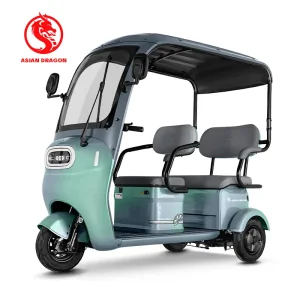
For passenger tricycles and family commuters (like our ASIAN DRAGON Canopy Tricycle), safety and noise control are top priorities. Sine-wave FOC controllers coupled with high-efficiency BLDC motors guarantee quiet, smooth rides for daily commuter needs.
Rural agricultural environments present rough terrain, mud, and heavy vibration. Motors optimized with dust-proof bearings, reinforced mechanical structural frames, and heavy-gauge wiring harnesses ensure high uptime for farmers transporting harvests.
A B2B comparative guide to selecting the optimal electric motor topology for your target market requirements.
Get answers to critical design, testing, lead time, and customization questions from our engineering department.
High-quality engineering, advanced suspension systems, and reliable electronics for global distributors.
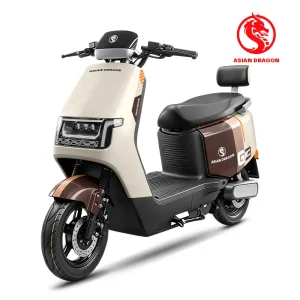
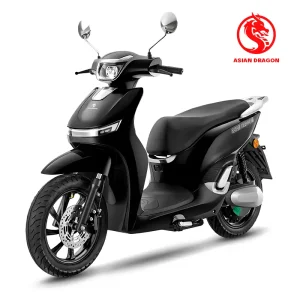
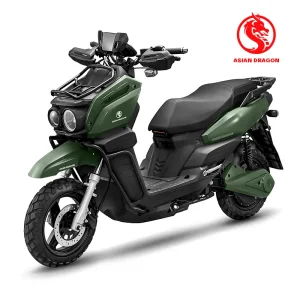
 Asian Dragon