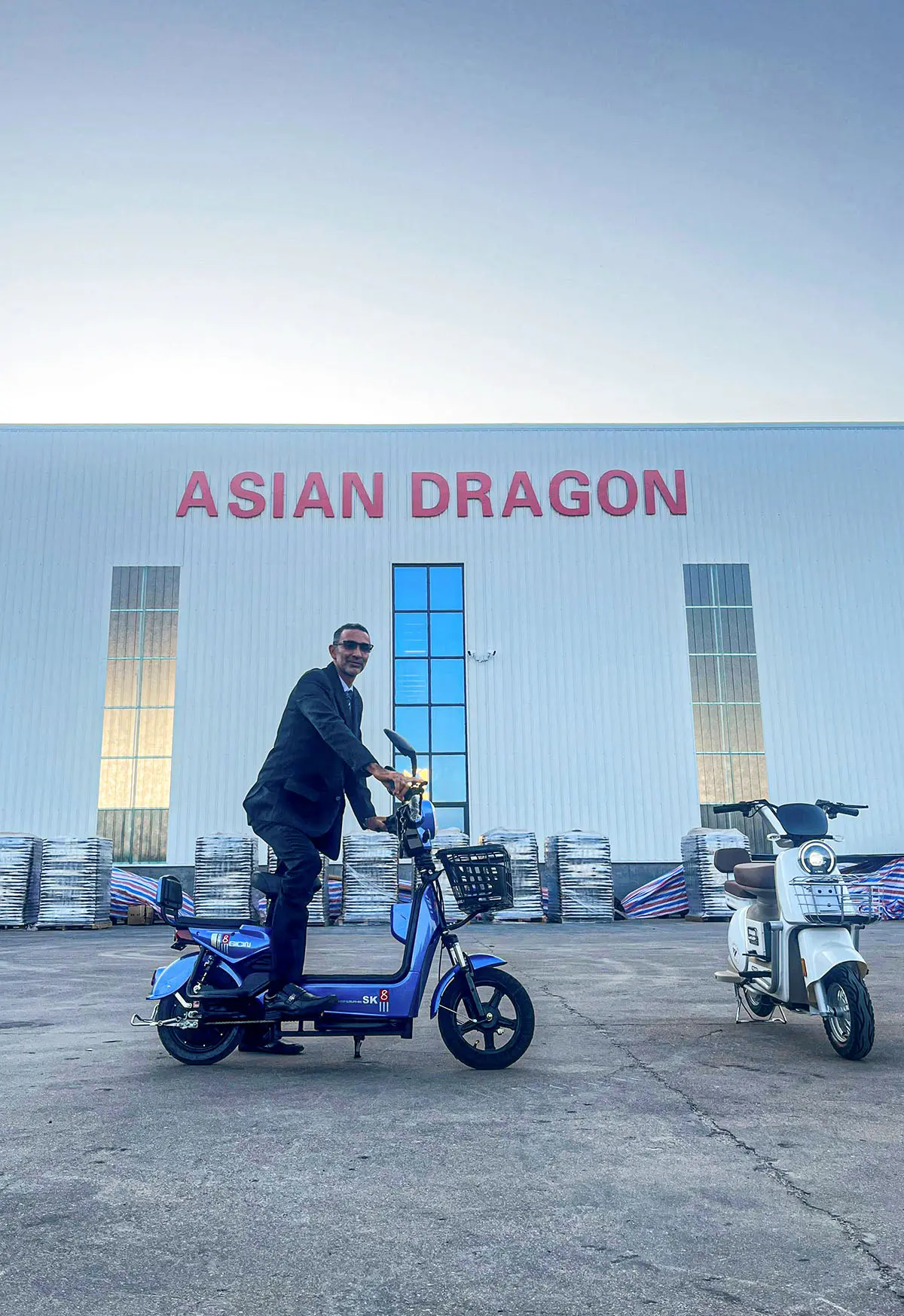
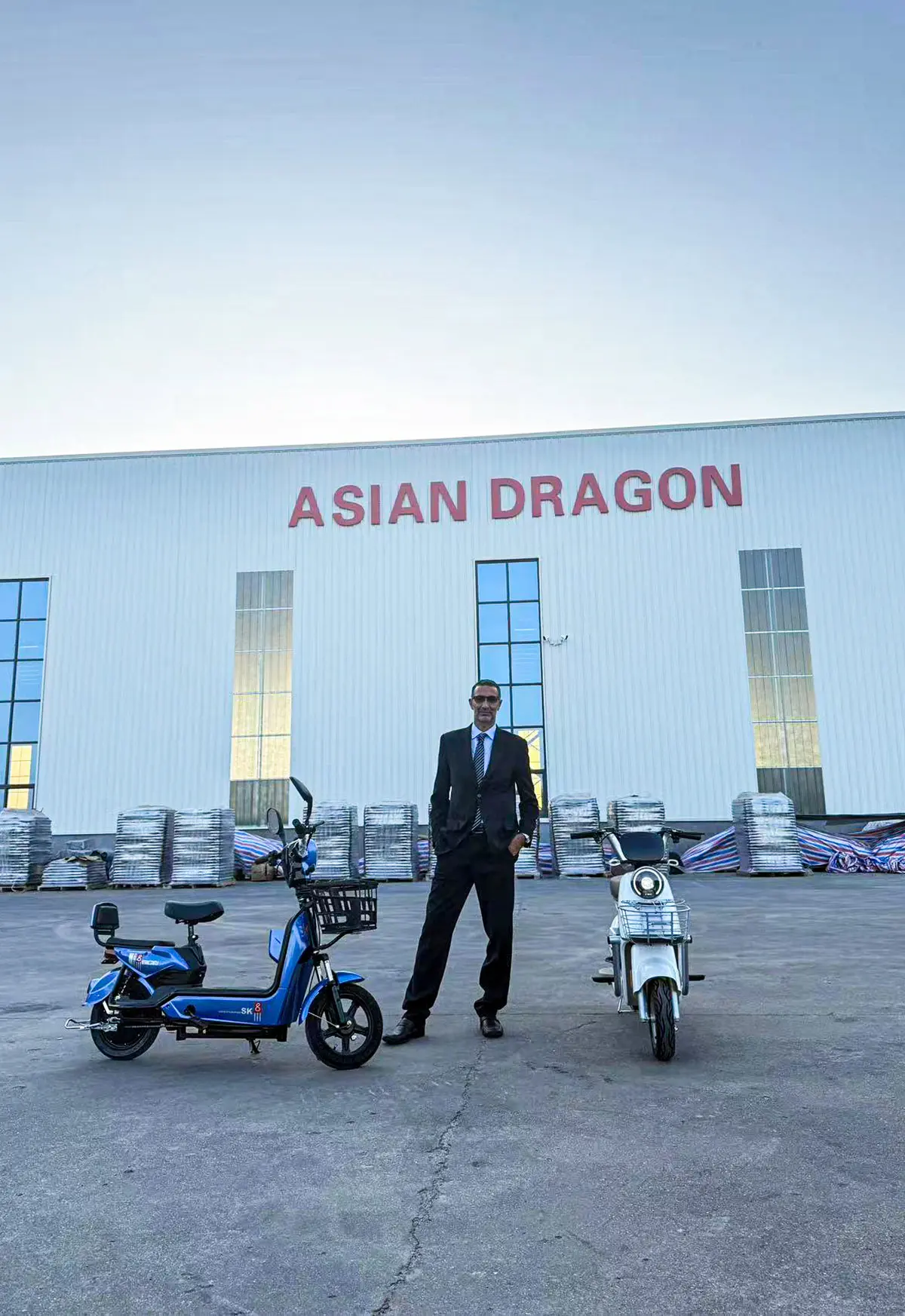
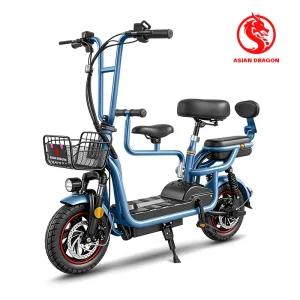
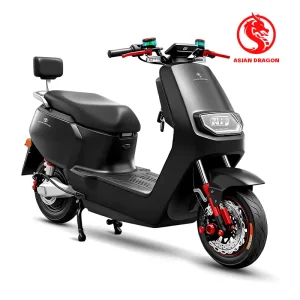
Premium energy-efficient two and three-wheeled configurations designed for global urban mobility operations.
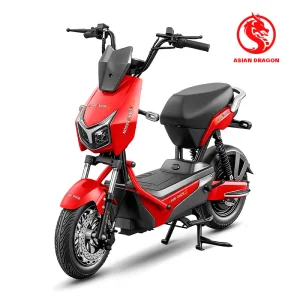
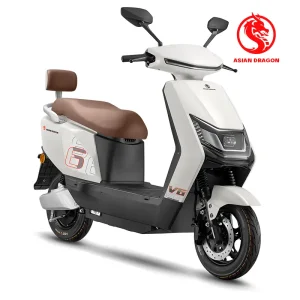
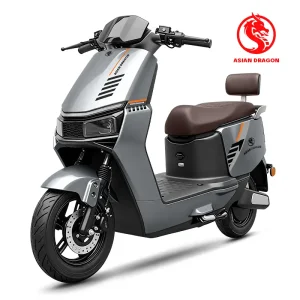
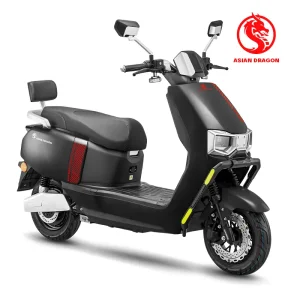
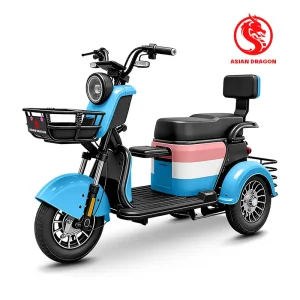
The global shift toward micro-mobility requires not just vehicles, but robust engineering ecosystems that guarantee stability, compliance, and technological endurance. Linyi Fulong New Energy Co., Ltd. has developed into a comprehensive enterprise integrating R&D, production, and sales of electric two-wheelers and three-wheelers, with a complete industrial chain. Currently, Linyi Fulong New Energy Co., Ltd. has an annual production capacity exceeding 500 thousand units, with products sold to more than 90 countries and regions, enjoying widespread recognition.
In the increasingly fierce market competition, the company always takes "customer first, quality first" as its core operating principle, which is not only a solemn commitment to customers, but also the fundamental cornerstone of the company's sustainable development, running through every link of business development. With customer demand as the core orientation, set up a professional market research team to deeply understand the actual needs of different customer groups. Building a solid foundation for development with excellent quality, the company selects high-quality raw material suppliers and establishes strict raw material acceptance standards. At the same time, advanced production equipment and technology are introduced to realize the automation and fine control of the production process. Ensure that every production link meets the quality standards.
Understanding the macroeconomic advantages, supply chain consolidation, and manufacturing efficiencies of the Chinese electric vehicle industry.
From lithium mining and chemical processing to battery pack assembly, brushless DC motors, and advanced controller chips—the entire micro-mobility supply chain is physically centralized within China's industrial zones. This reduces transit times for sub-components and lowers logistics costs.
Operating out of expansive sites (such as our 20,000m² facility), Chinese factories optimize throughput via automated assembly, precision robotic welding, and continuous conveyor cycles. Scale economies lower unit costs, passing structural savings to international distributors.
Unlike Western operations limited to fixed assembly setups, Chinese manufacturers excel at custom-configured manufacturing. Importers can customize motors, paint designs, battery types (LFP/Ternary), and digital dashboards to meet local compliance laws.
International decarbonization mandates, paired with strict limits on internal combustion engines in city centers, are driving unprecedented demand for electric motorbikes. Leading manufacturers in China are no longer just producing simple mopeds; they are designing integrated vehicular computing systems that interface with smart city architectures. By adopting advanced motor controllers and digital instrument panels, electric motorbikes are evolving into connected edge devices, offering fleet managers real-time telemetry, predictive maintenance alerts, and geofencing capabilities.
The technical shift defining the next generation of battery powered two-wheelers.
The industry is transitioning from lead-acid batteries to lithium iron phosphate (LiFePO4/LFP) and nickel manganese cobalt (NMC) chemistries. LFP batteries offer thermal stability and long lifetimes (>2,000 cycles at 80% DoD), making them ideal for heavy commercial fleets. Modern Battery Management Systems (BMS) utilize CAN-bus interfaces to monitor individual cell voltage, control temperature, and prevent thermal runaways.
Brushless DC (BLDC) hub motors remain the industry standard due to their low maintenance and direct torque transfer. However, manufacturers are shifting to high-efficiency FOC (Field Oriented Control) sine-wave controllers. FOC controllers deliver smooth torque output, quieter operations, and up to a 15% increase in range compared to square-wave alternatives.
Building sustainable, long-term partnerships through quality engineering and custom manufacturing.
In the future, the company will continue to take "customer first" as the guide, listen to your needs and constantly optimize products and services; Taking "quality first" as the bottom line, we will provide you with reliable product guarantee and help your business development.
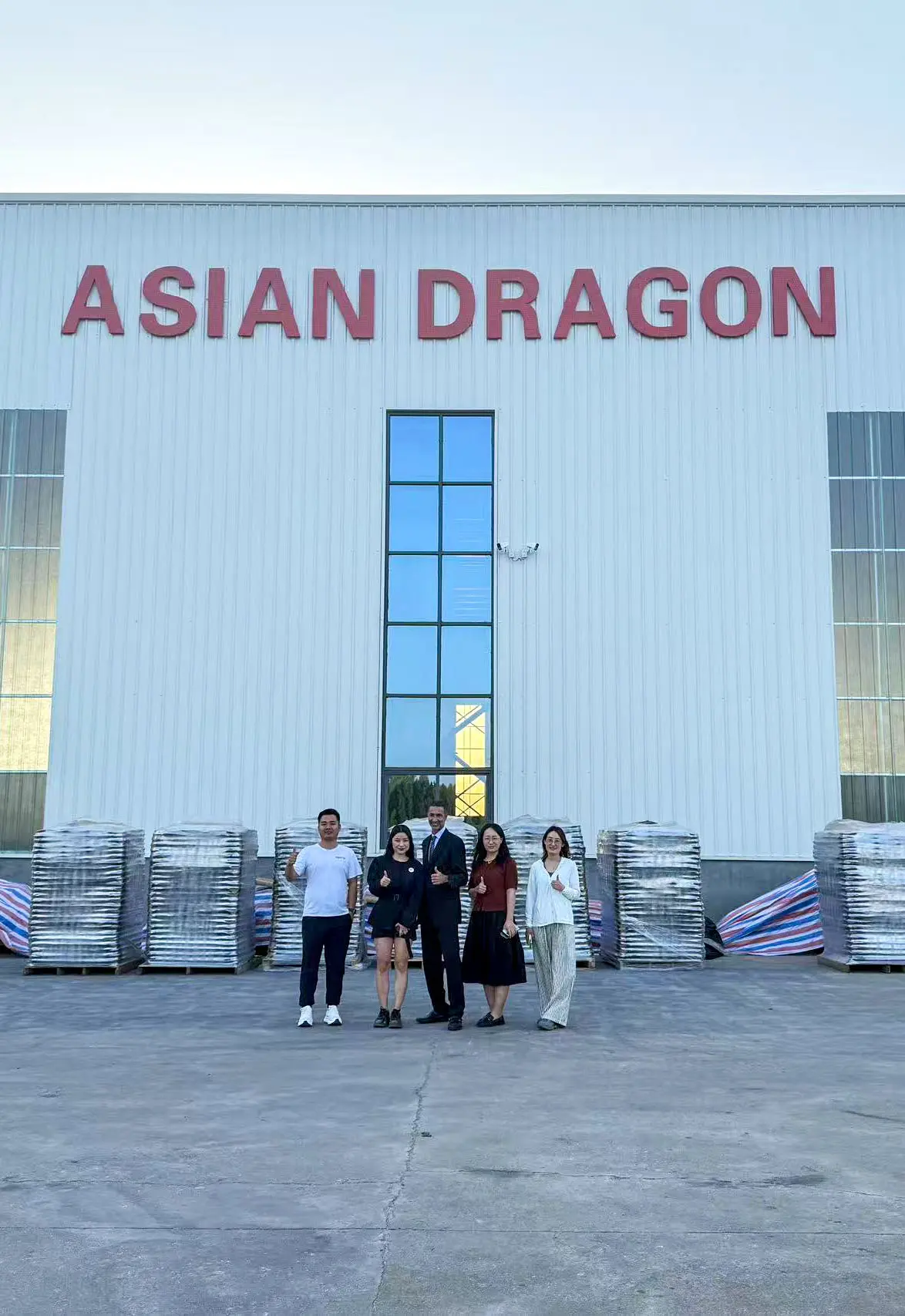
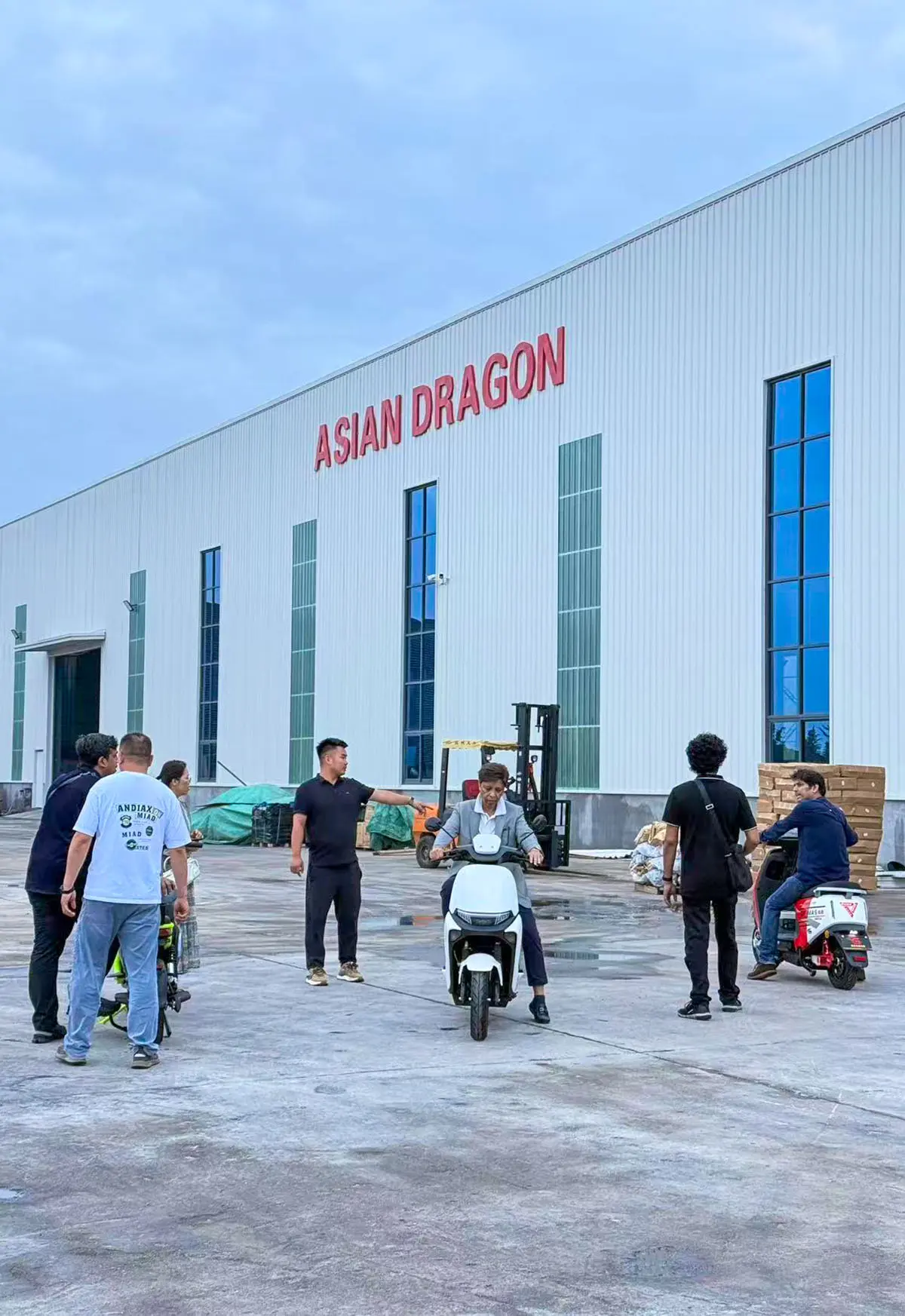
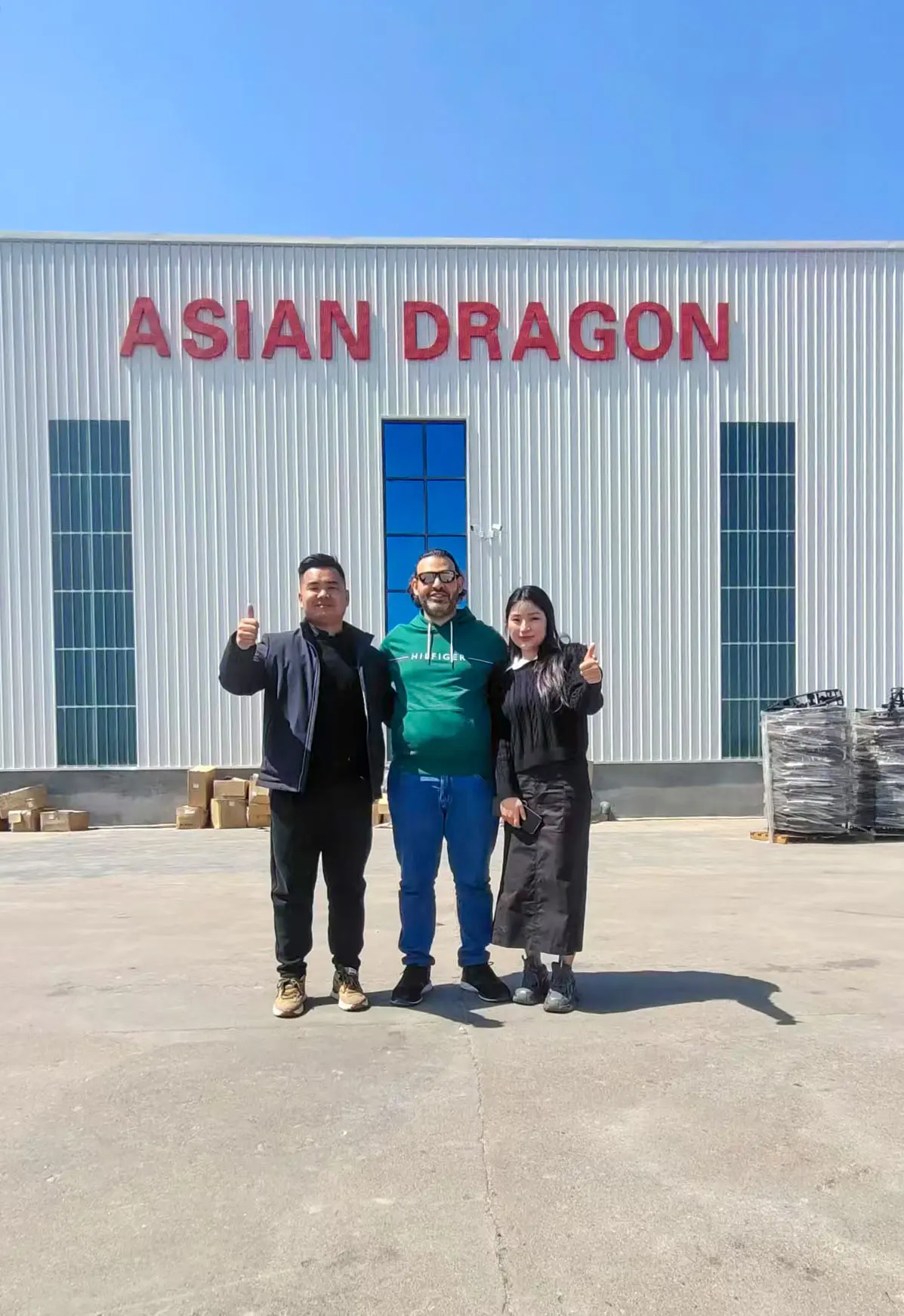
"Behind every cooperation is the trust and recognition of our customers. Welcome every partner to inspect the factory, get a deeper understanding of the company's strength and concept, eliminate cooperation concerns and establish a more stable trust relationship."
Matching specific user demographics with optimized mechanical and electrical design paradigms.
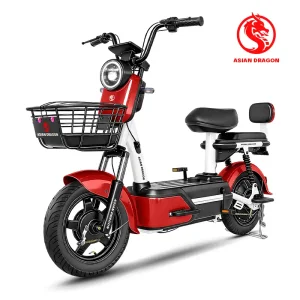
High-torque hub motors, dual-pot hydraulic disc brakes, sport-tuned suspension, and aggressive fairing aerodynamics designed for high performance.
Focused on cost efficiency, lightweight construction, software speed limiters, and highly reliable integrated front and rear drum/disc braking.
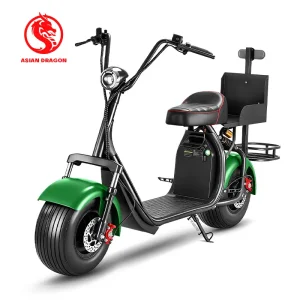
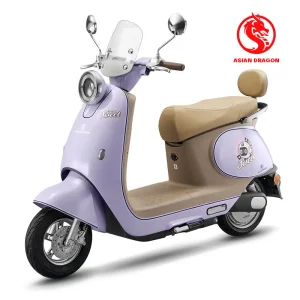
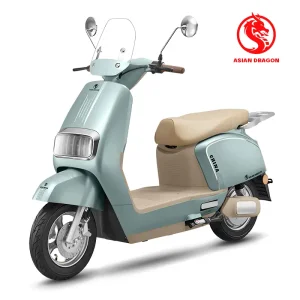
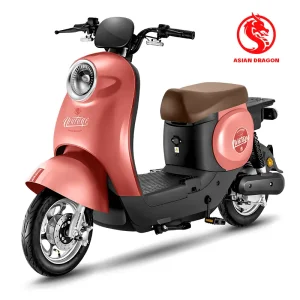
Featuring retro and futuristic styling, customizable LED lighting elements, integrated Bluetooth speaker setups, and metallic finishes.
Engineered with extended-range battery packs, ergonomically contoured seating, under-seat storage space, and integrated cell phone USB charging.
A look inside our 20,000 square meter ISO-compliant production facility.
Our factory integrates welding, coating, assembly, and testing. Chassis stress-testing machines subject metal frames to intense cyclic loads to ensure durability. Our painting line uses electrostatic powder coating processes to deliver scratch-resistant finishes that stand up to harsh outdoor environments.
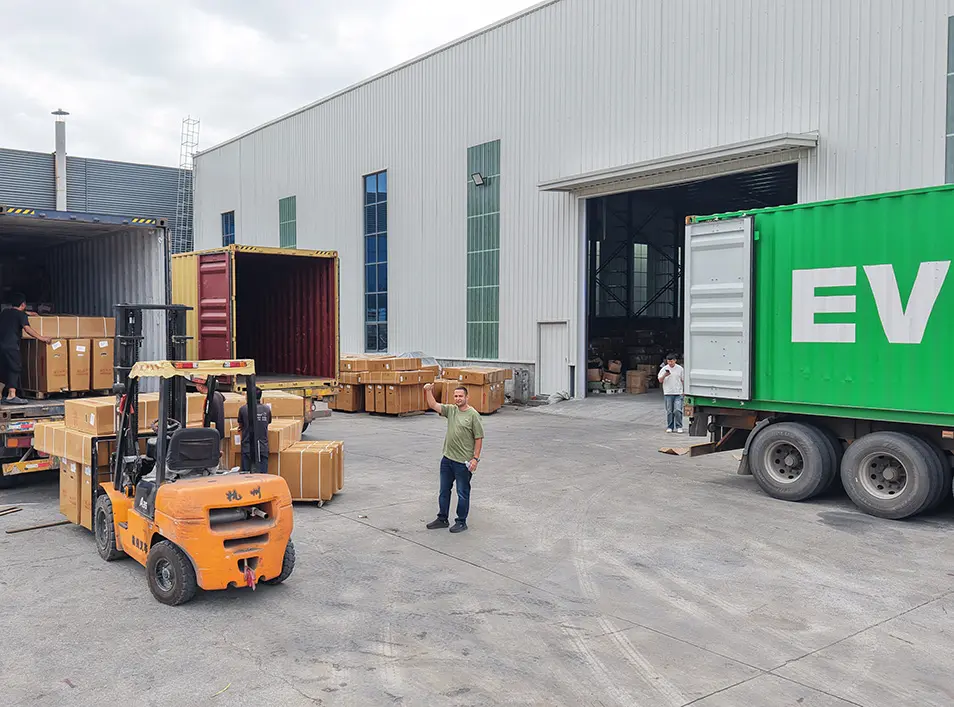
During assembly, every motor unit undergoes dyno testing to verify power output, operating efficiency, and thermal performance across a simulated speed spectrum. Our quality management system tracks each step, ensuring only validated vehicles reach export containers.
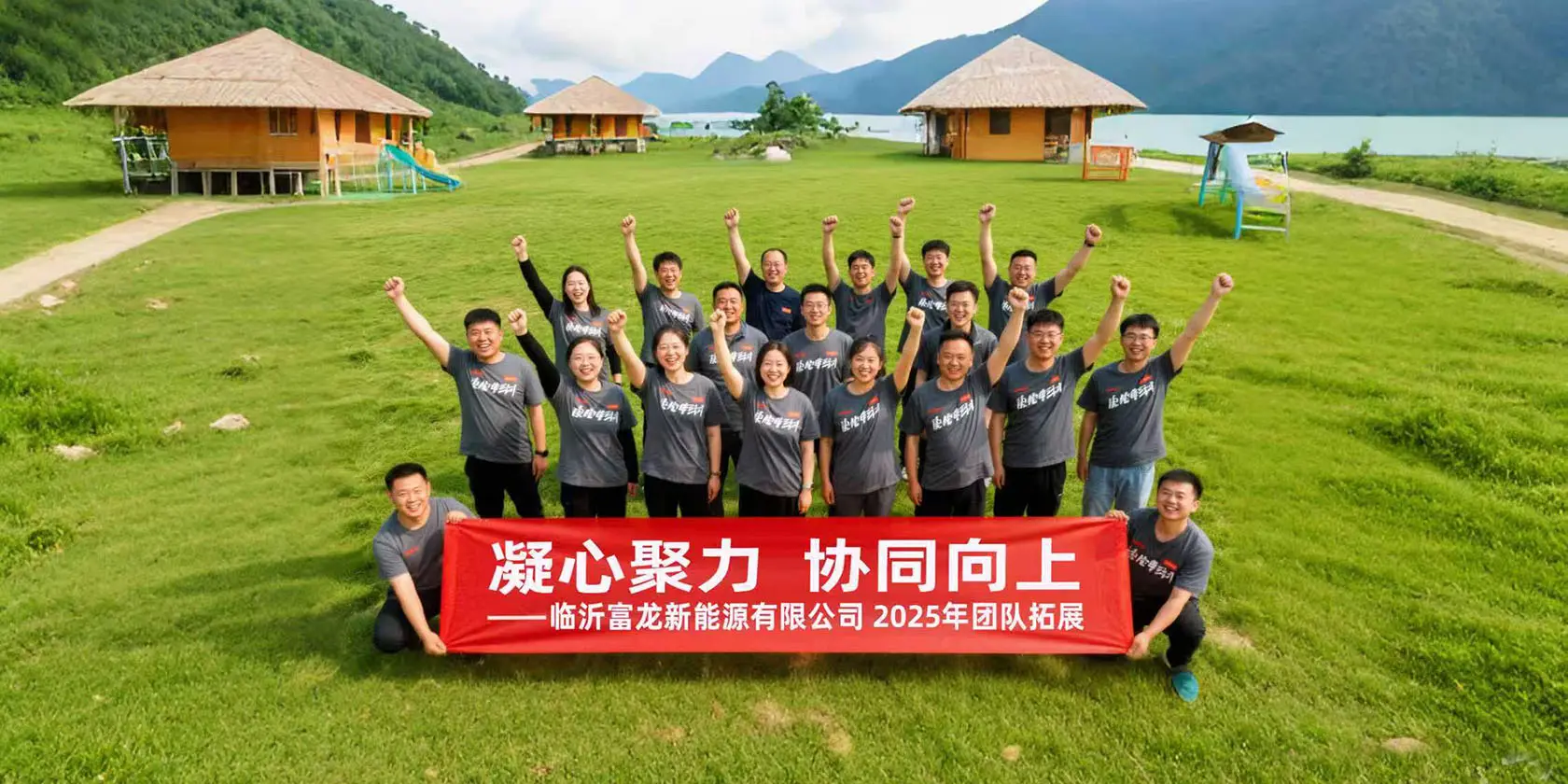
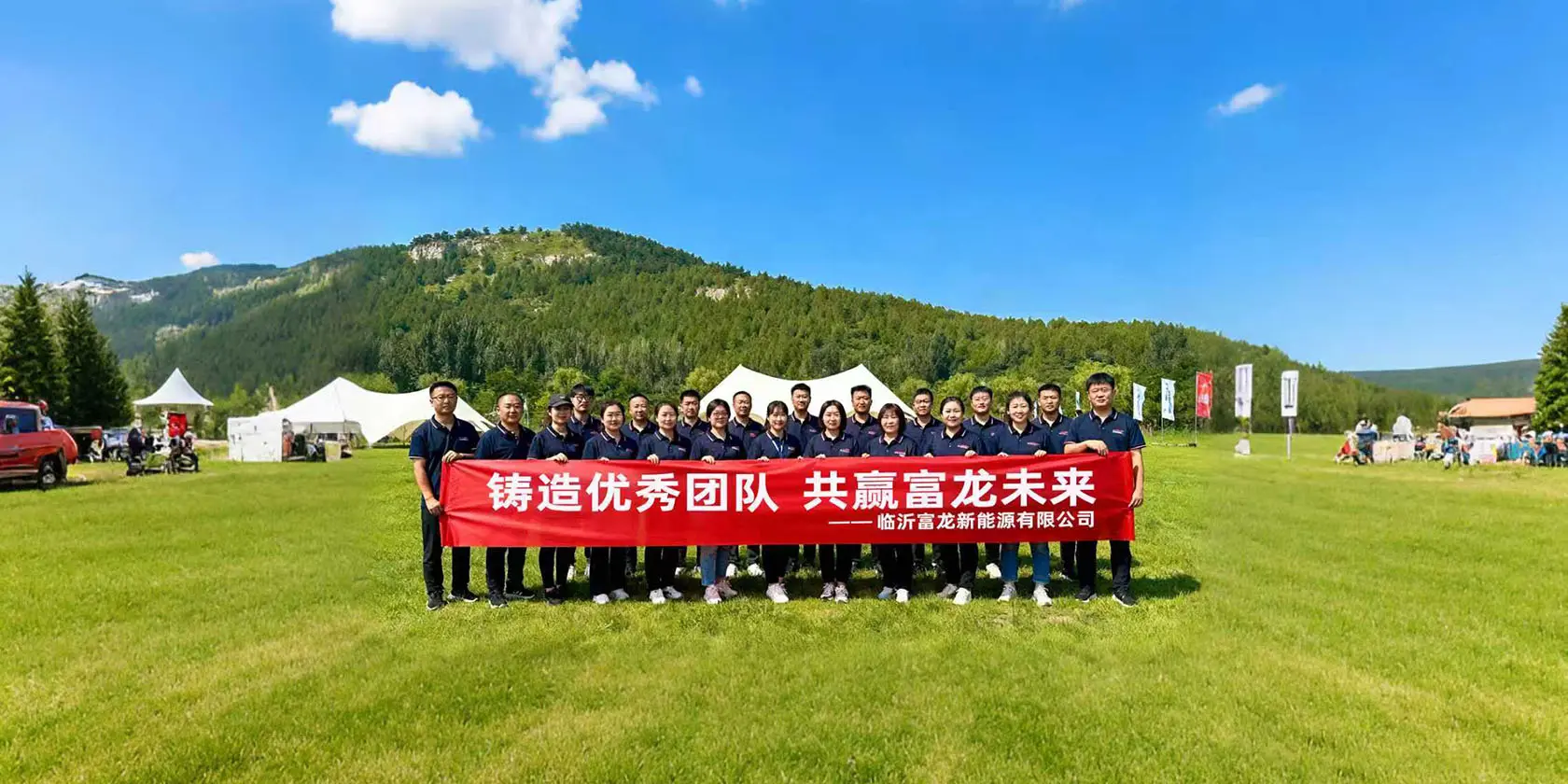
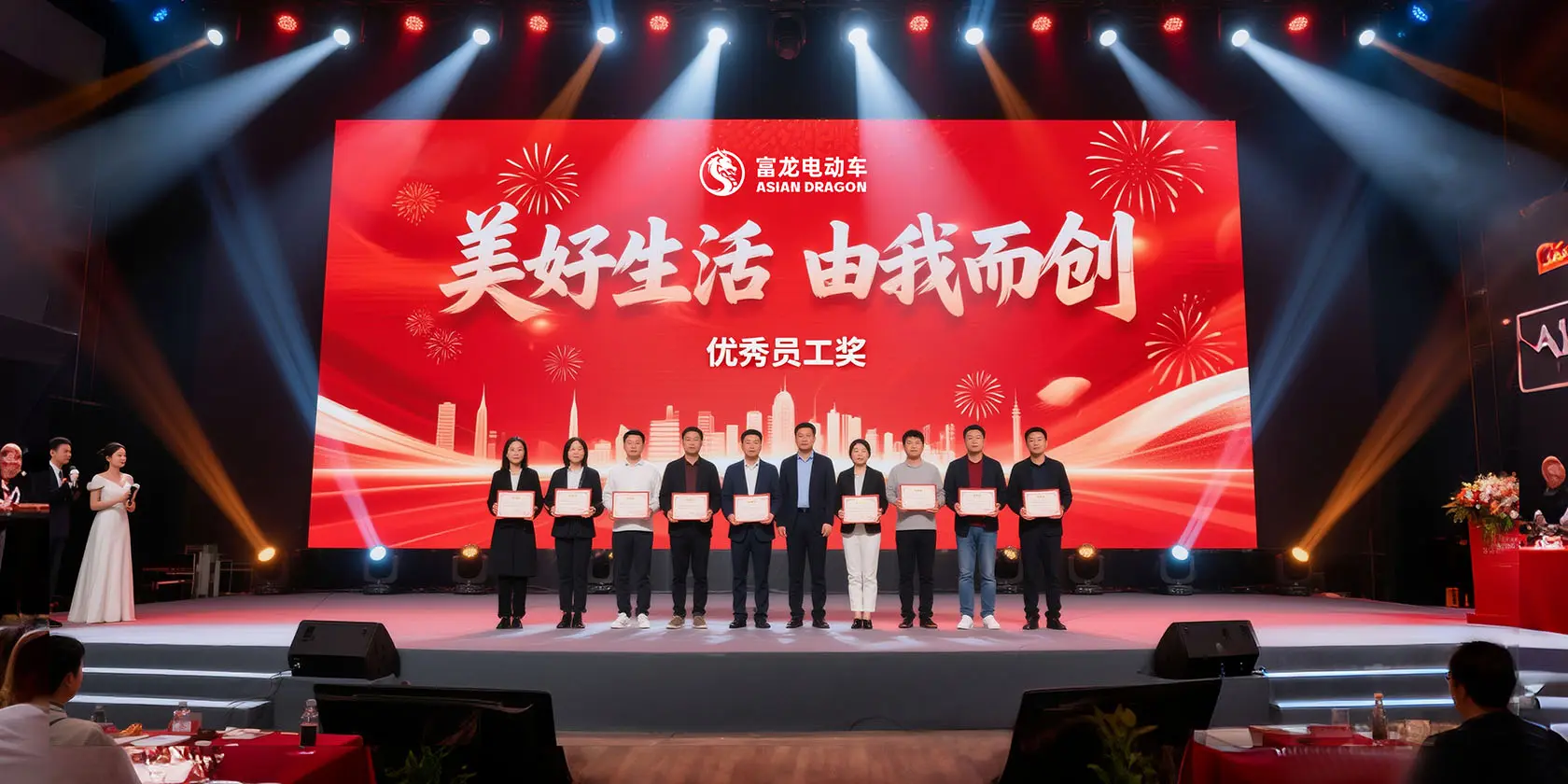
We support a wide array of frame designs, battery capacities, and drive configurations tailored to regional regulatory environments.
A professional guide to help global purchasing officers evaluate manufacturing quality and compliance during factory audits.
For international sourcing directors, buying high-volume battery-powered motorbikes requires careful assessment of risk, component origin, and factory reliability. Surface aesthetics are easy to copy, but the long-term reliability of an electric motorcycle depends on its internal engineering details:
High-vibration road conditions demand robust frame welding. Premium factories utilize automated carbon dioxide shielded arc welding robots. This ensures deep weld penetration and uniform weld beads, preventing frame fatigue over thousands of operating miles. Insist on seeing radiographic or non-destructive ultrasonic testing reports for frames.
Batteries represent the largest single cost component. Purchasing agents must verify that the lithium cells come from tier-1, certified manufacturers. Ensure the factory provides authentic UN38.3 test summaries, Material Safety Data Sheets (MSDS), and drop test reports. These documents are required for international maritime transport of Class 9 dangerous goods.
To minimize import tariffs, many distributors import vehicles in SKD (Semi-Knocked Down) or CKD (Completely Knocked Down) formats. A capable factory must carefully design the packaging configuration. Steel crate skeletons surrounded by heavy-duty double-wall corrugated fiberboard protect delicate fairings, wheels, and instrument pods from moisture and impact during transport.
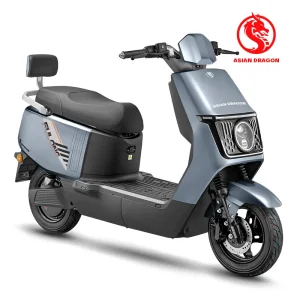
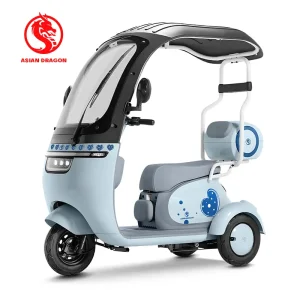
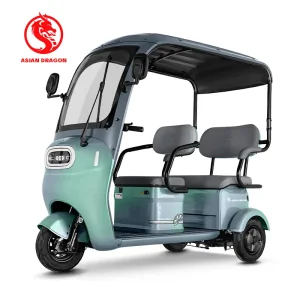
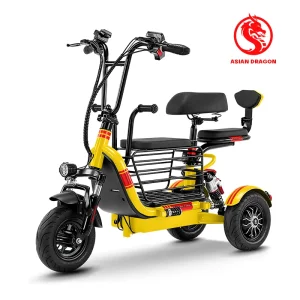
Innovative designs featuring weatherproof cabins, multi-passenger trikes, and specialized urban commuters.
Answers to technical and logistical questions commonly asked by global importers and distributors.
For custom-branded orders (OEM/ODM), the standard MOQ is typically 50 to 100 units per model, depending on the required level of customization (such as frame adjustments, custom colors, or bespoke dashboard software). For standard configurations, we can often accommodate smaller trial orders of 20 to 30 units to assist with regional market validation.
We use high-grade lithium cells (LFP or Ternary) equipped with smart Battery Management Systems (BMS) that actively protect against short circuits, overcharging, and thermal runaways. All battery configurations exported by our facility carry certifications like UN38.3, MSDS, and CE compliance reports, ensuring they meet global air and sea shipping safety standards.
Yes, we manufacture specific export configurations that conform to EEC (European Economic Community) guidelines and include Certificate of Conformity (COC) paperwork for easy road registration. For North American customers, we build models that comply with DOT (Department of Transportation) safety requirements. Please discuss your local road legality criteria with our sales team during the design phase.
We offer complete shipping flexibility. You can source fully assembled vehicles, Semi-Knocked Down (SKD) kits, or Completely Knocked Down (CKD) packages. CKD packs allow you to maximize container volume and save on import taxes by assembling the bikes locally. We use custom steel frame packaging wrapped in heavy corrugated cardboard to prevent shipping damage.
Our QC process consists of three main stages: Incoming Quality Control (IQC) for raw steel, plastics, and electronics; In-Process Quality Control (IPQC) along the welding and painting lines; and final Outgoing Quality Control (OQC). Every bike is tested on an electronic rolling road dynamometer to verify braking power, speedometer accuracy, and electrical load stability before loading.
 Asian Dragon