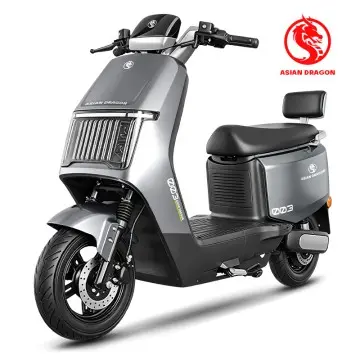
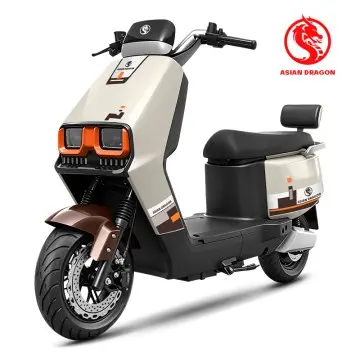
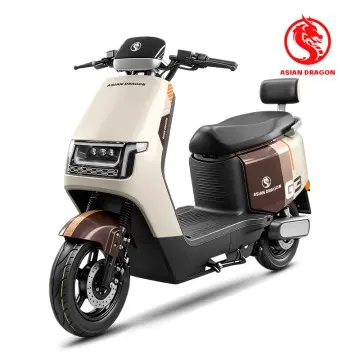
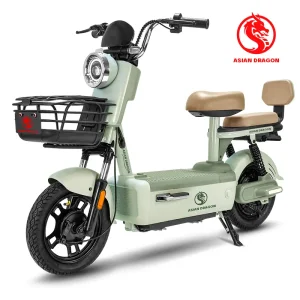
Wholesale E Bike Motorcycle Suppliers & Factory

Decarbonizing Global Transit: Industrial Grade OEM/ODM Electric Two-Wheelers & Three-Wheelers

Global E-Bike & Electric Motorcycle Industry Report

Analyzing supply chain metrics, macroeconomic growth factors, and engineering standards for enterprise-level sourcing.

1. The Global Electrification Paradigm Shift

The global macro-mobility landscape is experiencing an unprecedented structural transition. Volatile fuel pricing, stringent inner-city emission mandates, and rapid urbanization have forced a global pivot toward light electric vehicles (LEVs). Once localized to specialized micro-commutes, electric motorcycles, smart e-bikes, and utility electric trikes have become critical components of urban transport systems worldwide.

According to current market intelligence, the global electric two-wheeler market size is projected to expand at a compound annual growth rate (CAGR) exceeding 9.8% over the next decade. Industrial buyers, logistics conglomerates, and government bodies are shifting their focus to premium Chinese manufacturing hubs that can scale production while conforming to safety configurations like EEC/COC, DOT, and CE certifications.
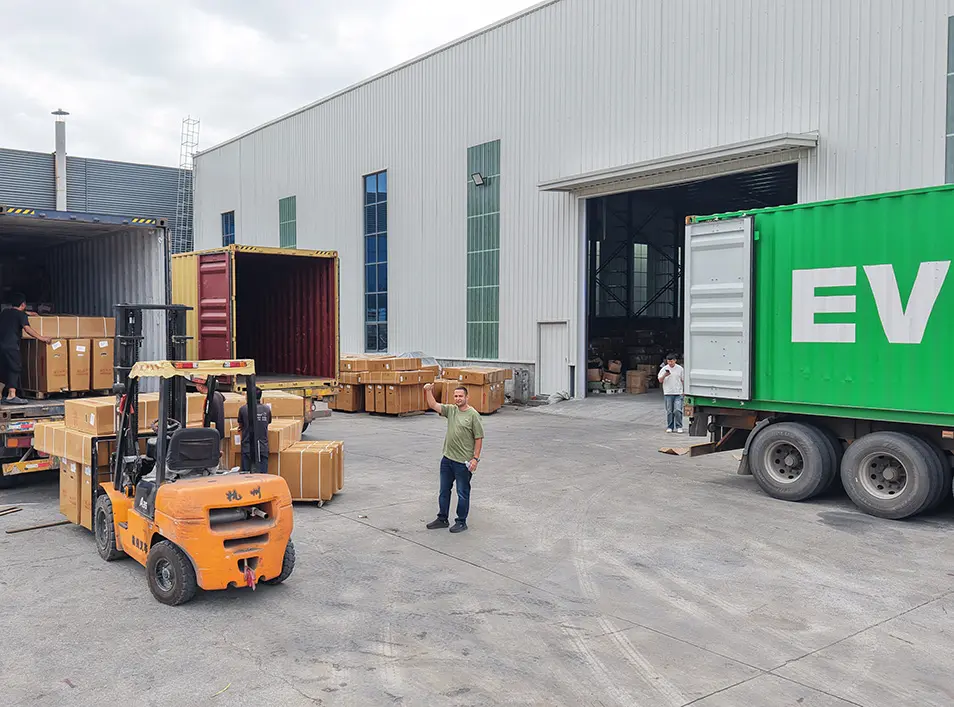
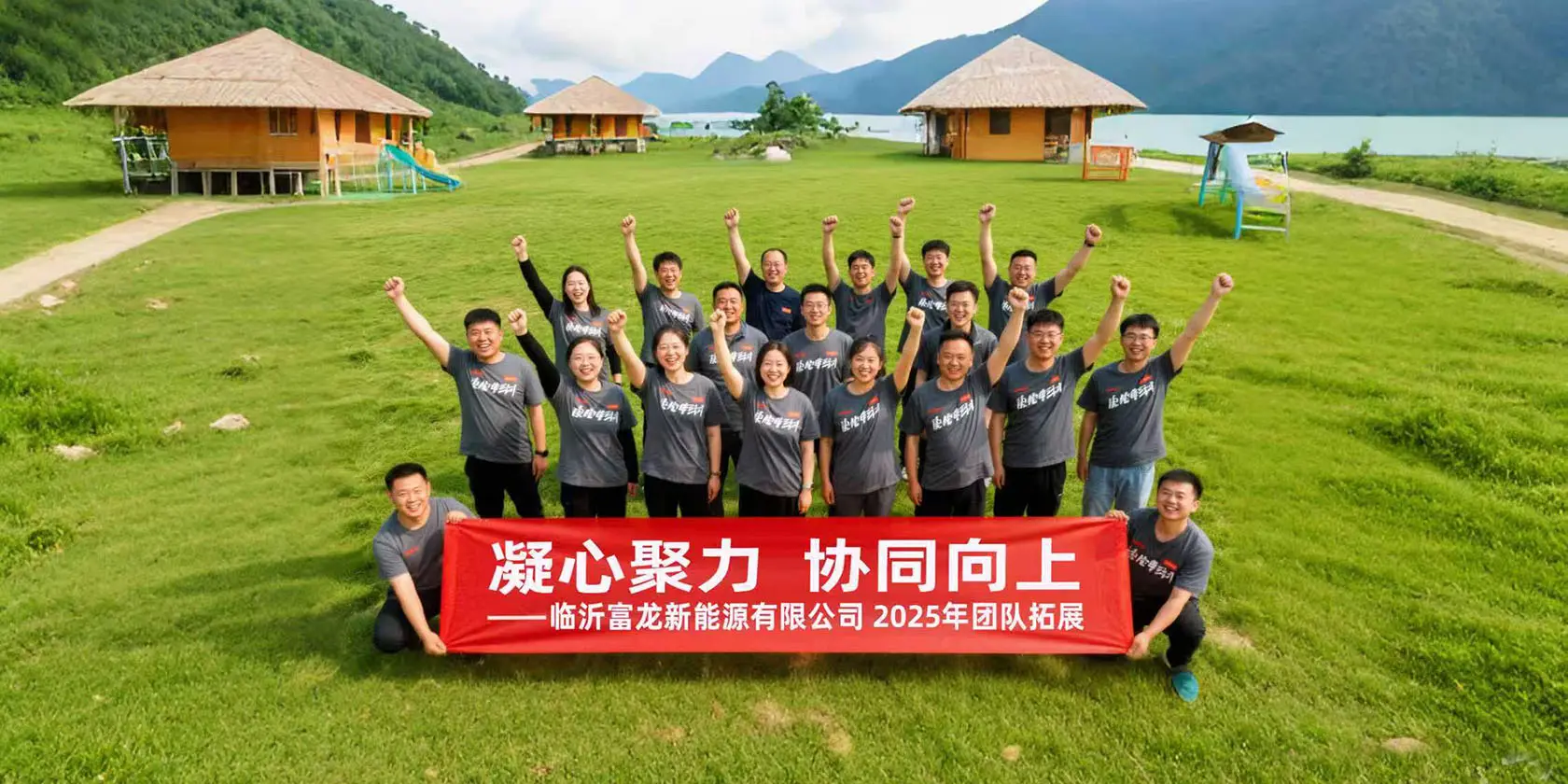
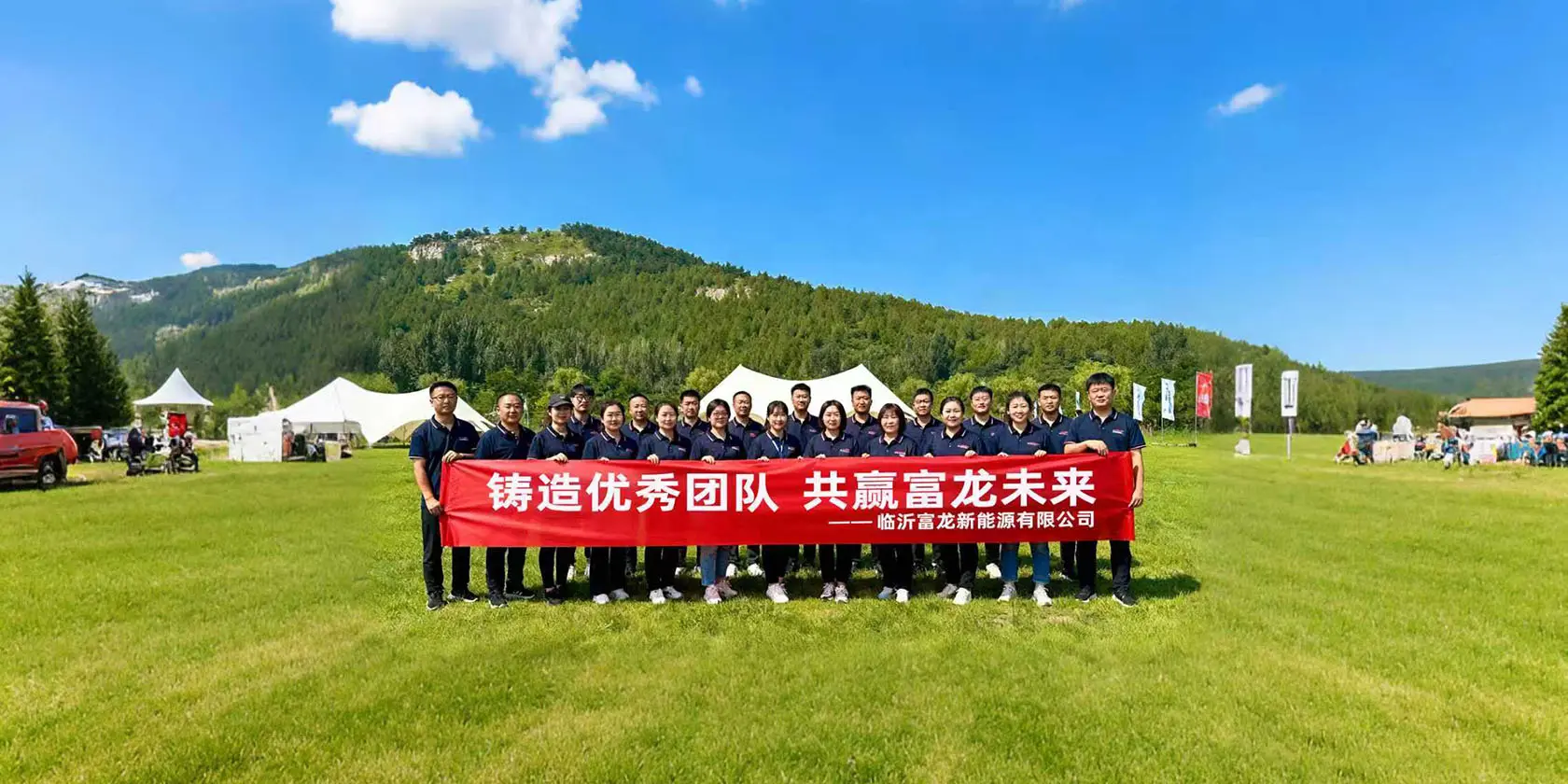
Fulong Production Quality Assembly

2. Strategic Sourcing Metrics for B2B Procurement

For international distributors, B2B sourcing of electric motorcycles is no longer just about landing the lowest per-unit cost. The total cost of ownership (TCO) and regulatory clearance play crucial roles. Importers prioritize specific manufacturing capabilities:
  • Drivetrain Reliability: Brushless DC (BLDC) hub motors ranging from 500W for lightweight commuters to 2000W+ for cargo and high-speed road applications, optimized for thermodynamic efficiency and water protection (IP67+).
  • Energy Storage Ecosystems: Transitioning from legacy lead-acid batteries to high-cycle Lithium Iron Phosphate (LiFePO4) and Lithium Nickel Manganese Cobalt Oxide (NMC) battery packs, managed by smart Battery Management Systems (BMS) with overcurrent and thermal runaway protections.
  • Structural Resilience: Robotically welded, high-tensile carbon steel or aviation-grade alloy frames capable of bearing payloads over 150kg without fatigue failure, validated by rigorous stress-testing jigs.
  • Chassis Optimization: Advanced hydraulic damping suspension, combined with integrated CBS (Combined Braking System) or front/rear disk brakes to manage high kinetic energy safely.
10+
Years Industry Experience
500K+
Annual Unit Output
90+
Global Export Countries
20K㎡
Advanced Factory Cover
Fulong Intelligent Production Facility

3. China Factory 4.0: Supply Chain Resiliency

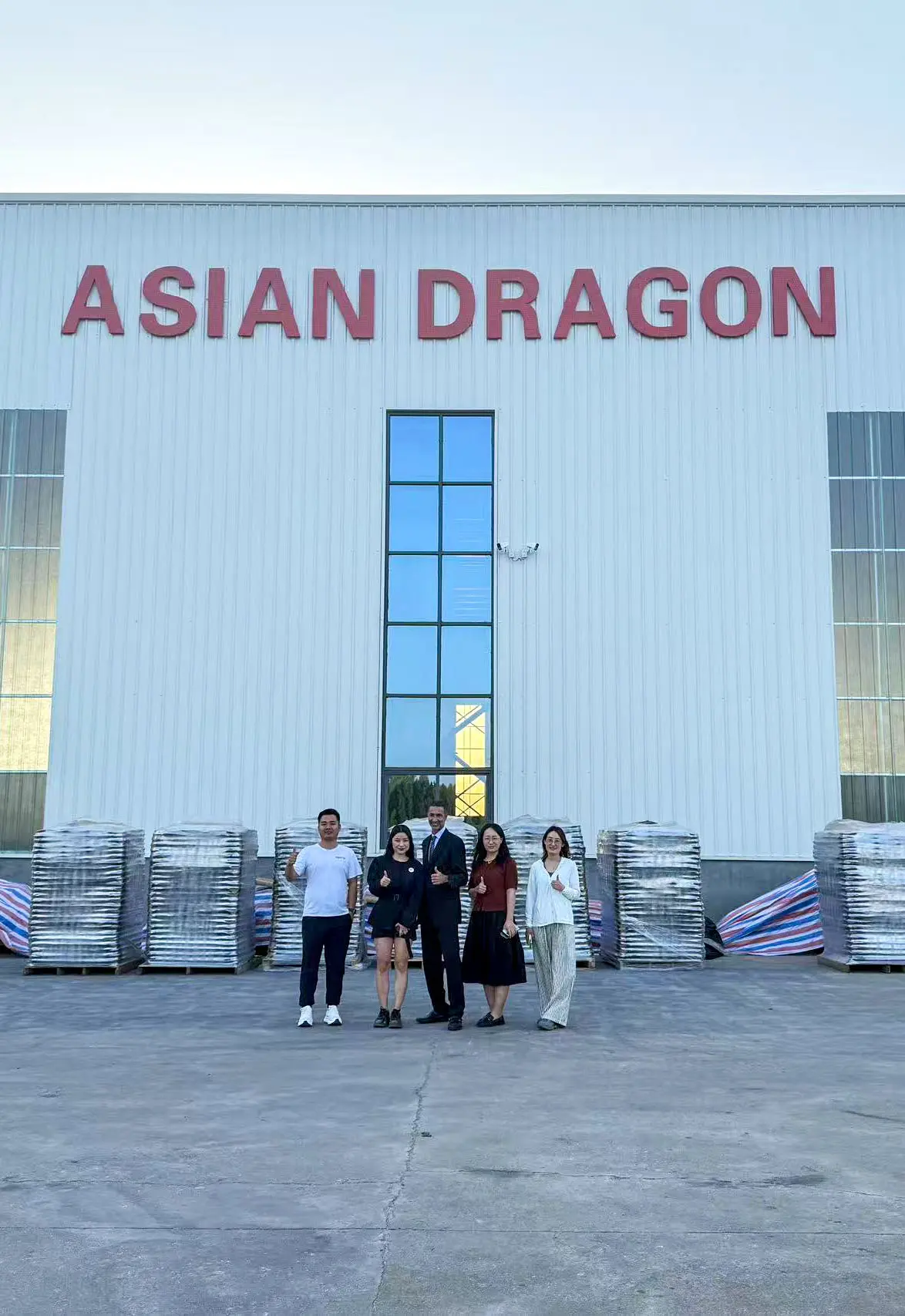
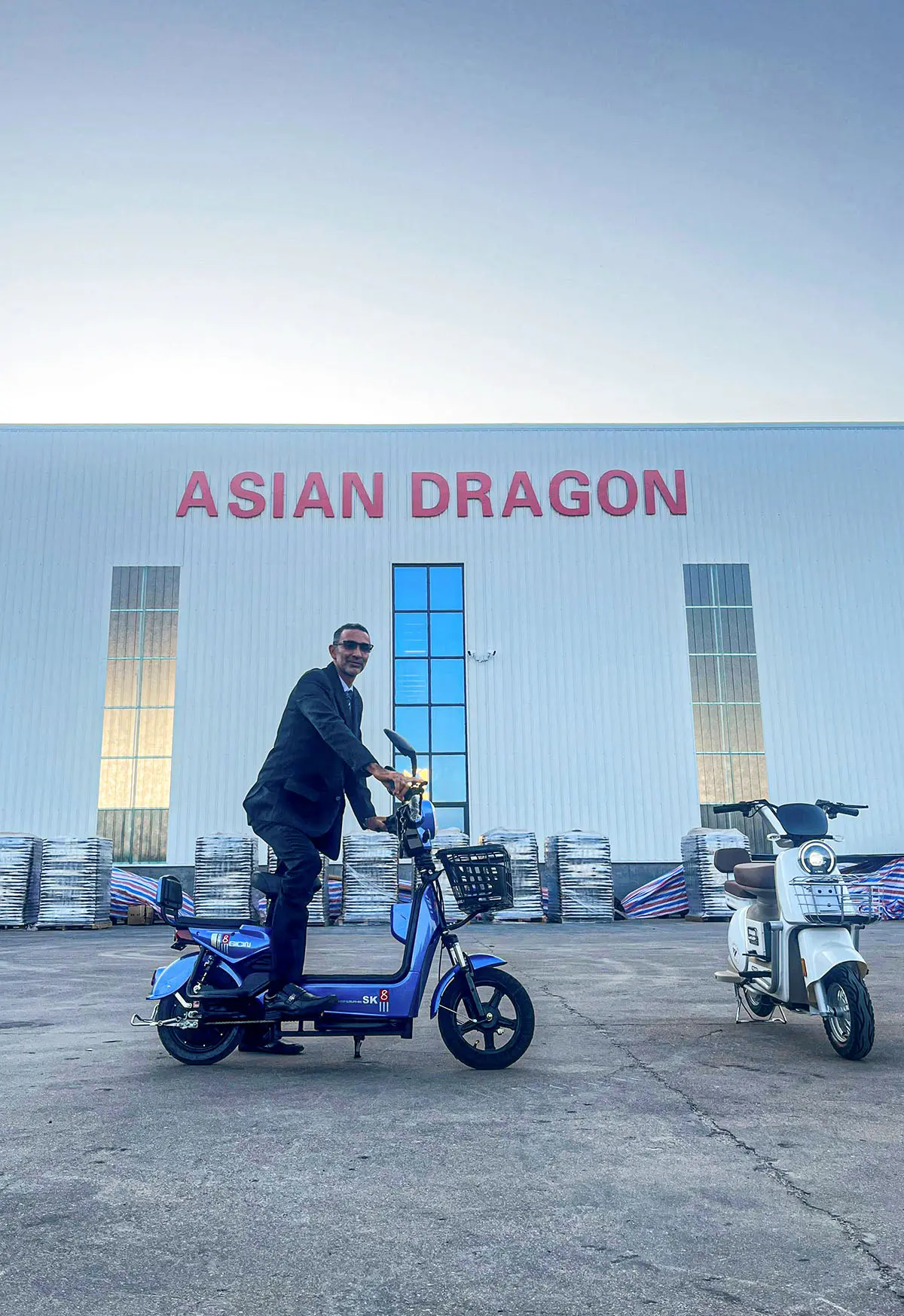
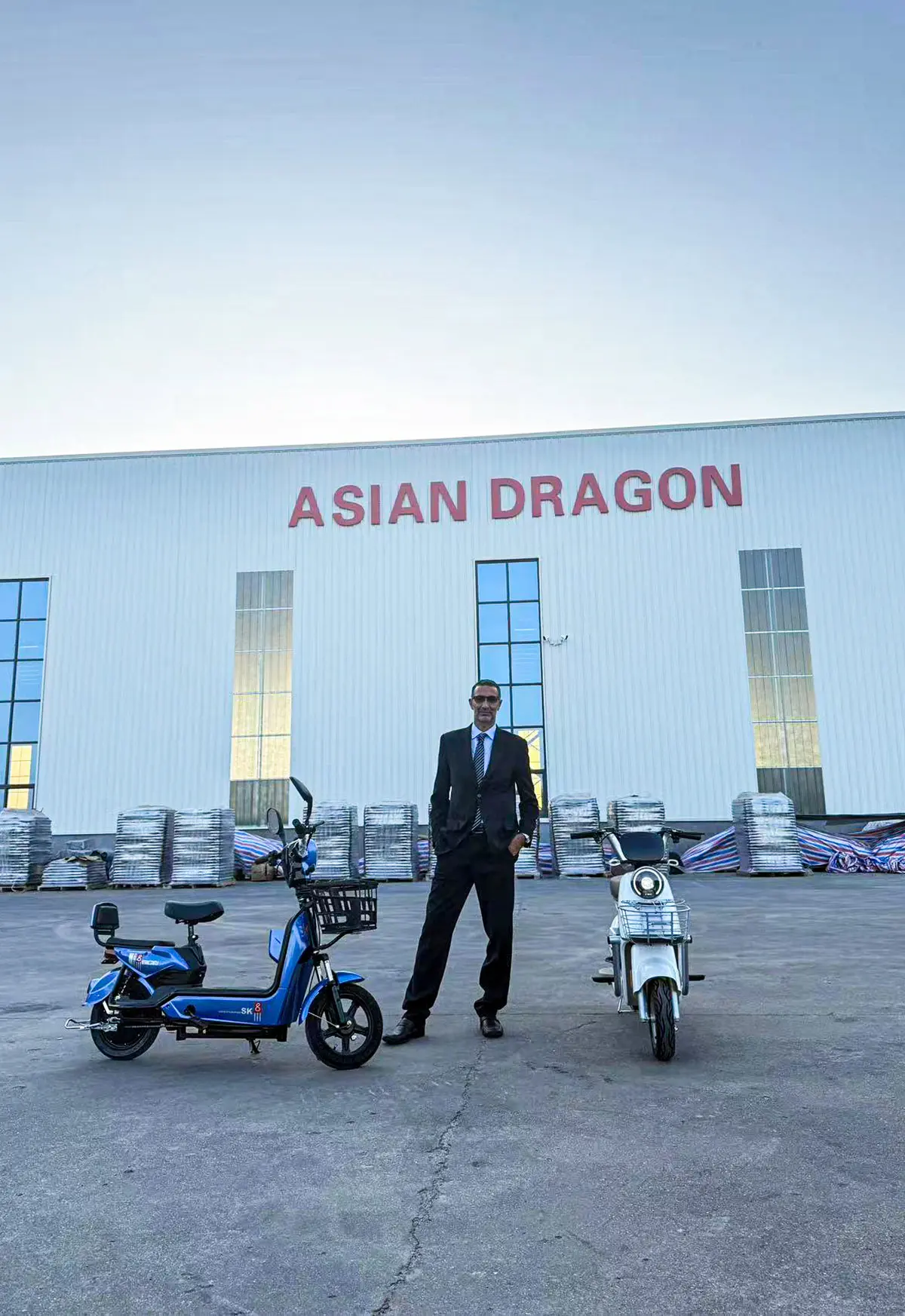
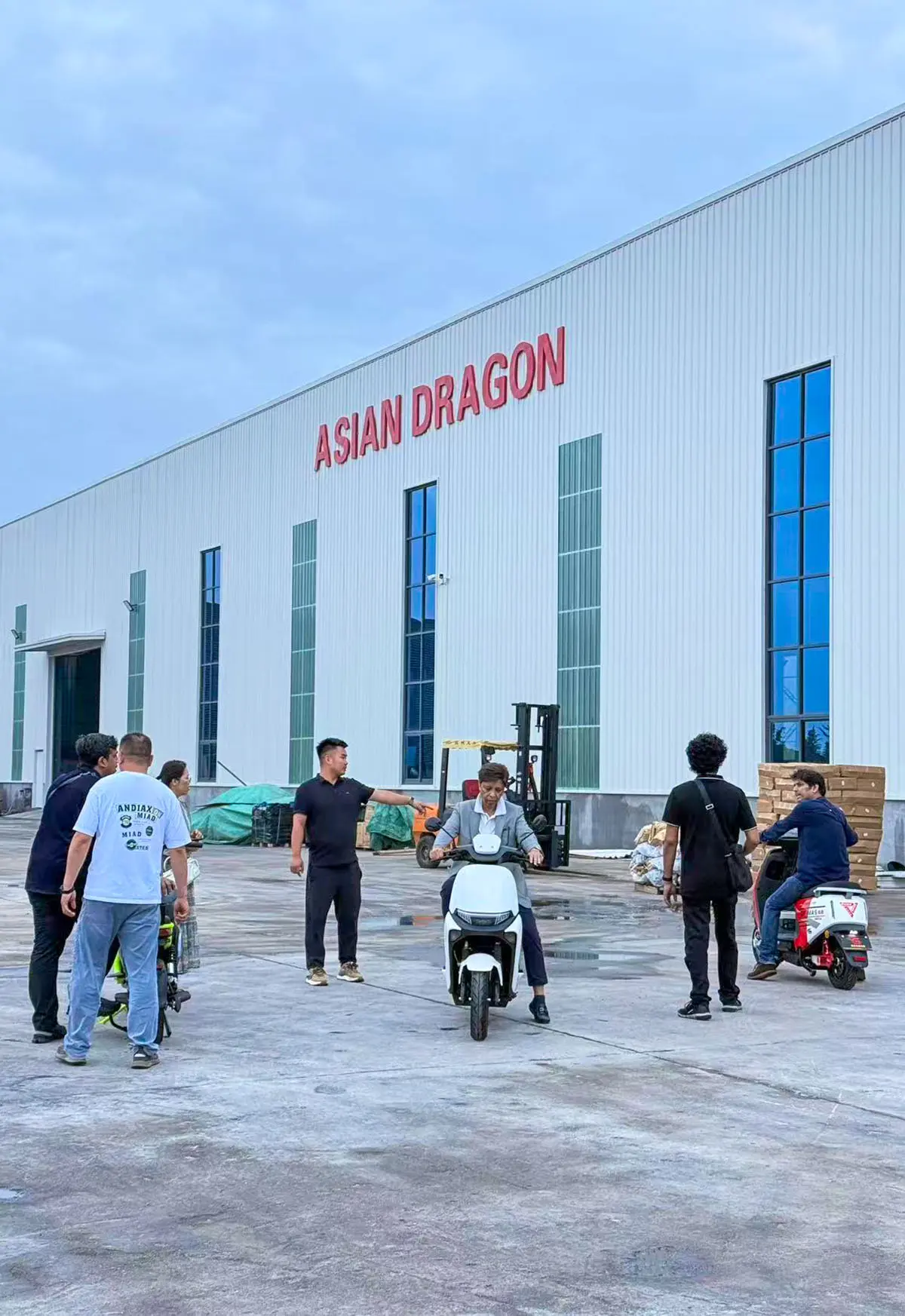
In the electric vehicle landscape, Chinese manufacturing zones represent more than just raw scale. They offer deep integration across the entire components ecosystem. At Linyi Fulong New Energy Co., Ltd., our Factory 4.0 infrastructure utilizes robotic assembly systems, automated powder-coating units, and computer-controlled dyno testing stations.

This concentration of components manufacturing—housing motor wound technologies, controller algorithm developers, and battery cell packers within a localized radius—helps reduce supply chain friction. Distributors benefit from shorter lead times, customized design options, and adaptable packaging setups like CKD (Completely Knocked Down) and SKD (Semi-Knocked Down) shipping models to lower import tariffs.

4. Specialized Sub-Sectors: Tailoring Vehicles to Target Demographics

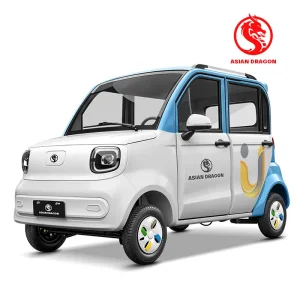
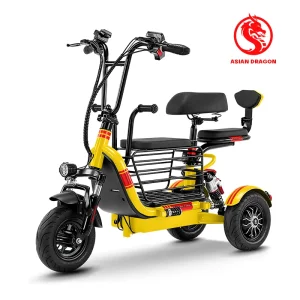
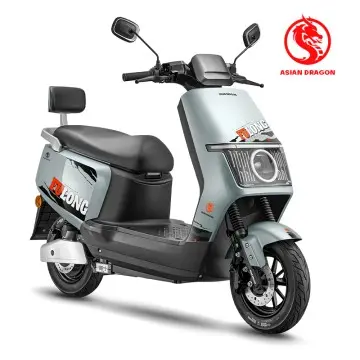
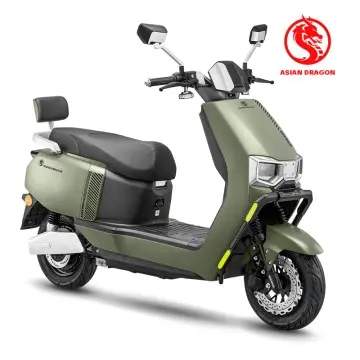
Every market demands distinct specifications. To optimize search queries and target commercial use cases, we segment our manufacturing capabilities across four specialized product types:

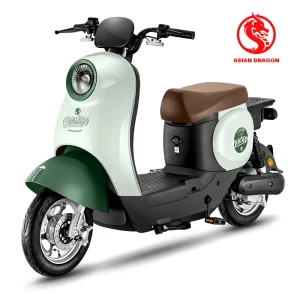
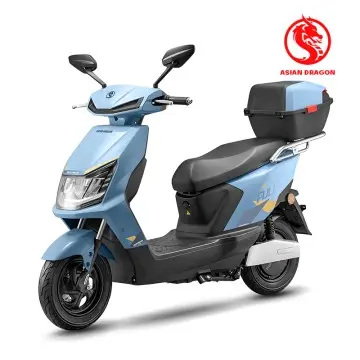
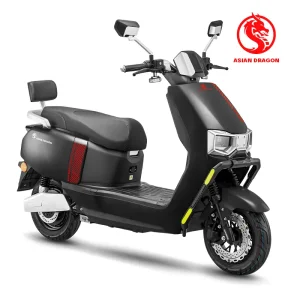
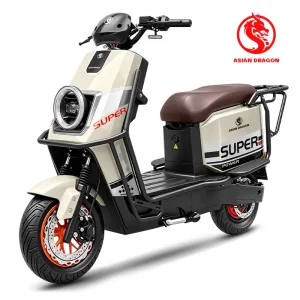
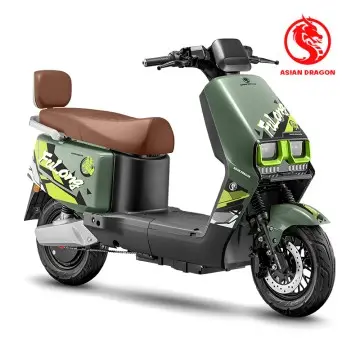
E-Motorcycles

Designed for urban riders and delivery professionals, featuring high-speed 48V-72V systems, robust torque profiles, and range ratings optimized for intercity highways.

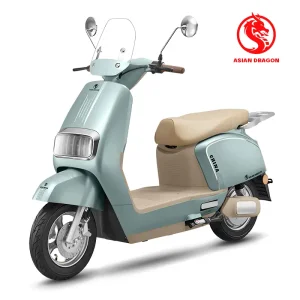
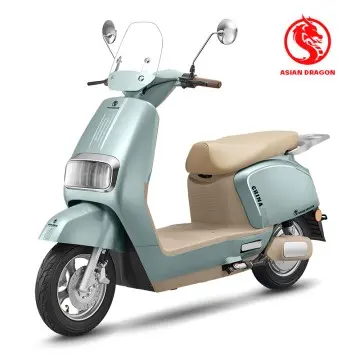
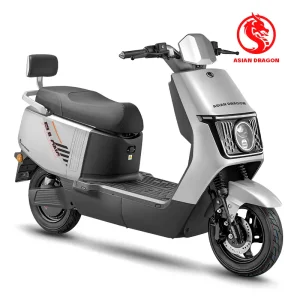
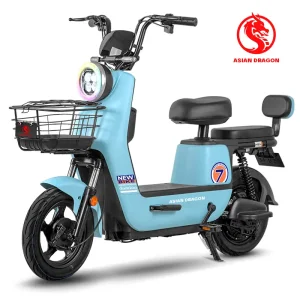
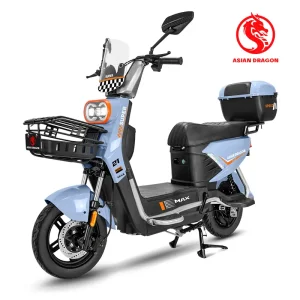
E-Scooters

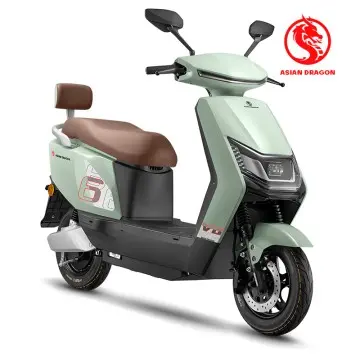
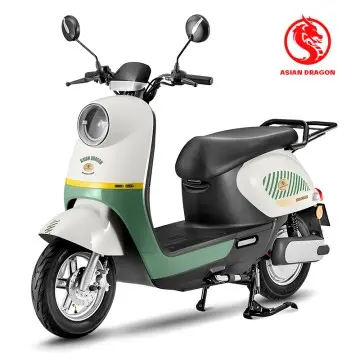
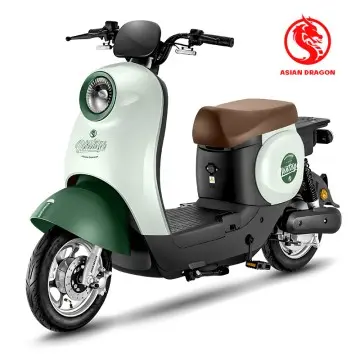
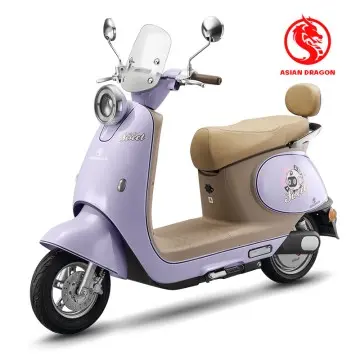
Fashion-forward commuting options built with compact geometries, step-through frames, intelligent dashboards, and anti-theft alarms for city riders.

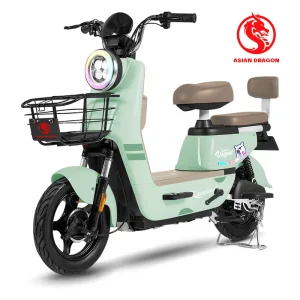
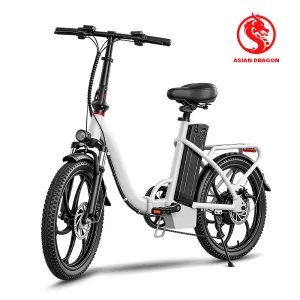
E-Bikes

Lightweight structures with pedal-assist sensors, fat tires for multi-terrain riding, and removable lithium battery packs, aligning with standard regional electric bike classifications.

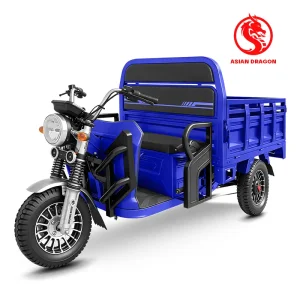
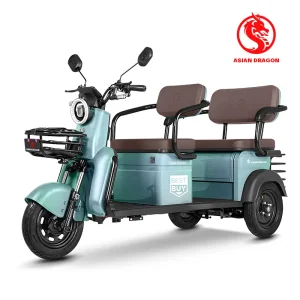
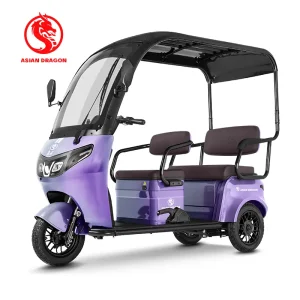
E-Tricycles

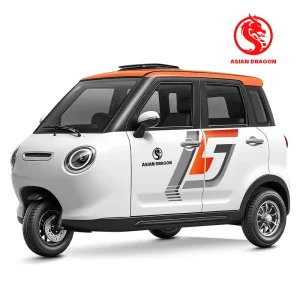
Designed for family transport or cargo delivery, equipped with high-torque differential motors, weather-resistant structural canopies, and spacious passenger seating.

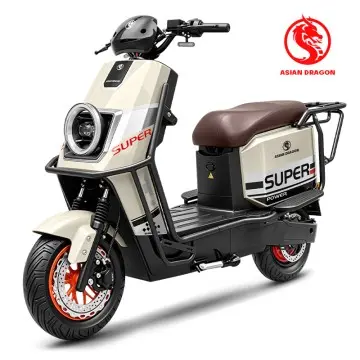
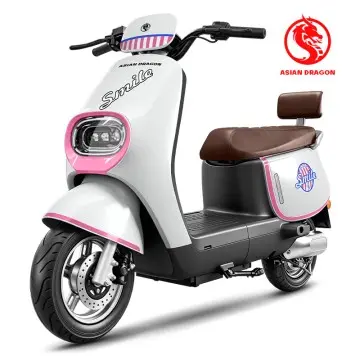
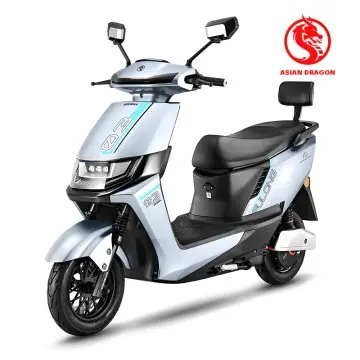
Original Factory Model Showcase

A comprehensive overview of our production variants, highlighting customizable configurations from our core design database.
Technical FAQ & Purchasing Advisory

Direct technical explanations addressing B2B customization, compliance, and import logistics for global electric vehicle buyers.

Q1: What are the minimum order quantities (MOQ) and production lead times for wholesale sourcing?
Our standard MOQ for wholesale electric motorcycles and trikes starts at one 20GP container, which typically accommodates 24 to 36 assembled units depending on the model's dimensions. For CKD (Completely Knocked Down) shipping, the capacity can increase to 100+ units. Standard production lead times average 20-30 days from deposit receipt, depending on custom requirements.
Q2: How does the factory handle battery configurations and ensure safety during shipping?
We provide both lead-acid and lithium battery options (NMC/LiFePO4) with custom capacities (48V, 60V, 72V). All battery packs feature an integrated BMS to monitor cell voltage and temperature. For global transport, our lithium battery systems comply with UN38.3 packaging standards, accompanied by MSDS reports to ensure smooth logistics clearance.
Q3: Can we customize the frame structure, branding, and motor controllers for specific markets?
Yes, our design and engineering team supports complete OEM/ODM customization. Importers can customize motor performance ratings, controller configurations, exterior paint styling, brake lines, and add specific brand labels. We also offer customization for local speed-limiting laws (e.g., restricted to 25 km/h for European e-bike regulations).
Q4: What compliance documentation is provided for importing into Europe and the Americas?
We supply necessary certification dossiers based on your target region. For the European Union, we offer CE, RoHS, and EN15194 compliance documents for electric bicycles, along with EEC/COC certifications for road-going electric scooters and motorcycles. For North America, we provide DOT-compliant lighting and vehicle identification setups.
Q5: How does CKD/SKD shipping optimize import duties for industrial buyers?
Shipping fully assembled electric vehicles (CBU) can attract high import duties in several regions. We offer SKD (Semi-Knocked Down) and CKD (Completely Knocked Down) formats to help buyers import vehicles under lower tariff categories (like component parts rather than finished automobiles), while optimizing container space to reduce sea freight costs.
Q6: What quality inspection processes are performed before shipment?
Every vehicle undergoes a structured inspection procedure before leaving our factory. This includes chassis load testing, computerized battery cycle testing, brake responsiveness analysis, high-pressure water spray tests to verify electrical sealing, and dynamic road tests to check control and stability.
Q7: How are spare parts and warranty claims managed for international partners?
We provide a 1-2% allotment of free wear-and-tear spare parts (such as tires, brake pads, bulbs, and plastic panels) with each container order. Major components like motors, controllers, and batteries are covered under our structured warranty policy. In the event of a quality issue, we ship replacement parts via express courier after review.
Q8: Are the electric tricycles suitable for heavy-duty commercial cargo deliveries?
Yes, our heavy-duty electric cargo trikes are designed specifically for urban logistics. They feature high-torque differential motors (typically 800W to 1500W), reinforced steel leaf spring suspensions, dual-ratio transmissions for climbing steep inclines, and weatherproof enclosed cargo boxes to protect goods during transport.