Explore our high-performance fleet designed for international logistics, urban travel, and sustainable micro-mobility networks.
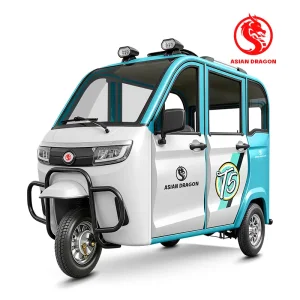
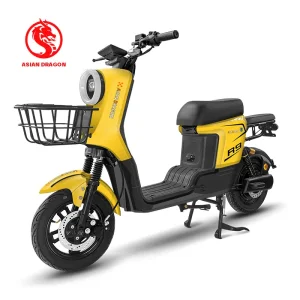
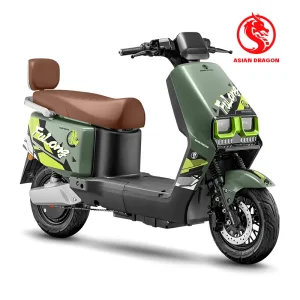
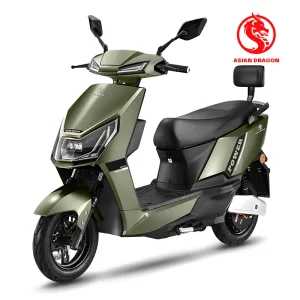
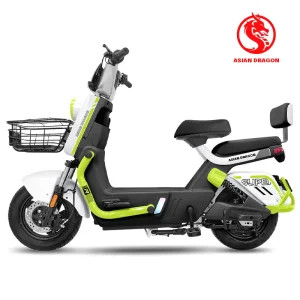
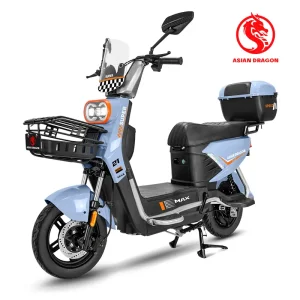
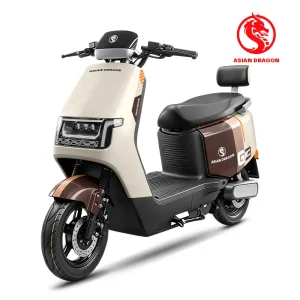
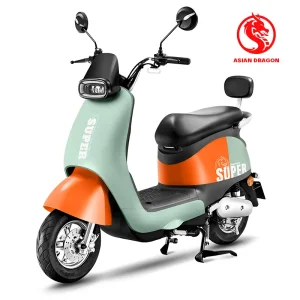
Within the rapidly evolving global micro-mobility ecosystem, selecting a reliable manufacturer is no longer just about calculating cost per unit. The market has reached a critical inflection point where safety parameters, battery stability, and supply chain audit trails dictate commercial success. As governments enforce tighter restrictions on lithium battery transportation and usage, procurement leaders must prioritize compliance, performance stability, and active protection architectures.
"Safety is the ultimate indicator of engineering integrity. A single thermal incident can compromise brand equity, invite intense regulatory scrutiny, and disrupt operations worldwide."
Linyi Fulong New Energy Co., Ltd. has established itself as an industry leader by focusing on systematic fail-safes. We bridge the gap between regulatory mandates and mass-production efficiency, delivering vehicles engineered to mitigate critical risks while offering premium range and ride quality.
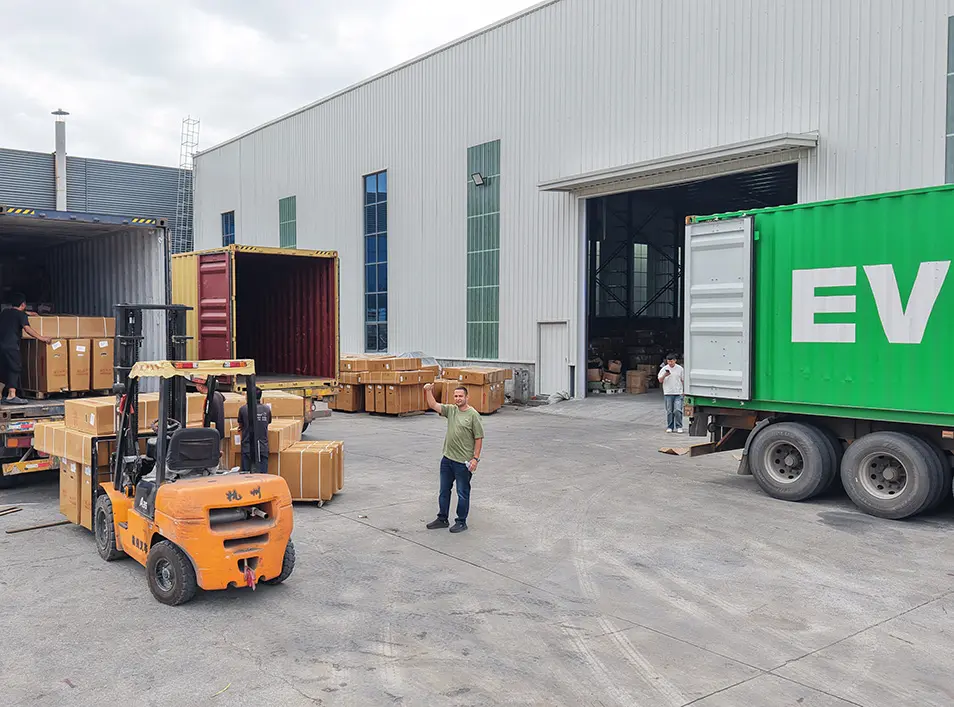
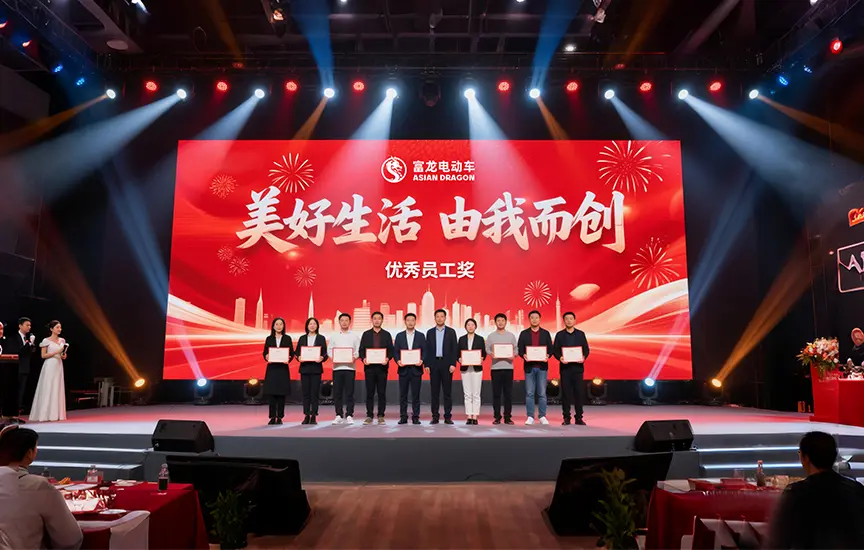
Founded with a dedication to manufacturing excellence, Linyi Fulong New Energy Co., Ltd. has grown into an integrated enterprise combining R&D, precision manufacturing, and international distribution networks. We produce high-performance electric two-wheelers and three-wheelers, managing the entire production cycle from structural chassis fabrication to electronic control integration.
Our operation is built on two core principles: Customer First, Quality First. We combine strict testing protocols with a highly responsive OEM/ODM model. This allows us to serve varied client requirements—whether configured for heavy-duty cargo delivery, rugged rural terrain, or high-density urban transport.
Analyzing the engineering vectors driving our micro-mobility safety systems and power efficiency programs.
Our next-generation Battery Management Systems (BMS) utilize proprietary machine learning algorithms running locally on vehicle microcontrollers. They actively monitor cell temperature, voltage deviation, and internal resistance. This detects microscopic cell faults and halts power delivery milliseconds before any potential thermal anomaly occurs.
We are transitioning our mid-to-high tier fleets to Lithium Iron Phosphate (LFP) and pioneering Sodium-ion chemistries. Sodium-ion batteries provide exceptional thermal stability and eliminate dependence on scarce cobalt. They also maintain discharge performance down to -20°C, ensuring reliable operation in northern climates.
Every vehicle supports integration with cellular IoT modems and CAN-bus architectures. This allows fleet operators to read real-time diagnostics, track localization, monitor battery degradation profiles, and push over-the-air (OTA) safety firmware updates to millions of connected units simultaneously.
| Technology System | Current Specification Baseline | 2025-2026 R&D Target Horizon | Primary Safety Benefit |
|---|---|---|---|
| Battery Pack Architecture | IP67 Enclosure with LFP Cylindrical Cells | IP68 Hermetically Sealed Sodium-ion Arrays | Elimination of thermal runaway propagation risks. |
| BMS Communications | Standard I2C/SMBus Protocols | Redundant CAN-bus with Edge Data Logging | Microsecond isolation of damaged parallel cell groups. |
| Braking Control | Front & Rear Hydraulic Discs + Standard EBS | Cornering-Aware Regenerative Intelligent Braking | Prevents locking on wet surfaces while recycling kinetic energy. |
| Chassis Engineering | Robot-Welded Carbon Structural Steel | Hydroformed Aircraft-Grade Aluminum Alloy | Lighter gross weight with 35% higher yield strength. |
Operating a 20,000m² factory floor in Linyi, China, we leverage local supply chain density to optimize raw material procurement, processing speed, and quality control. This concentration allows us to maintain direct oversight of every step in the production line, keeping lead times consistent even during global logistics bottlenecks.
By automating frame cutting, automated robotic welding, and electrostatic powder coating, we ensure that every chassis produced meets strict load tolerances. Hand welding is reserved for specialized custom mounts, which are verified using non-destructive ultrasonic testing.
Our quality assurance workflow requires that every component undergoes rigorous environmental testing, including salt spray testing to prevent oxidation, chassis vibration analysis to simulate ten years of usage, and battery cell lifecycle testing to verify capacity retention.
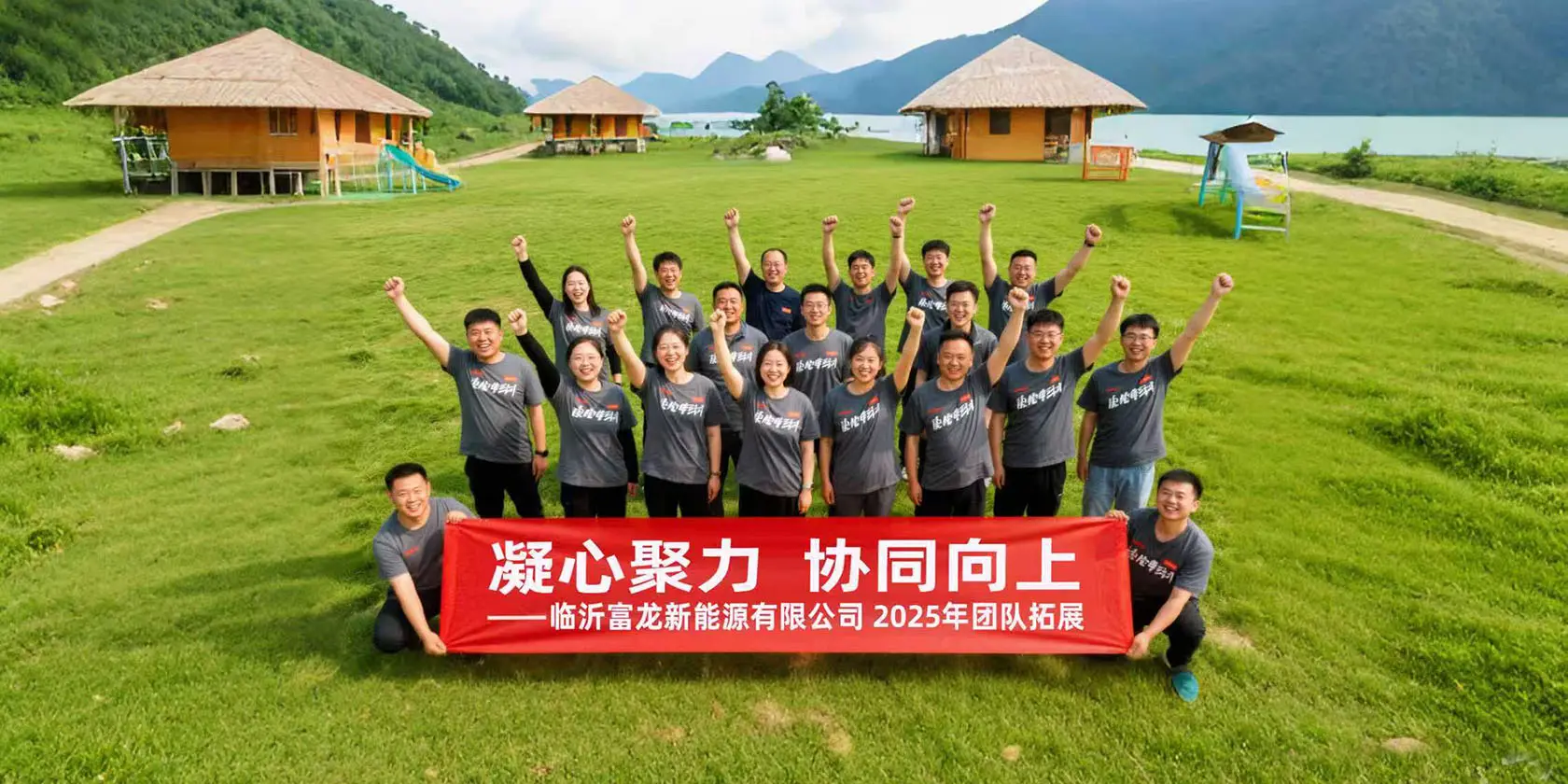
Global carbon emission reduction strategies require cities to change their urban mobility patterns. Fleet managers and logistics organizations are transitioning their vehicles from gas-powered internal combustion engines to electric powertrains. However, this transition is only successful if the technology remains safe and reliable over years of daily service.
Linyi Fulong New Energy Co., Ltd. works directly with municipal planners, postal services, and logistics companies to integrate micro-mobility assets into existing transportation infrastructure. By manufacturing vehicles with modular utility boxes, standard charging connections, and adaptable cargo beds, we make it simple for companies to convert their delivery fleets to electric power.
Our vehicles are designed to withstand high-duty cycles. They offer reliable solutions for last-mile logistics, rural postal delivery, and passenger transit. Because these vehicles are built to last, they lower total cost of ownership (TCO) and reduce electronic waste, supporting long-term sustainability goals.
Navigating the complex landscape of international regulatory standards is a primary challenge for B2B importers. Our compliance engineering department ensures that our production lines meet the specific legal standards of the countries where the vehicles will be operated.
From the European Union's EN 15194 standard for EPACs to the United States' UL 2849 safety standards for electrical systems, we conduct pre-compliance verification for every target market. For electric motorcycles and passenger trikes, we support the European Union's EEC/CoC (Certificate of Conformity) and DOT certification protocols in North America. This preparation simplifies the customs clearance and road-registration processes for import partners.
We work with international logistics providers to secure UN 38.3 test reports for our battery packs, allowing for legal and compliant transport by sea or air. Additionally, we assist clients with local customs requirements, import duties, and local emissions declarations.
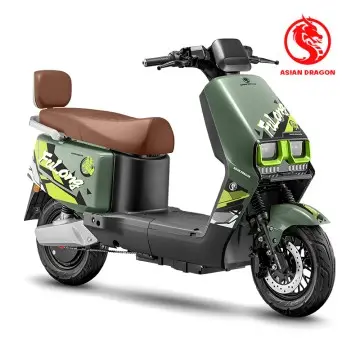
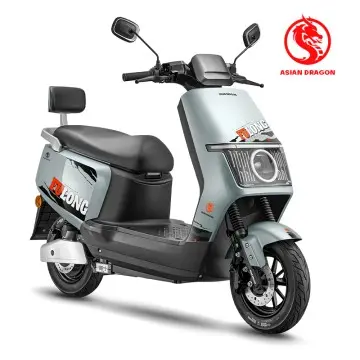
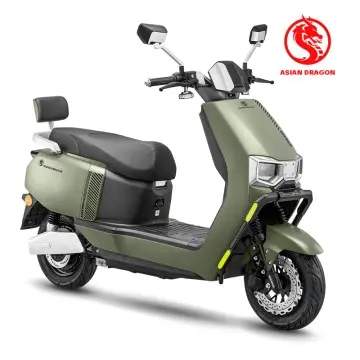
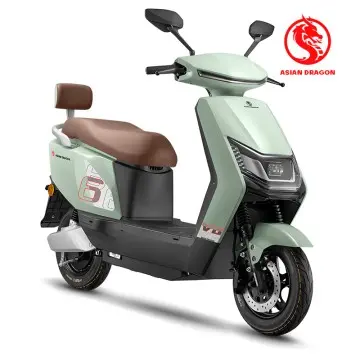
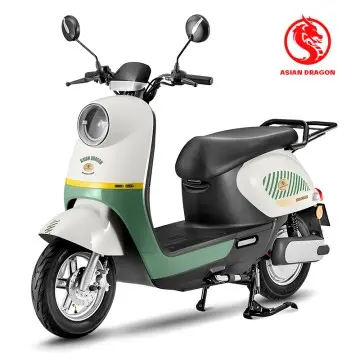
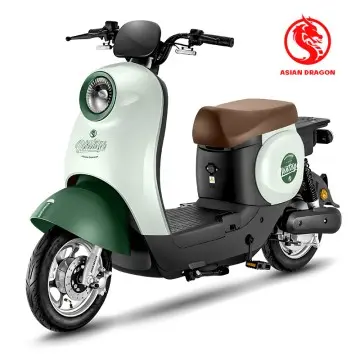
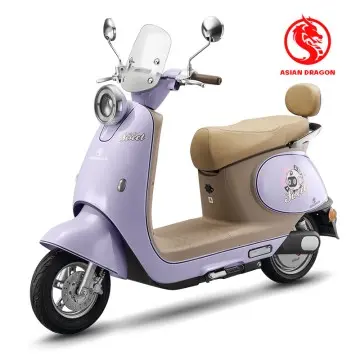
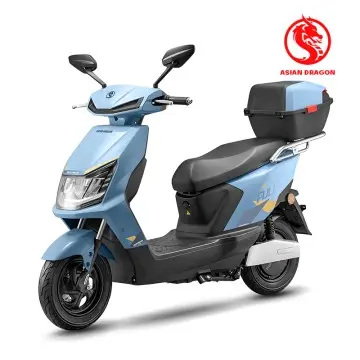
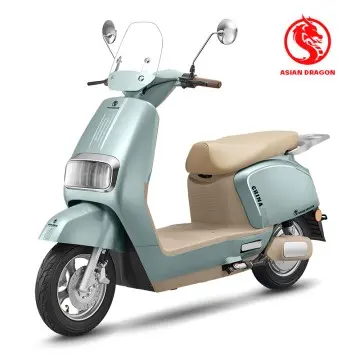
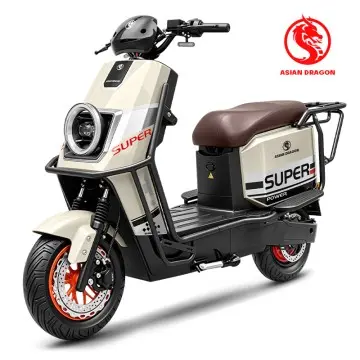
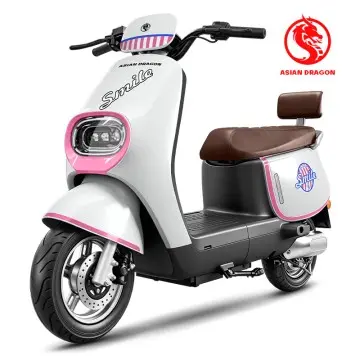
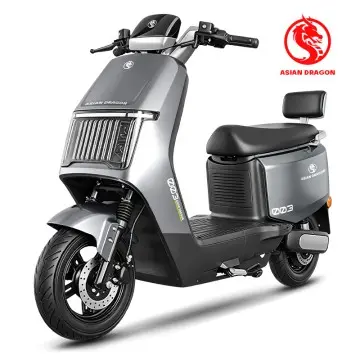
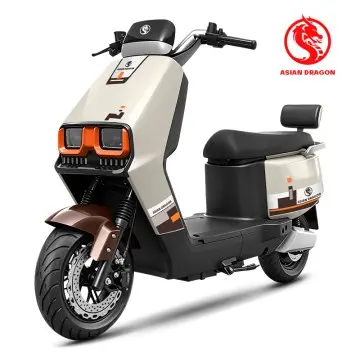
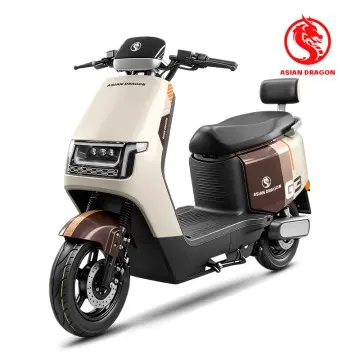
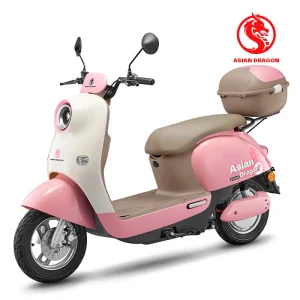
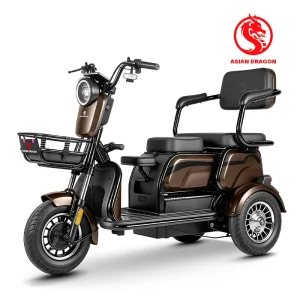
Custom designs based on user demographics, making it easy to find the perfect fit for you. Commuters get matched with long-lasting batteries, families with children find roomier seats, and short-distance commuters have lightweight options available, ensuring everyone finds their ideal and practical electric bike.

Expert insights regarding battery safety, international compliance, customization, and factory operations.
Our battery safety protocol is split into three levels: chemical, electrical, and structural. We source our cylindrical cells from trusted tier-one manufacturers who perform extensive cycle testing. Every cell group is separated by flame-retardant polycarbonate brackets, preventing a single cell fault from spreading to neighbors. Additionally, our Battery Management System (BMS) actively monitors individual cell strings, allowing it to cut off power in milliseconds if it detects voltage or temperature anomalies.
Our exports are configured to meet target market regulations. For the European market, our electric motorcycles are homologated to EEC/CoC standards, and our pedal-assist models conform to EN 15194. For North American imports, we design our electronic systems to meet UL 2849 standards, and we verify our battery packs to UL 2271. We provide full documentation packages, including EMC test reports and CE declarations, to ensure straightforward customs clearance.
Yes, we offer complete OEM and ODM design customization. We can adjust motor power, battery capacities, and controller programming to meet local regulations (such as configuring a 25 km/h limit for EU e-bikes or 20 mph for US Class 2 vehicles). We also develop specialized load-bearing frames, heavy-duty cargo boxes, and custom frame colors to match your brand's fleet requirements.
Our standard production turnaround is 30 to 45 days after deposit confirmation, depending on customization levels. Located in Shandong Province, we operate within a dense regional manufacturing cluster. We source our raw steel, aluminum alloys, and control modules locally, reducing our exposure to international supply chain disruptions and keeping our pricing highly competitive.
We build our frames from high-yield carbon steel and aviation-grade aluminum alloys. All structural joints are welded using robotic systems to maintain uniform bead depth and strength. After fabrication, production samples are placed on our hydraulic stress testers, undergoing hundreds of thousands of cycles to simulate the vibrations and impacts of long-term commercial delivery use.
We comply fully with international regulations for transport of dangerous goods. Our battery packs carry UN 38.3 test certification, confirming they have passed vibration, thermal, impact, and external short-circuit testing. We package the batteries in certified Class 9 hazard containers and work with experienced logistics partners to ensure safe delivery by sea, rail, or air.
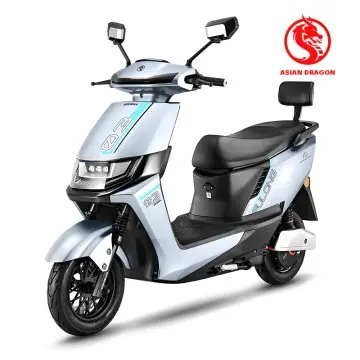
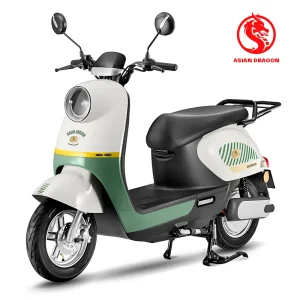
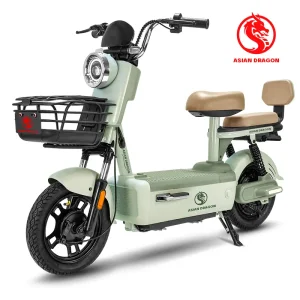
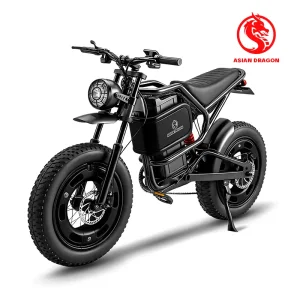
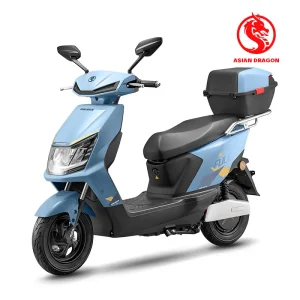
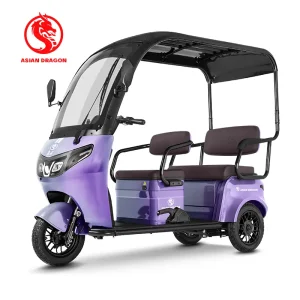
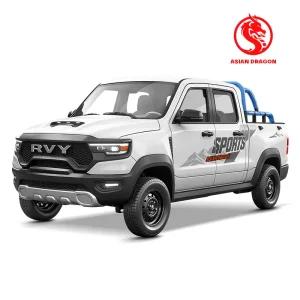
Engineered for high efficiency, urban delivery routes, and diverse terrain capabilities.
 Asian Dragon