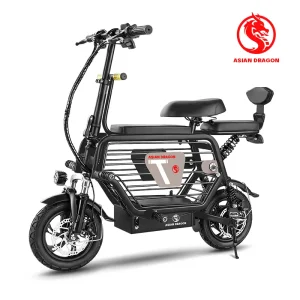
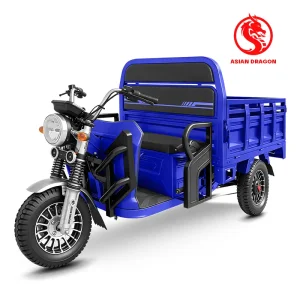
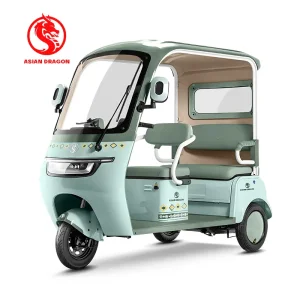
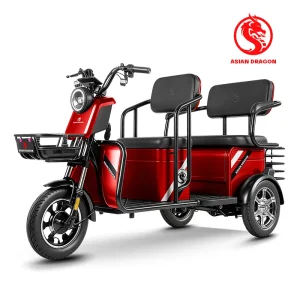
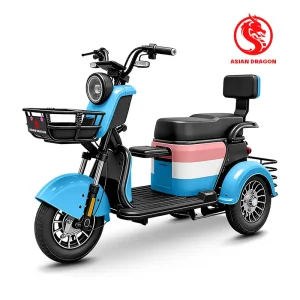
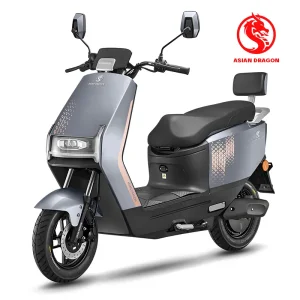
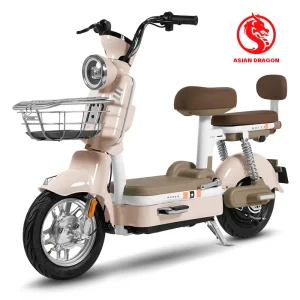
Explore our state-of-the-art catalog of electric bicycles, trikes, and commuter motorcycles engineered for performance and utility.
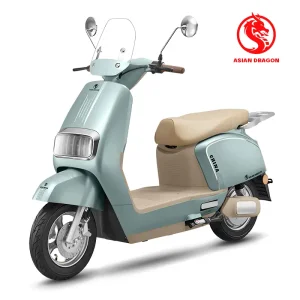
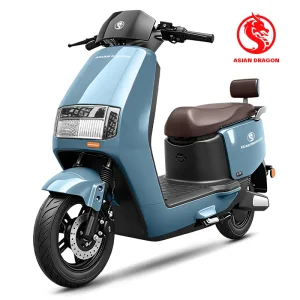
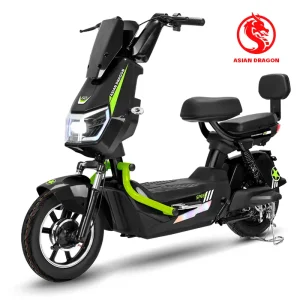
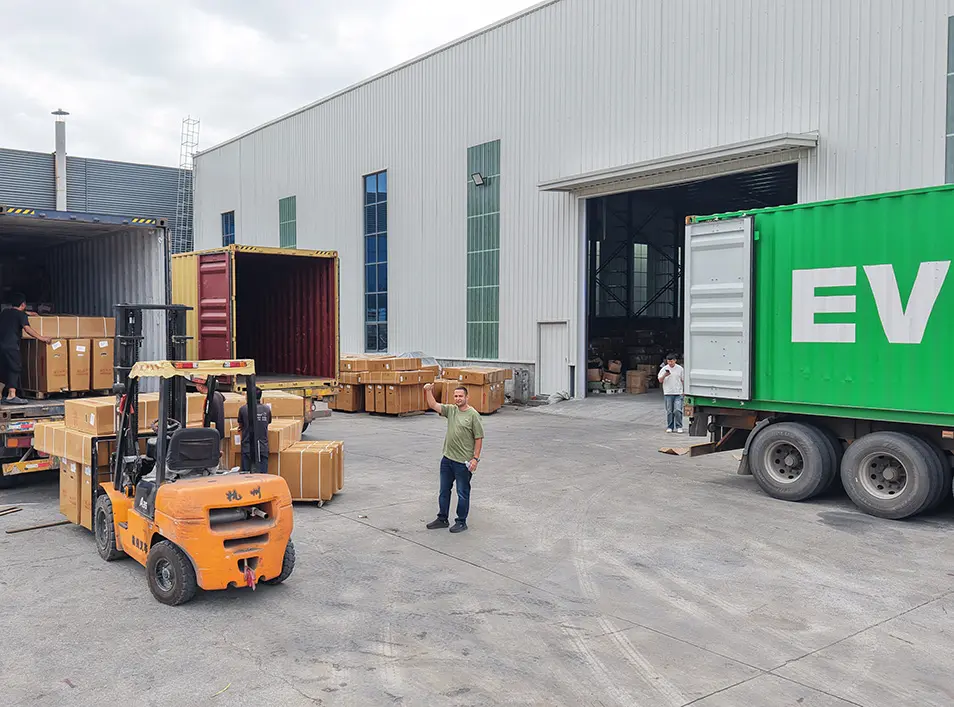
Established in 2017, Linyi Fulong New Energy Co., Ltd. has developed into a comprehensive enterprise integrating the R&D, production, and sales of electric two-wheelers and three-wheelers. With a complete and highly integrated industrial chain, the company possesses an annual production capacity exceeding 500 thousand units, exporting state-of-the-art vehicles to more than 90 countries and regions worldwide.
In an increasingly competitive global market, we consistently prioritize "customer first, quality first" as our core operating principle. This philosophy guides every link of our business development, ensuring we select premium raw materials, implement strict quality inspections, and integrate cutting-edge robotic automation on the production floor.
Customized designs based on user demographics—matching commuter demands with high-capacity batteries and families with robust cargo spaces.
Compliance-first manufacturing optimized for international markets, matching safety and performance regulations across Europe, the Americas, and APAC.
The global transport industry is undergoing a monumental paradigm shift. As urban centers become denser and the demand for zero-emission last-mile logistics grows, the micro-mobility sector has transitioned from a recreational market to a crucial pillar of municipal and industrial logistics. At the heart of this revolution is the Lithium-ion Electric Bike (Li-E-Bike). Characterized by high energy density, extended lifecycle, and weight efficiencies, lithium power systems have almost entirely supplanted legacy lead-acid technologies.
Traditional lead-acid batteries yield around 30-40 Wh/kg, whereas modern Lithium Nickel Manganese Cobalt (NMC) and Lithium Iron Phosphate (LFP) chemistries range from 120 to over 250 Wh/kg. This translates to three times the range at less than half the structural weight, directly boosting vehicle dynamics and reducing frame fatigue.
In Europe, strict environmental regulations and subsidies for light electric vehicles (LEVs) have integrated electric cargo bikes and commuter e-bikes into daily workflows. The European Standard EN15194 sets rigorous guidelines for safety and performance, ensuring that imported electric bikes comply with functional safety and battery management rules.
In North America, the post-pandemic delivery boom has turned electric bikes into essential assets for courier networks and gig-economy drivers. The commercial vehicle demands in these areas lean heavily toward high structural durability, fast-charging capabilities, and heavy payload capacities. Concurrently, the APAC region relies on high-speed electric scooters and multi-passenger e-trikes to solve local passenger movement challenges in highly congested zones.
China remains the uncontested center of gravity for electric vehicle manufacturing. The structural efficiencies of Chinese E-Bike factories do not stem simply from labor capacity, but from highly evolved industrial clusters. In regions like Shandong (with Linyi at the core) and Jiangsu, the proximity of frame casting plants, brushless motor developers, advanced battery management system (BMS) programmers, and international deep-water ports creates an unparalleled ecosystem.
These clusters allow factories like Linyi Fulong New Energy Co., Ltd. to optimize raw material lead times and transition designs from concept to production rapidly. Automated welding lines, computer-controlled wheel lacing, and dynamic motor dyno-testing ensure that high output (exceeding 500,000 units annually) coexists with strict product consistency.
Direct integration with domestic lithium cell manufacturers ensures consistent cell sorting, high-quality BMS, and lower unit costs.
Every vehicle batch undergoes vibration testing, salt spray corrosion tests for chassis longevity, and dynamic battery drain analysis.
Offering optimized shipping configuration modes, including SKD (Semi-Knocked Down) and CKD (Completely Knocked Down) layouts to minimize shipping costs.
A single standard vehicle cannot address the complexities of international markets. Our factory utilizes Precision Matching protocols to modify frames, motor controller programming, and battery chemistry selections. This approach balances range, payload capacity, and price points to fit target demographics:
The next generation of electric micro-mobility will see deeper integration of IoT systems. GPS tracking, remote diagnostics, and smart battery lockouts are becoming standard requirements for fleet operators. Similarly, the industry is closely evaluating the deployment of Sodium-Ion chemistry alongside Lithium-Iron Phosphate (LFP) for regions facing extreme winter climates, where LFP performance tends to drop.
"In the future, the company will continue to take 'customer first' as the guide, listen to your needs, and constantly optimize products and services. Taking 'quality first' as the bottom line, we will provide you with reliable product guarantees and help your business development."
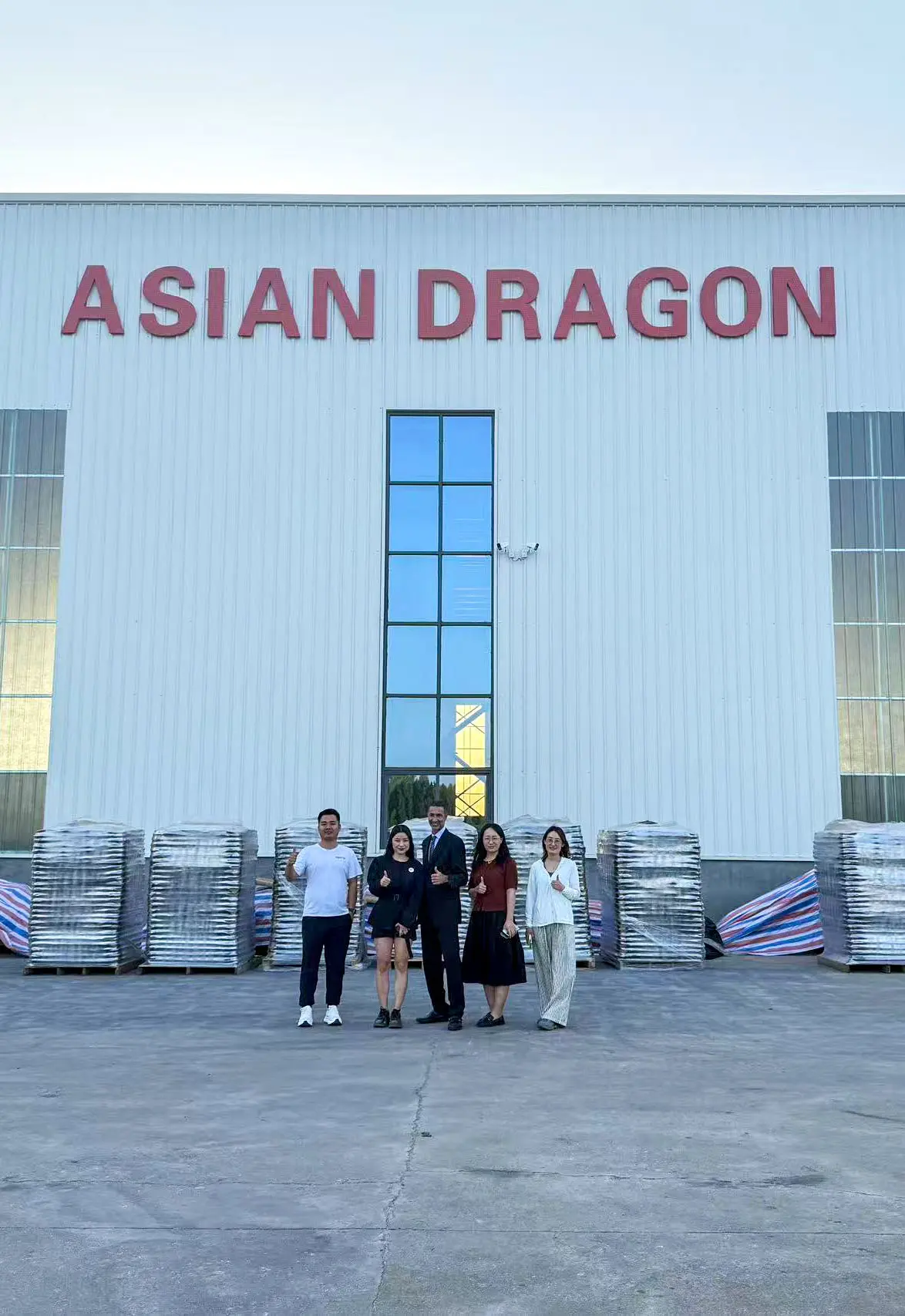
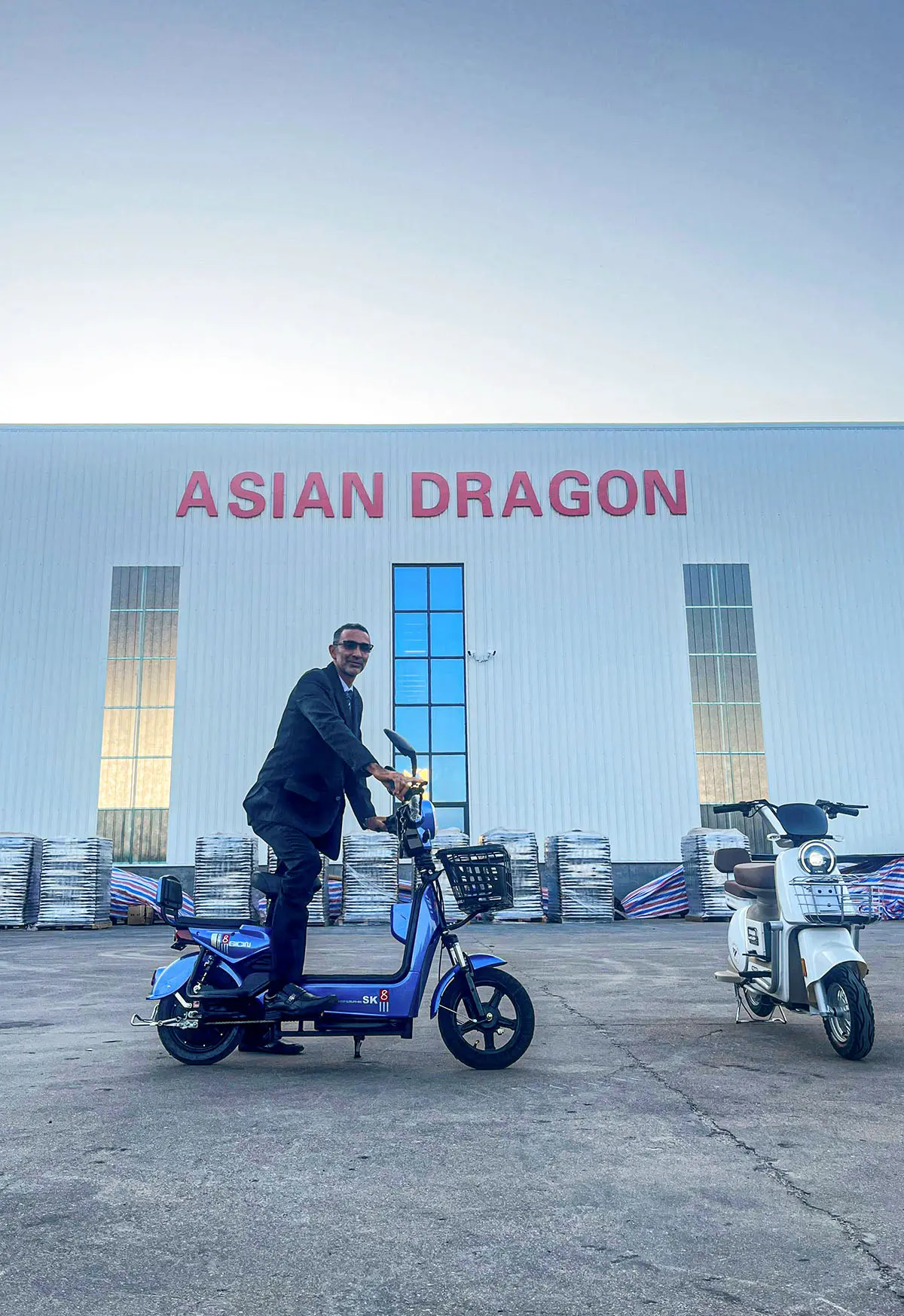
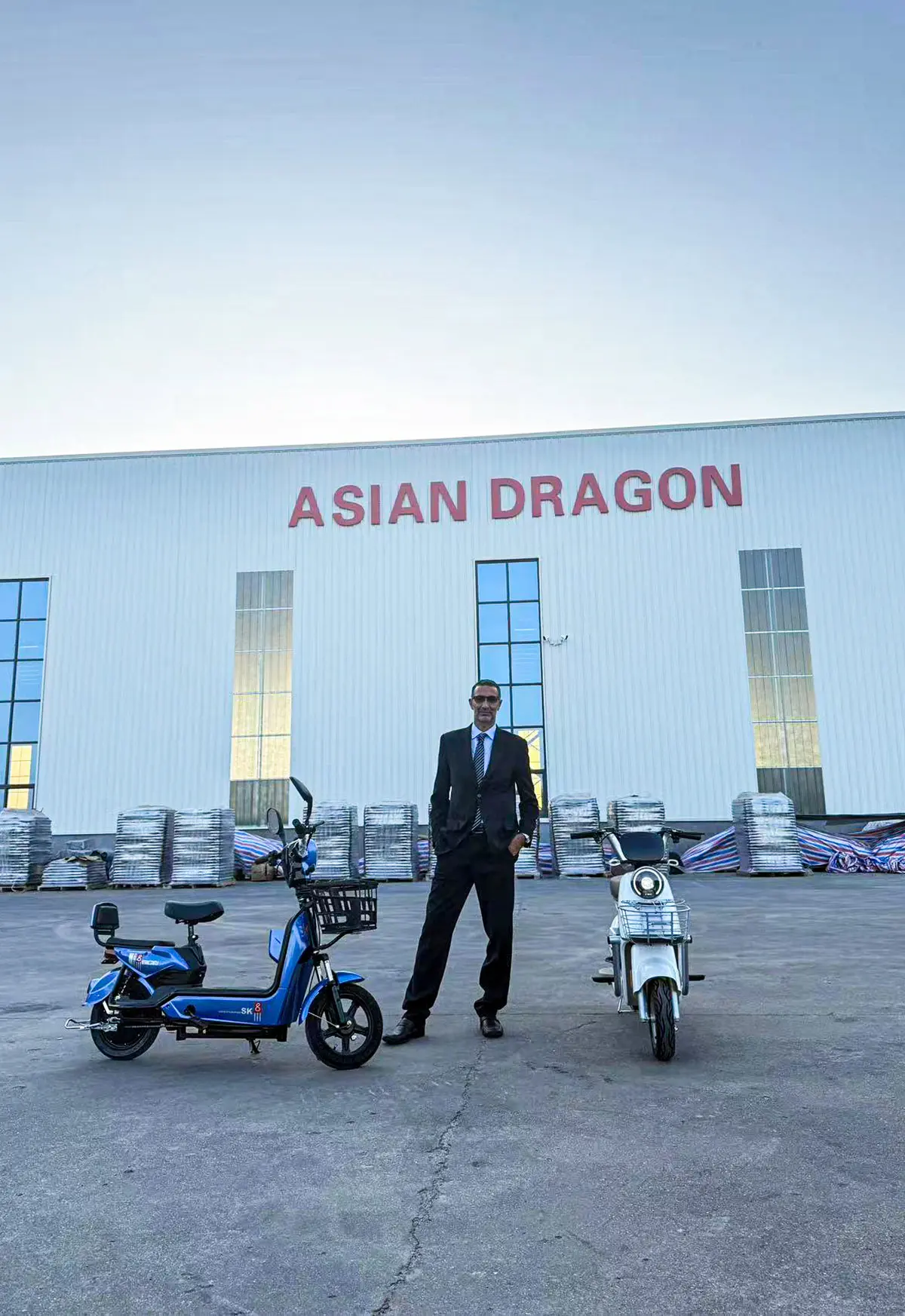
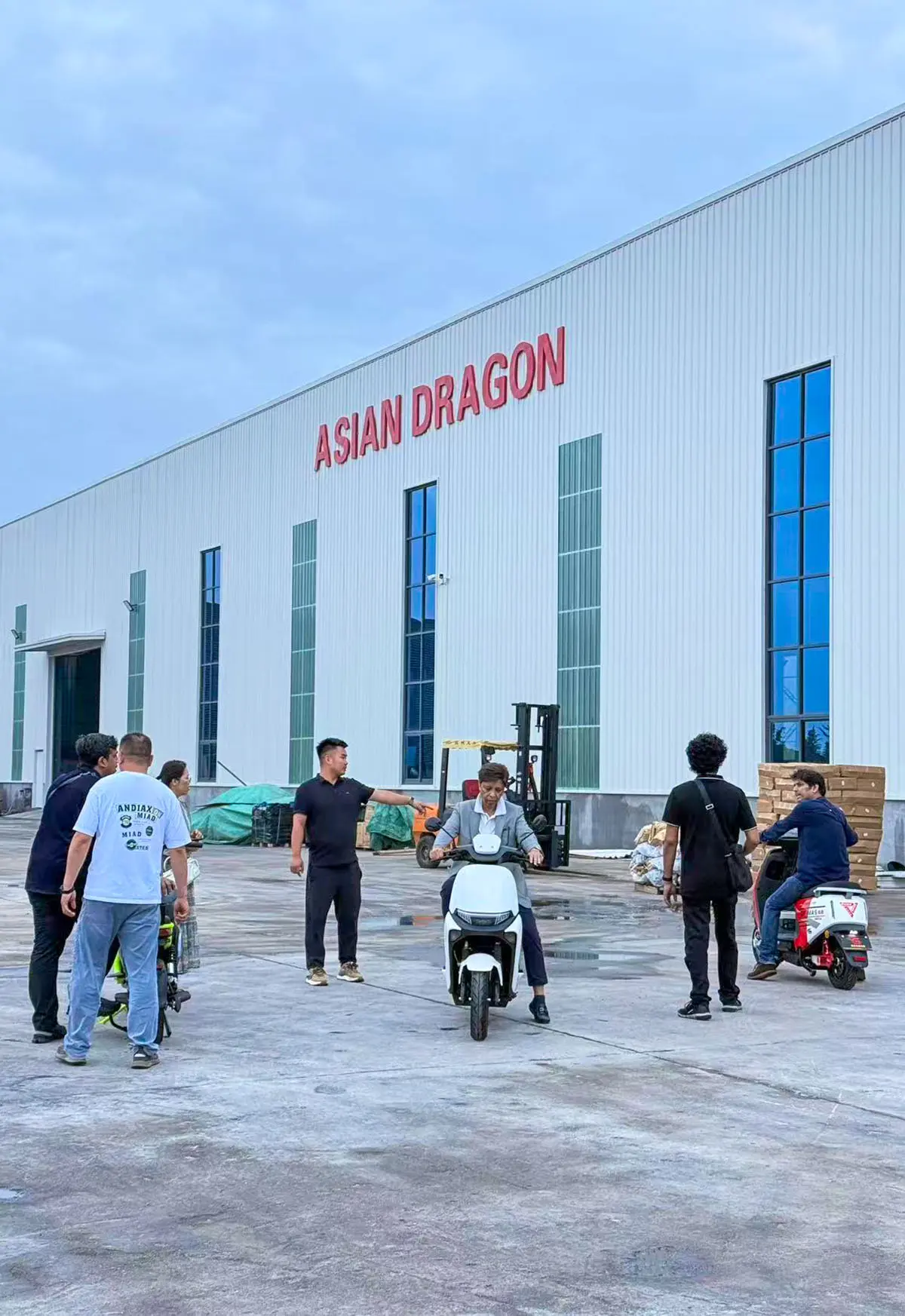
We welcome global partners to inspect our production facilities. A physical inspection reveals the precision of our assembly processes, the quality of our raw materials, and our commitment to safety.
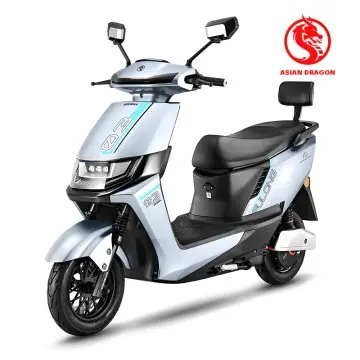
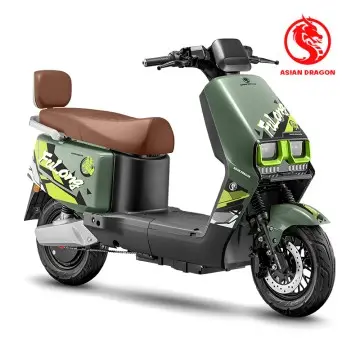
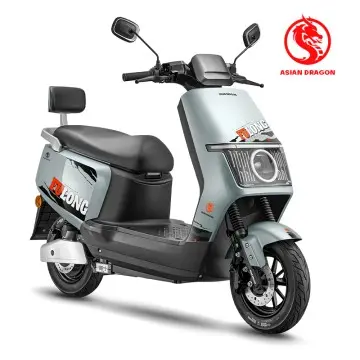
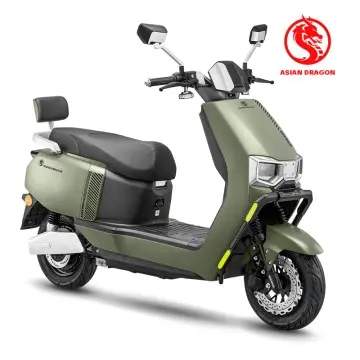
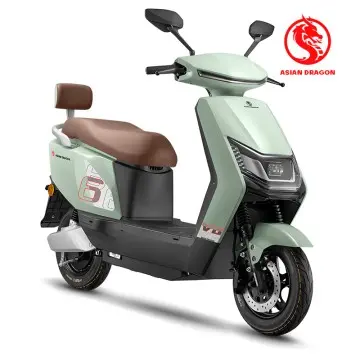
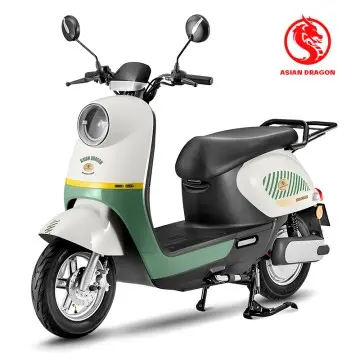
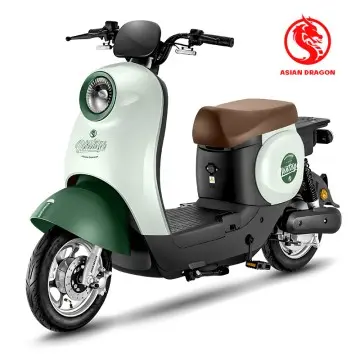
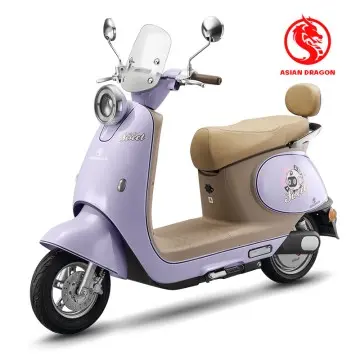
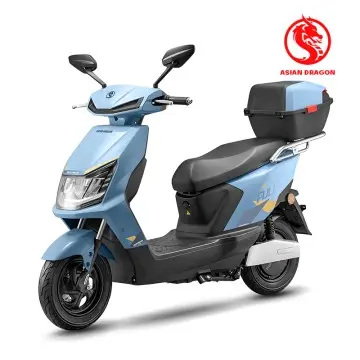
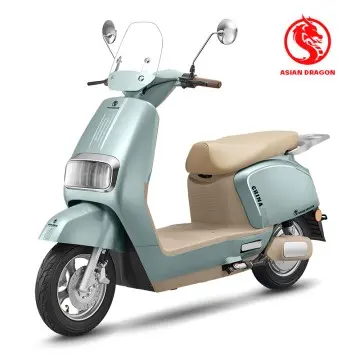
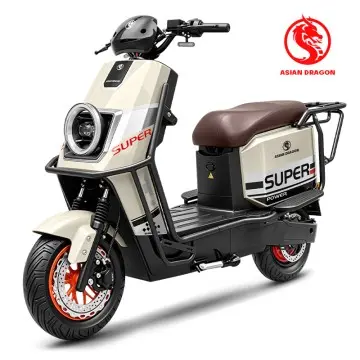
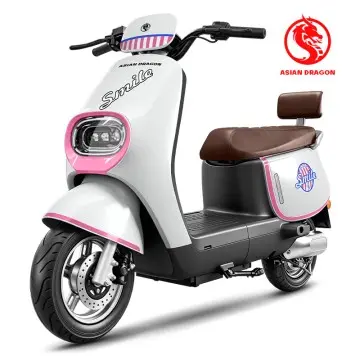
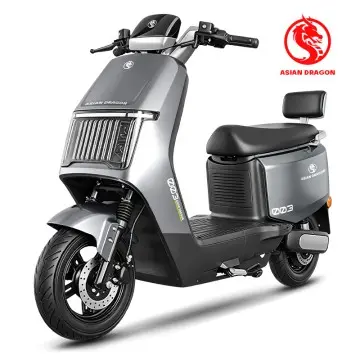
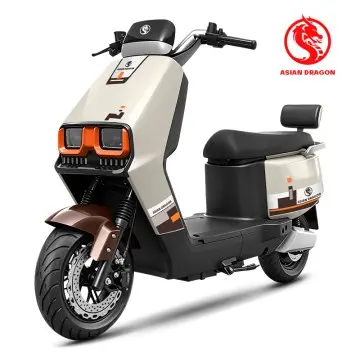
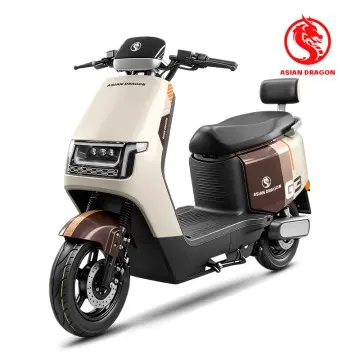
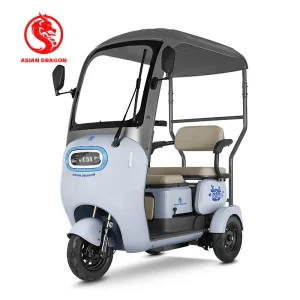
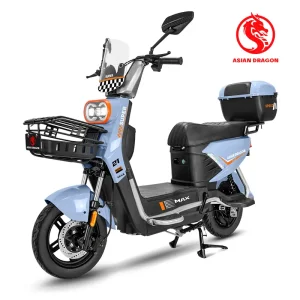
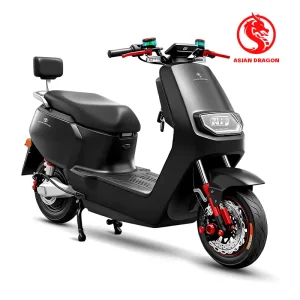
Select model designs available for high-volume custom production runs and cross-border trade export.

Expert technical and commercial answers for international distributors, wholesalers, and sourcing agents.
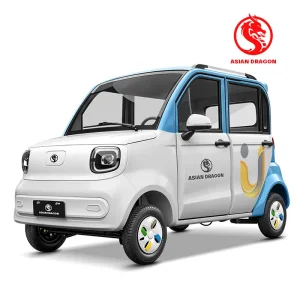
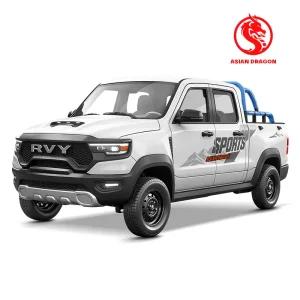
Select options from our international export fleet featuring electric scooters, passenger trikes, and heavy-duty utility vehicles.
 Asian Dragon