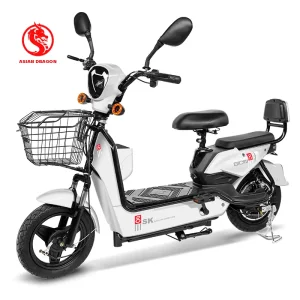
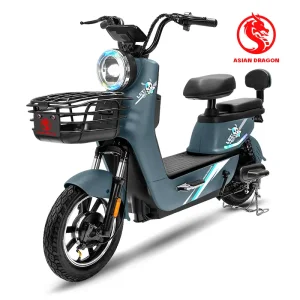
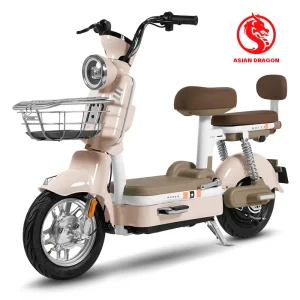
The European green transition has found one of its strongest allies in the Kingdom of Belgium. With its densely populated metropolitan zones, integrated transit networks, and an increasingly progressive regulatory framework, Belgium is currently experiencing a structural surge in the adoption of electric vehicles, specifically electric two-wheelers. The regional governments of Flanders, Wallonia, and the Brussels-Capital Region have rolled out extensive infrastructure expansions, such as the famous F3 cycling highway connecting Leuven to Brussels, and robust fiscal incentives. In Belgium, employees commuting on an e-bike can benefit from a tax-free cycling allowance of up to €0.35 per kilometer, causing corporate bicycle leasing models to skyrocket.
Operating in the Belgian market requires B2B importers, distributors, and fleet managers to closely evaluate local urban topographies and commuter habits. From the cobblestone alleys of historic cities like Bruges and Ghent to the hilly terrains of Wallonia’s southern provinces, an e-bike must balance durability with modern aesthetic appeal. Heavy rains and cold winter weather demand high-standard IP-rated waterproofing on all electrical components, wiring harnesses, and battery integrations.
Furthermore, the rise of B2B delivery companies (such as food couriers, last-mile logistics providers, and postal operators) has altered the performance metrics expected from electric two-wheelers. Standard commuter bikes are no longer sufficient. B2B buyers require reinforced cargo racks, heavy-duty suspension systems, extended battery range (dual battery capacity compatibility), and rapid charging cycles.
Globally, the electric two-wheeler market is evolving away from lead-acid batteries toward smart lithium-ion configurations, coupled with brushless DC (BLDC) motors that maximize efficiency and lifespan. The technology roadmap for the next decade centers on smart integration: IoT connectivity, automated anti-theft sensors, regenerative braking systems, and advanced Battery Management Systems (BMS) with thermal monitoring and safety shutdown features.
For Belgian importers, transitioning to these technologies ensures compliance with European standards while minimizing after-sales maintenance costs. A stable local presence is supported when parts like controllers, throttle systems, and displays use standard CAN-bus communication protocols, making diagnostics straightforward for local workshop networks.
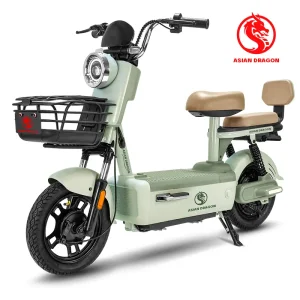
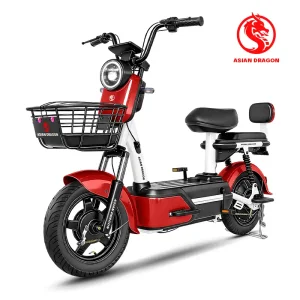
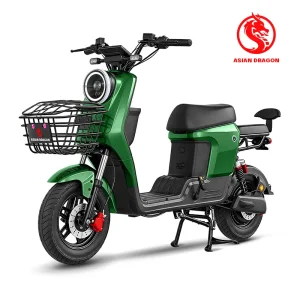
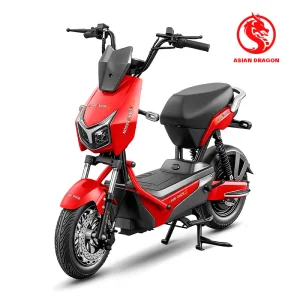
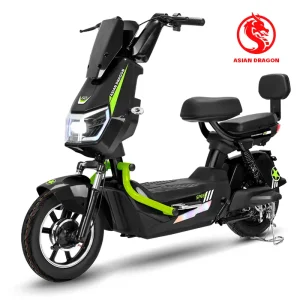
Aside from traditional e-bikes, urban logistics and delivery businesses in Brussels, Antwerp, and Charleroi are leaning heavily toward electric scooters. These configurations offer robust structural steel frames, wider seats, and enhanced load capacities. They are categorized as L1e-B class in Belgium, offering convenient and clean transport alternatives to traditional internal combustion engines.
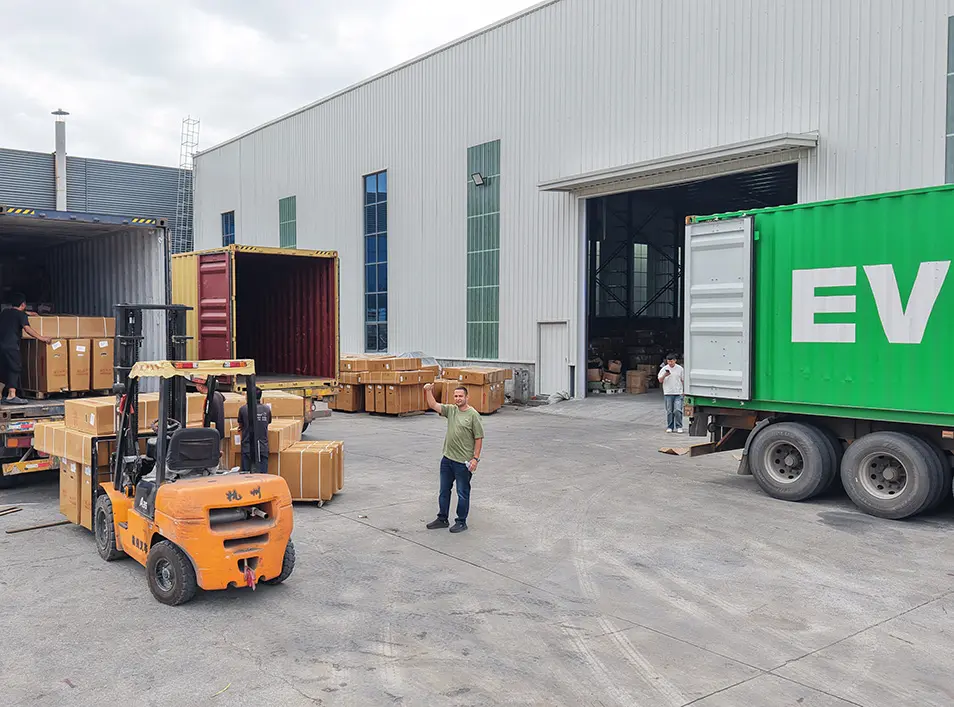
Importing electric two-wheelers into the European Union presents dynamic challenges, particularly anti-dumping duties on complete e-bikes sourced from China. To mitigate tariff barriers, professional B2B partners leverage a hybrid manufacturing model, utilizing CKD (Completely Knocked Down) or SKD (Semi-Knocked Down) shipping options. Linyi Fulong New Energy Co., Ltd. provides comprehensive solutions designed for local assembly partners in Europe, ensuring compliance and tax-efficient import structures.
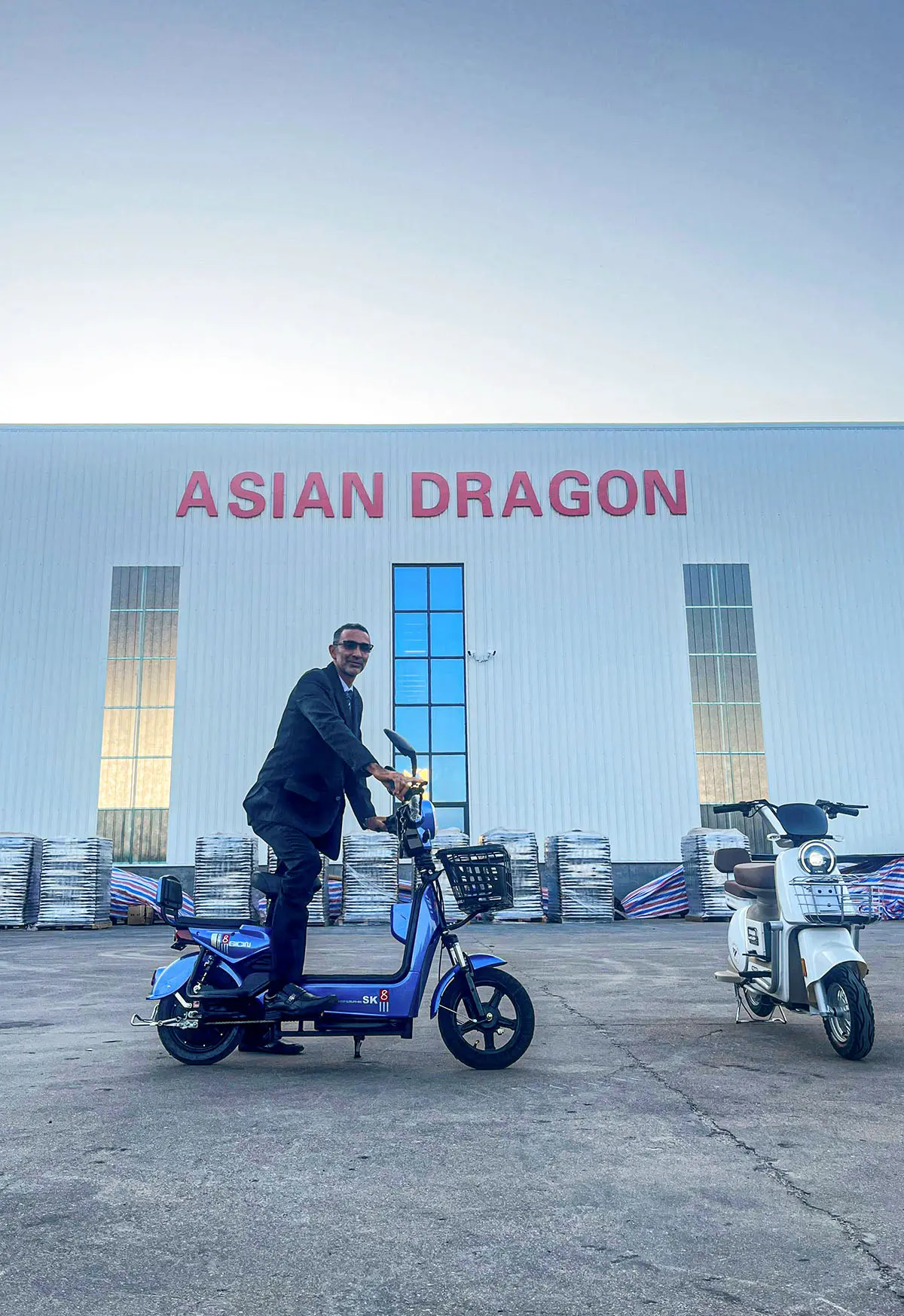
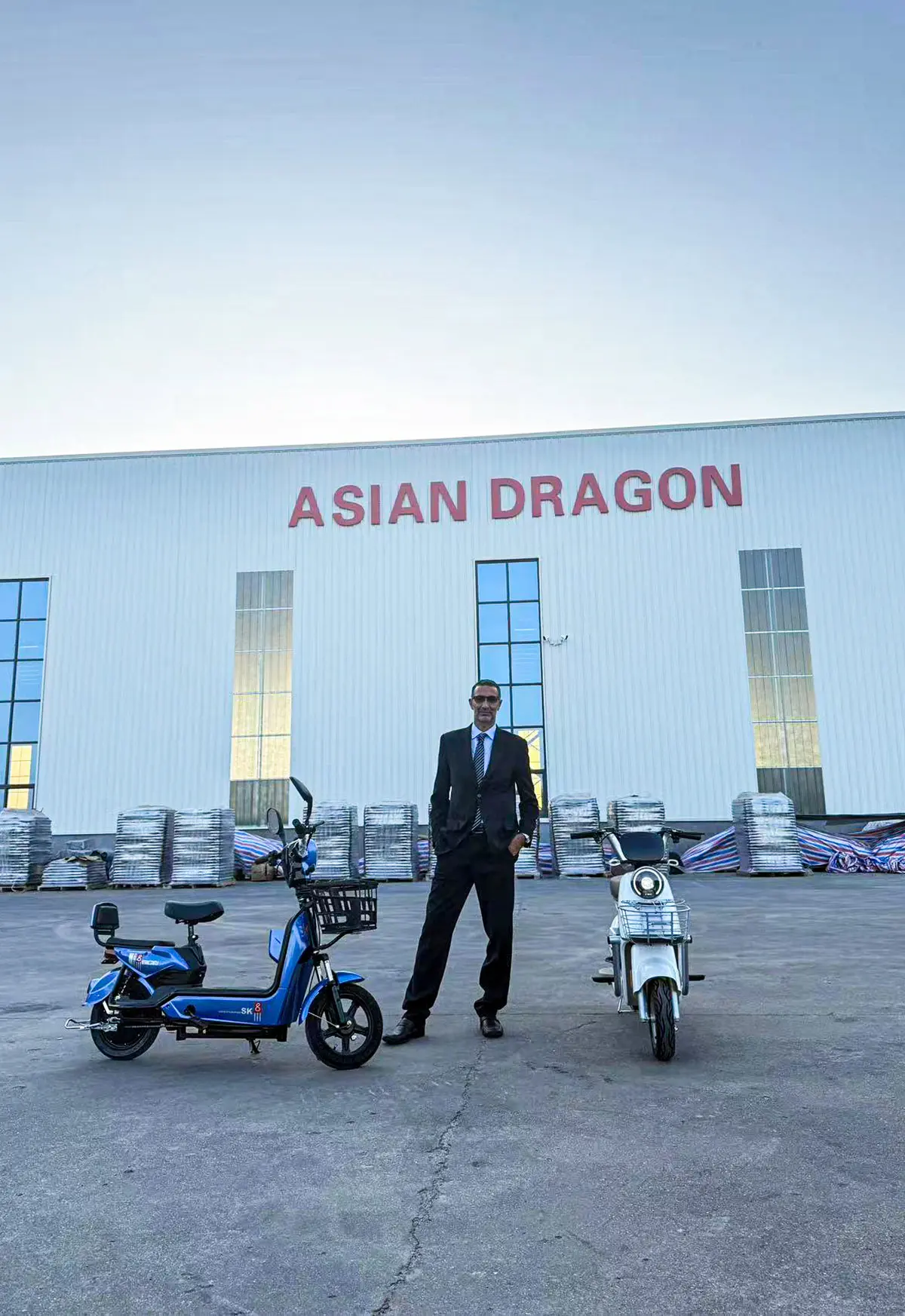
With a 20,000 m² state-of-the-art production facility, Fulong maintains a production capacity exceeding 500,000 units annually. Our production environment runs automated weld checks, precision motor diagnostic bays, and digital vibration stress-testing rigs.
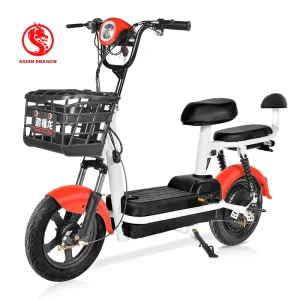
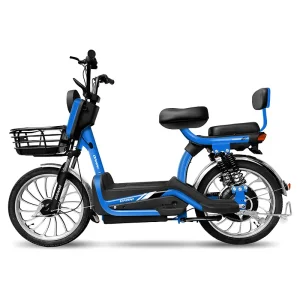
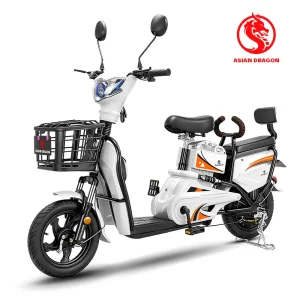
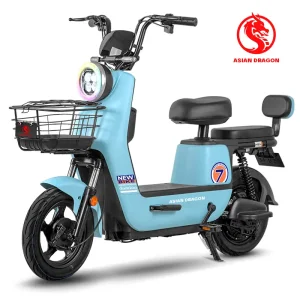
By controlling the supply chain from raw steel processing to final wiring checks, we offer customizable configurations tailored to the Belgian market. For instance, we integrate custom-colored, high-performance tires, heavy-duty cargo baskets, and reinforced child carrier seats, providing the flexibility needed for B2B fleet buyers.
Any E-Bike imported into Belgium must comply with the harmonized EU standard EN 15194:2017 (EPAC - Electrically Power Assisted Cycles). This mandates a cut-off speed of 25 km/h, a maximum continuous rated motor power of 250W (up to 500W/1000W under specific circumstances like speed-pedelecs or electric mopeds with registration certificates), and strict safety features preventing unauthorized power modifications. Our factory conducts strict laboratory certifications covering electromagnetic compatibility (EMC), mechanical chassis fatigue, and BMS surge protection to guarantee CE certificates on all shipped modules.
Founded with the vision to accelerate clean energy transit globally, Linyi Fulong New Energy Co., Ltd. has developed into a leading comprehensive enterprise integrating R&D, production, and sales of electric two-wheelers and three-wheelers. Having exported to over 90 countries and regions worldwide, we align our product line with rigorous international safety guidelines. Guided by the core operating principles of "customer first, quality first", we select high-grade raw material suppliers, maintain strict acceptance standards, and use automation to achieve fine control over the entire production cycle.
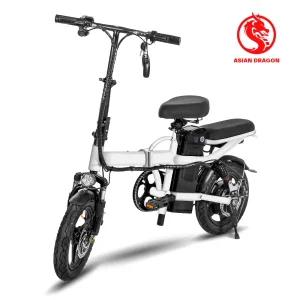
Every market has its unique commuter patterns. While short-distance urban commuters in Belgium demand lightweight, foldable models for seamless rail transit integration, school-run parents require robust, dual-seat configurations equipped with safe cargo baskets. Fulong provides customized designs categorized by target demographic groups, ensuring that your B2B inventory perfectly matches regional Belgian demands.
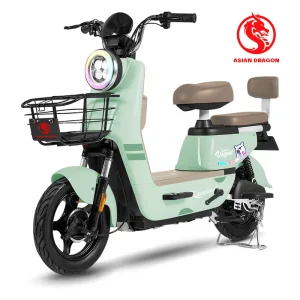
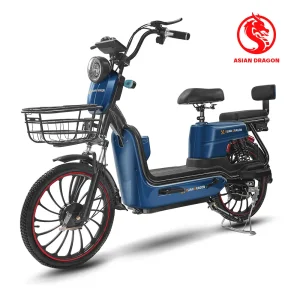
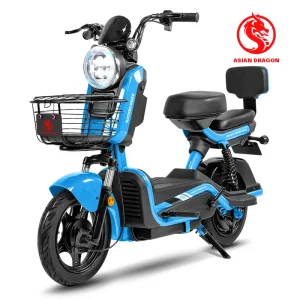
 Asian Dragon