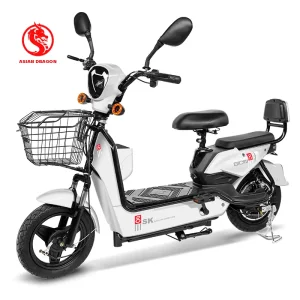
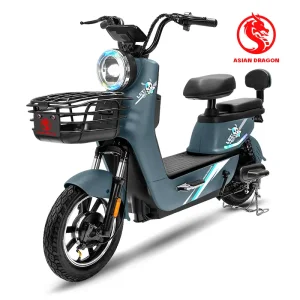
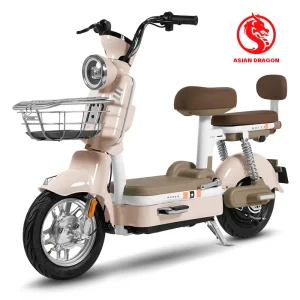
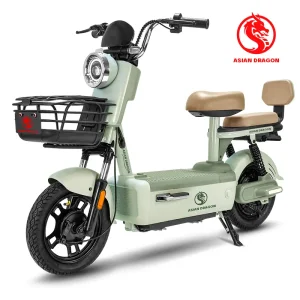
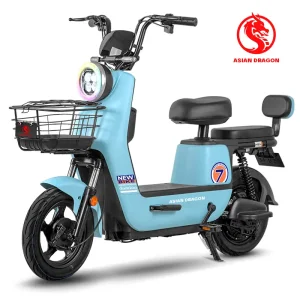
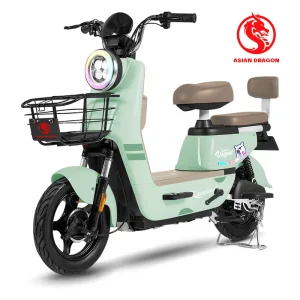
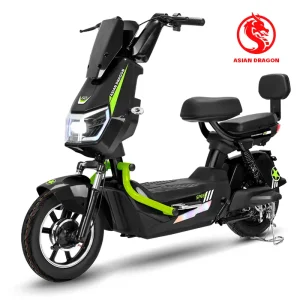
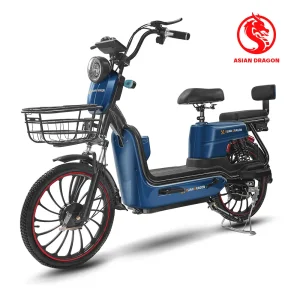
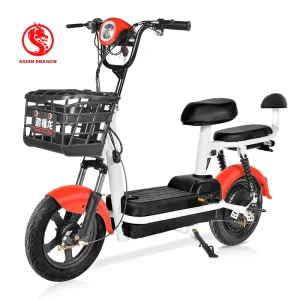
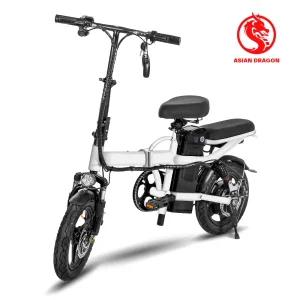
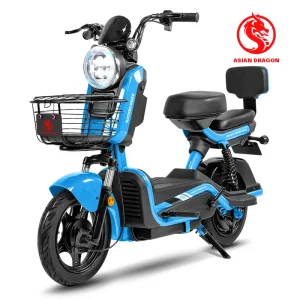
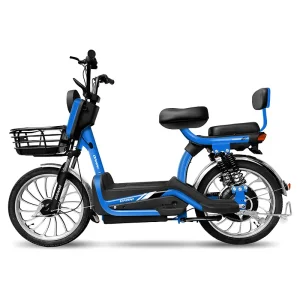
Engineered for high-torque urban transit, our introductory selection features our most sought-after configurations adapted for immediate deployment in local delivery networks and municipal transit corridors.
The micro-mobility revolution in the Midwest is undergoing a structural paradigm shift, with Chicago serving as the primary logistics and adoption hub. The City of Chicago's commitment to climate action, combined with the expansion of the Divvy bike-sharing network and the installation of low-stress bicycle networks, has created an unprecedented surge in consumer and commercial demand. Businesses, fleet operators, and direct-to-consumer (D2C) brands require highly durable, weather-resilient electric two-wheelers that can handle the extreme thermal variations and heavy wear of metropolitan infrastructure.
From the bustling streets of the Loop to the outer residential neighborhoods, Chicago's grid layout provides an optimal operational environment for Class 1, Class 2, and Class 3 e-bikes. However, local supply chains face challenges: severe winter climates require specialized lithium-ion battery management systems (BMS) with thermal protection, while commercial delivery operations require frame construction with high-yield strength. Sourcing from a factory partner that integrates precision automotive-grade engineering with scalable B2B export capacity is essential for regional importers looking to maintain high reliability and market share.
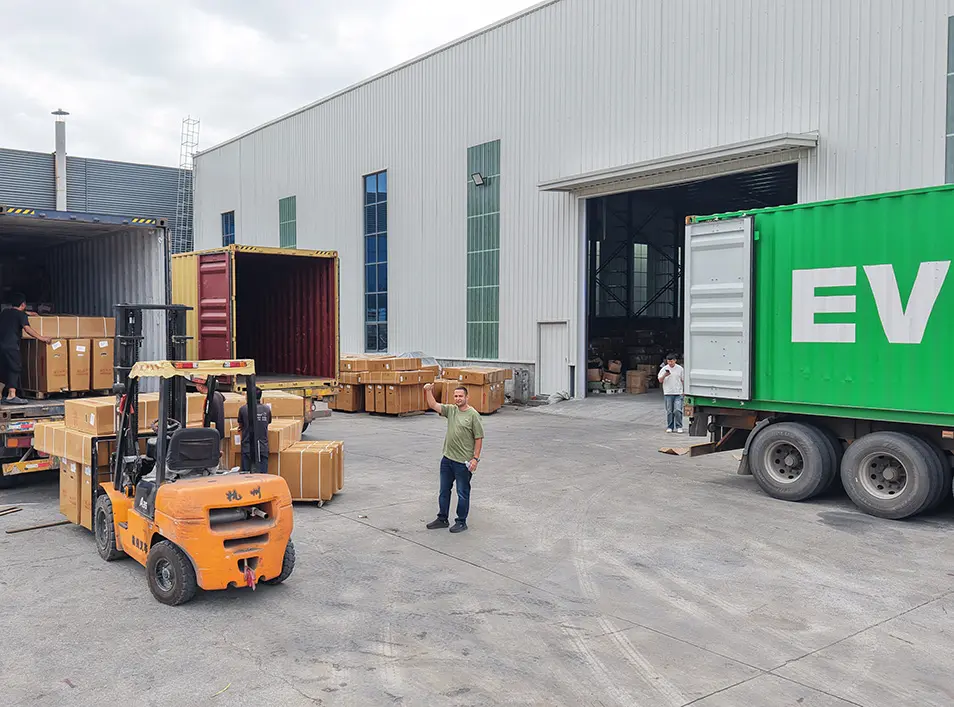
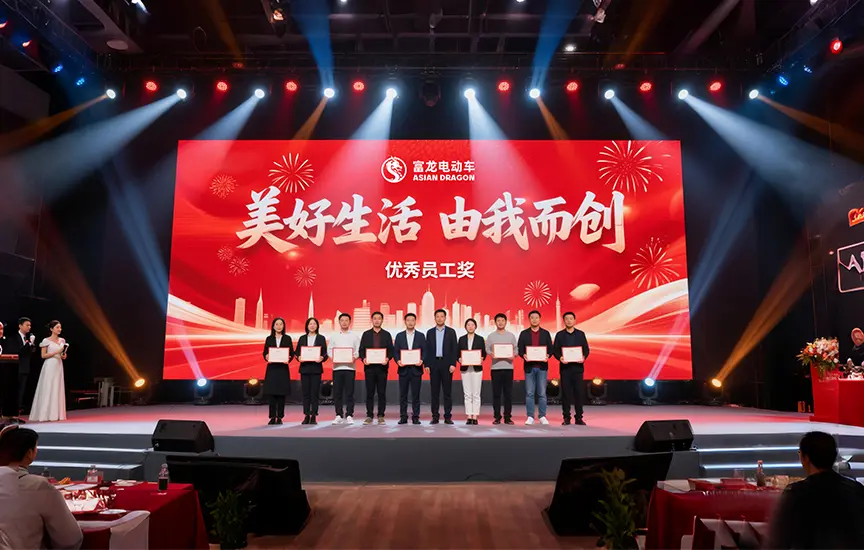
Linyi Fulong New Energy Co., Ltd. has developed into a comprehensive enterprise integrating the R&D, production, and sales of high-specification electric two-wheelers and three-wheelers, boasting a vertically integrated industrial chain. Currently, our state-of-the-art facilities produce an annual output capacity exceeding 500,000 units, exporting premium vehicles to more than 90 countries and regions worldwide, securing widespread recognition for robust engineering and compliance standards.
In the highly competitive international landscape, we adhere to the operational principle of "Customer First, Quality First." This commitment drives every step of our development: from the careful selection of raw materials to the deployment of automated manufacturing lines. By partnering with Tier-1 battery and motor component manufacturers, we ensure that every E-bike shipped to global distribution centers meets strict performance parameters, allowing commercial buyers to build their brands on a foundation of reliability.
Global procurement directors sourcing electric vehicles for the Chicago metropolitan area must navigate a complex landscape of logistics, customs compliance, and shipping configurations. Importing complete built-up units (CBU) or semi-knocked-down (SKD) kits requires strategic planning to minimize transit times and reduce overhead costs. By leveraging major inland ports of entry and rail terminals like the CenterPoint Intermodal Center in Joliet, distributors can streamline container shipments from coastal ports straight to Midwest distribution hubs.
Linyi Fulong New Energy Co., Ltd. offers tailored logistical packaging and container loading optimization to prevent transit damage to sensitive electrical components, paint finishes, and frame structures. Our logistics department coordinates direct-to-port ocean freight combined with reliable class-I railroad container shipping, ensuring that your inventory arrives on-schedule. For companies targeting the Chicago delivery fleet and retail markets, we offer flexible OEM/ODM options to configure container load splits, allowing for a strategic mix of commuter models, utility cargo options, and lightweight moped solutions in a single import run.
Chicago's seasonal temperature swings represent one of the harshest testing grounds for electric micromobility products. Sub-zero winter temperatures degrade standard battery performance, reducing operational range and compromising battery chemistry stability. To address these extreme conditions, our engineering team utilizes advanced lithium iron phosphate (LiFePO4) and lithium nickel manganese cobalt oxide (NMC) battery configurations protected by intelligent battery management systems (BMS).
Our premium designs incorporate low-temperature discharge optimization, moisture-sealed battery enclosures (minimum IP65 rating), and high-efficiency brushless controllers. This ensures reliable operation and stable torque delivery, even when navigating salted winter streets. Additionally, our heavy-duty hydraulic damping systems and reinforced steel and aluminum frames are built to absorb constant vibrations from cracked pavements, providing long-term structural integrity and reducing maintenance costs for high-mileage fleets.
Our long-term commitment to quality underpins all developmental paths. The factory maintains strict intake testing for all raw steel, battery cells, and electronic components, ensuring only verified parts enter the production line. By choosing a partner with a clear technical roadmap, you ensure that your fleet remains viable as technology advances, including integration with IoT tracking, fleet management software, and next-generation charging infrastructure.
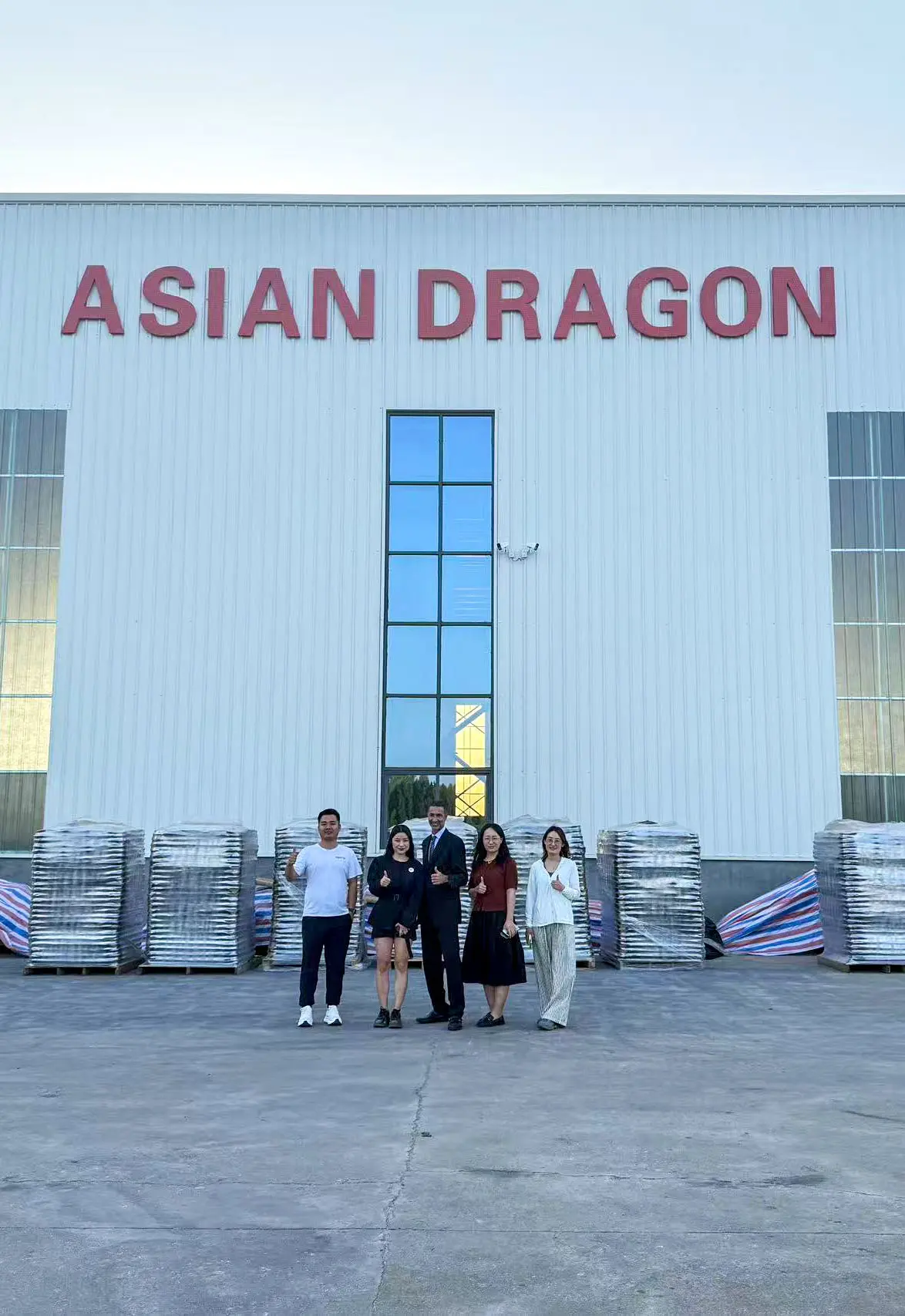
Every demographic has distinct riding preferences, range expectations, and styling demands. We design specific product features to match these requirements, ensuring high customer satisfaction across all segments.
Equipped with high-capacity batteries, integrated fenders, and secure cargo racks for daily city travel.
Affordable, lightweight designs featuring smart locking integration, ideal for campus mobility.
Sleek, minimalist aesthetic options with custom tire colors, LED headlights, and modern frames.
Robust motor outputs, high-torque hub drives, dual suspension systems, and responsive hydraulic brakes.
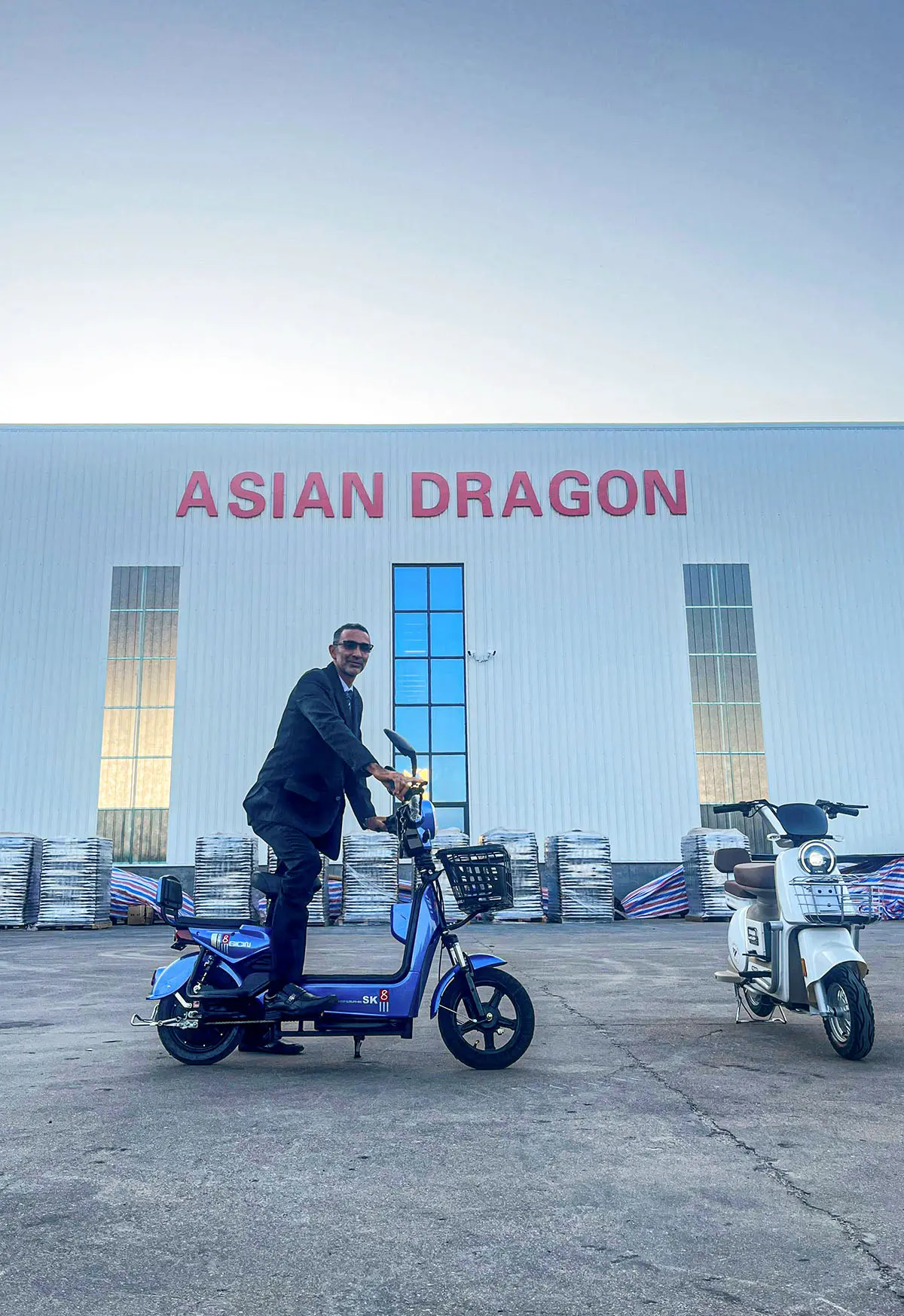
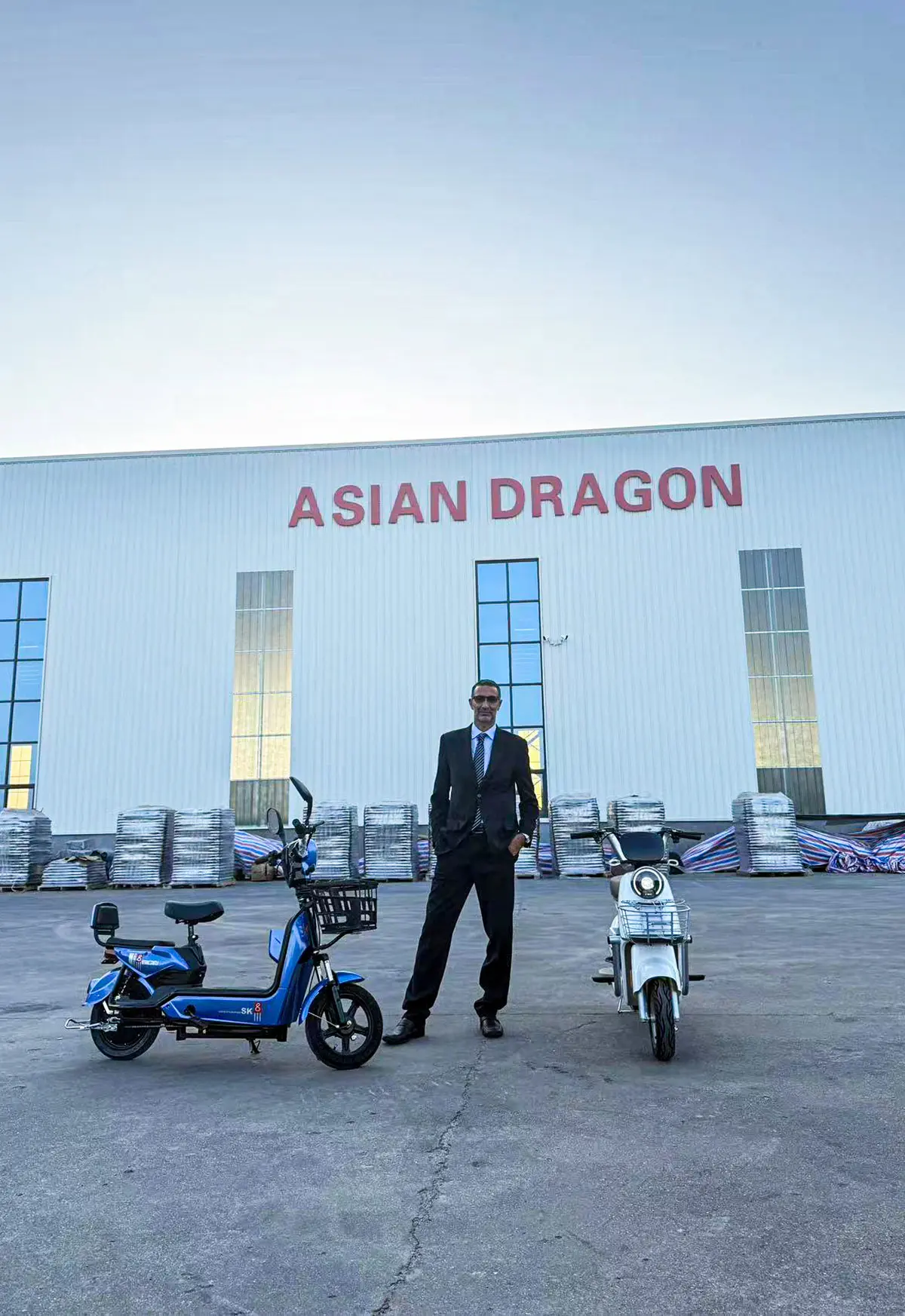
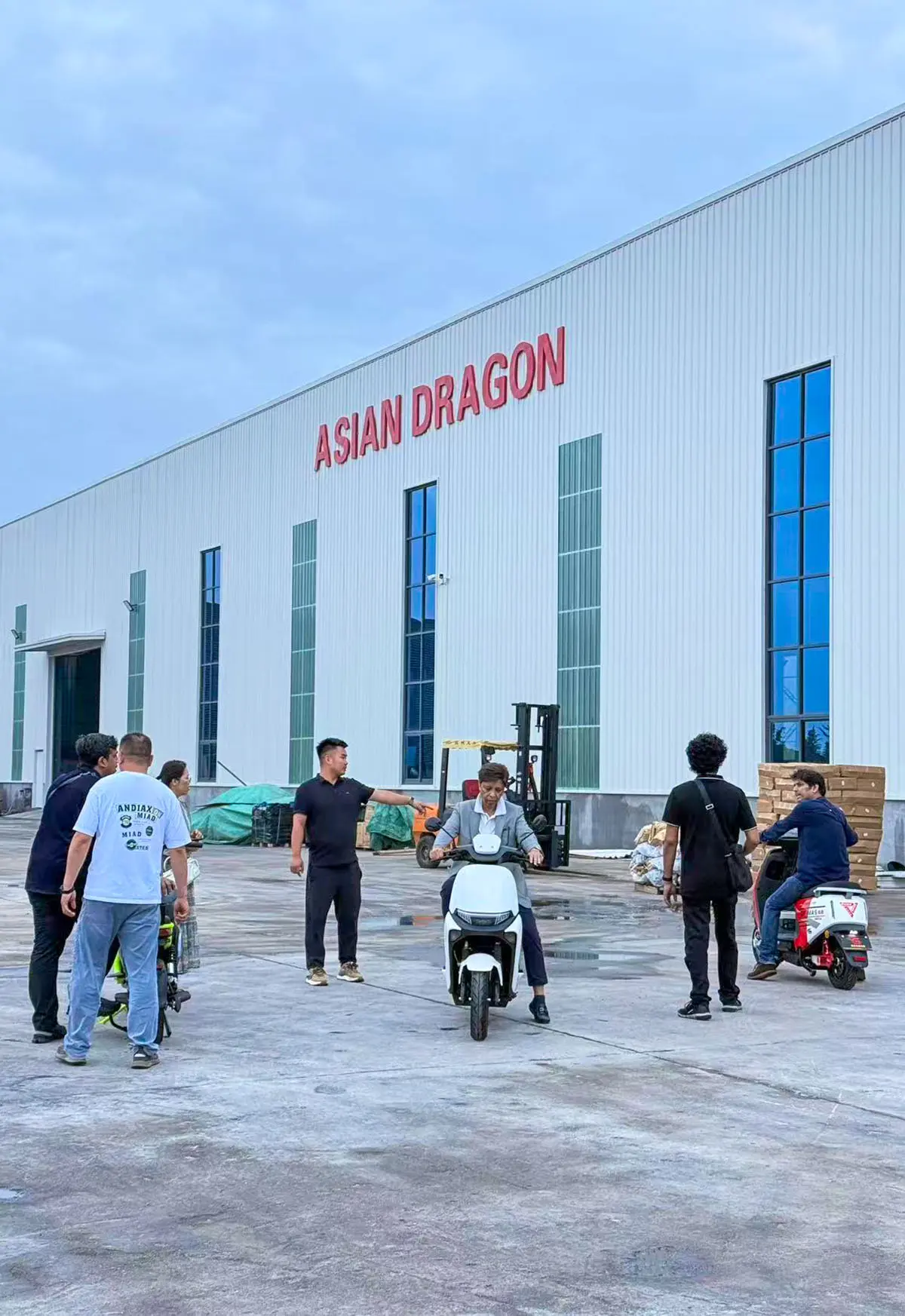
Essential guidance on certifications, regulatory compliance, logistics, and technical customization for commercial e-bike sourcing in Chicago and the wider Midwest region.
Explore our main product line, designed to meet the demands of fleet management, wholesale distribution, and retail operations in urban markets.
Connect directly with our engineering team to discuss customizations, freight options, tariff mitigation strategies, and MOQ structures for Chicago and Midwest distribution networks.
Send Inquiry Now Asian Dragon