 Asian Dragon
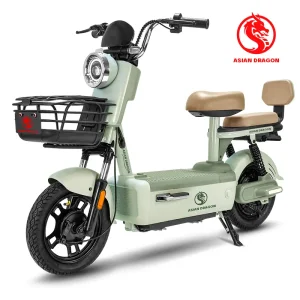
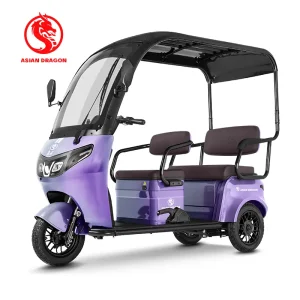
The E-Mobility Landscape in Vanuatu: A Structural Transition
The Republic of Vanuatu, an archipelago of over 80 volcanic islands in the South Pacific, is undergoing a profound energy transformation. Historically reliant on imported petroleum fuels, Vanuatu faces some of the highest electricity and transport costs in the region. To counter economic vulnerability and combat climate change, the Vanuatu government has prioritized the National Energy Road Map (NERM), aiming for a rapid shift toward 100% renewable energy generation and electrified transit systems.
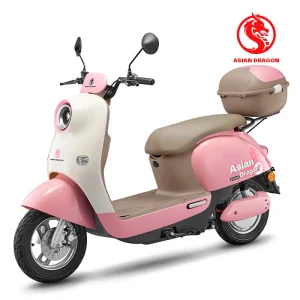
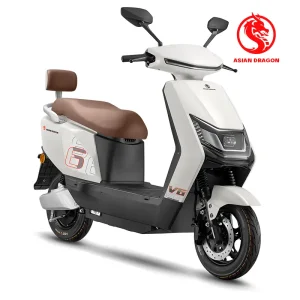
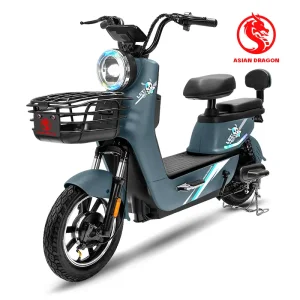
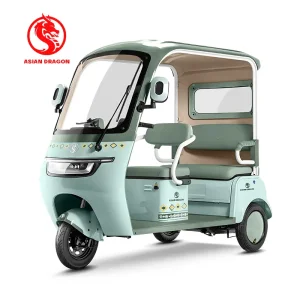
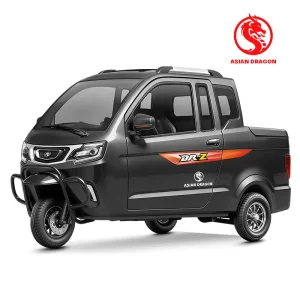
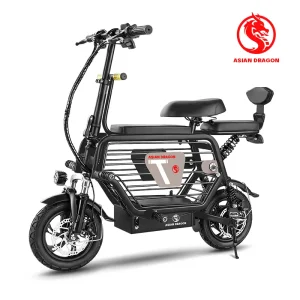
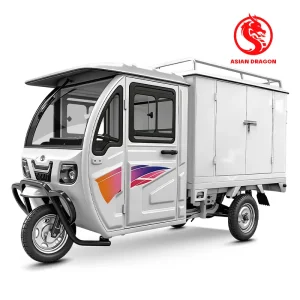
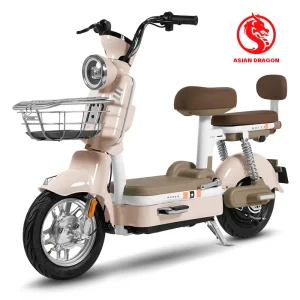
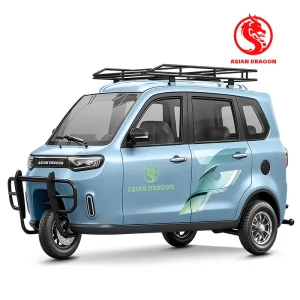
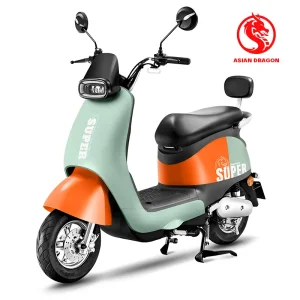
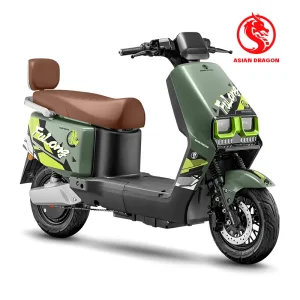
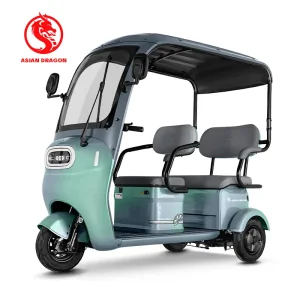
Micro-mobility, specifically high-durability electric scooters, e-bikes, and cargo e-tricycles, has emerged as the most viable path toward sustainable transport. Unlike heavy electric cars, lightweight e-scooters and e-bikes place minimal stress on island power grids. They can be effectively charged via decentralized off-grid solar systems, which are increasingly deployed across the outer islands like Tanna, Malekula, and Pentecost. This decentralized transit framework reduces carbon footprints while lowering transit expenses for local communities and municipal governments alike.
Technical Roadmaps: Engineering for High Humidity & Volcanic Slopes
Supplying electric micro-mobility vehicles to the Vanuatu market requires deep technical customization. Standard urban electric scooters built for European or North American paved cities will fail rapidly under the harsh conditions of the South Pacific. The following engineering specifications are required to guarantee reliability in Vanuatu's coastal and volcanic regions:
1. Advanced Corrosion Countermeasures
Vanuatu’s maritime environment features high atmospheric salinity, which causes rapid oxidation and structural failure in standard steel frames. Quality suppliers must utilize marine-grade 6061-T6 aluminum alloys or heavy-duty electrophoretic-coated steel. All hardware, including bolts, bearings, and suspension rods, must use 304 or 316 stainless steel to prevent rust and ensure structural integrity over years of operation.
2. IP67 Waterproofing and Battery Enclosures
Vanuatu receives intense, sudden tropical rainstorms, and roads frequently experience pooling water. The entire electrical drivetrain—including the motor, controller, battery management system (BMS), and wiring harnesses—must meet an IP65 ingress protection rating, with critical components such as the battery box and controller sealed to IP67. This prevents short circuits and guarantees rider safety during seasonal monsoons.
3. Optimized Powertrains for Volcanic Inclines
The terrain in Port Vila and surrounding islands is characterized by steep volcanic inclines and unpaved, coral-gravel roads. Standard 250W motors lack the torque required to ascend these slopes safely under load. An optimized fleet configuration for the Vanuatu market utilizes 500W to 1200W brushless DC (BLDC) hub motors configured with high-torque controllers, providing consistent power to climb hills up to a 20% gradient without overheating.
| Component | Standard Urban Specs | Vanuatu Island Spec Requirement |
|---|---|---|
| Frame Material | Standard Steel or Basic Alloy | Marine-Grade 6061-T6 Aluminum / Anti-Corrosive Coat |
| Water Protection | IP54 (Splash-proof) | IP67 Enclosure for Battery, IP65 for Motors |
| Motor Rating | 250W - 350W Hub Motor | 500W - 1200W High-Torque Brushless DC Motor |
| Suspension System | Rigid / Spring Fork Only | Dual Hydraulic Front & Rear Dampers (Coral-Gravel Rated) |
| Tire Compounds | Slick Street Tires (8-inch) | Deep-Tread All-Terrain Pneumatic Tires (10-14 inch) |