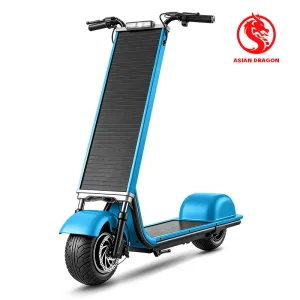
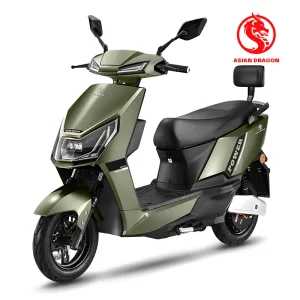
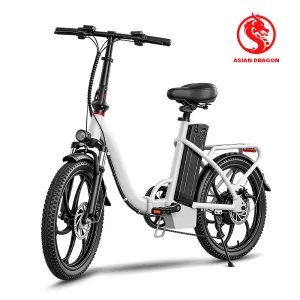
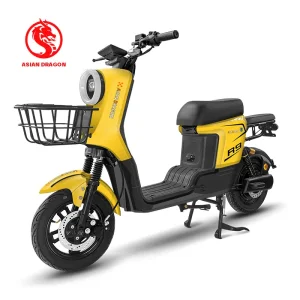
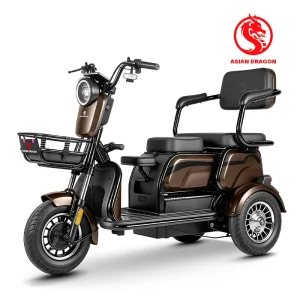
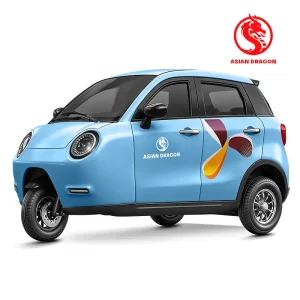
Selected zero-emission vehicles optimized for city logistics, local regulations, and long-range urban commuting in Hamburg.
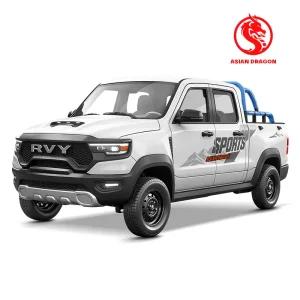
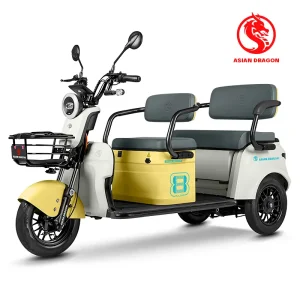
Linyi Fulong New Energy Co., Ltd. has established itself as an authoritative leader in the clean micro-mobility sector. Our production matrices are fully optimized to serve high-density logistics hubs like the Hamburg Metropolitan Region, providing unmatched scale and precision engineering. Combining a deeply integrated domestic supply chain with strict adherence to Western European quality parameters, we deliver the resilience modern importers require.
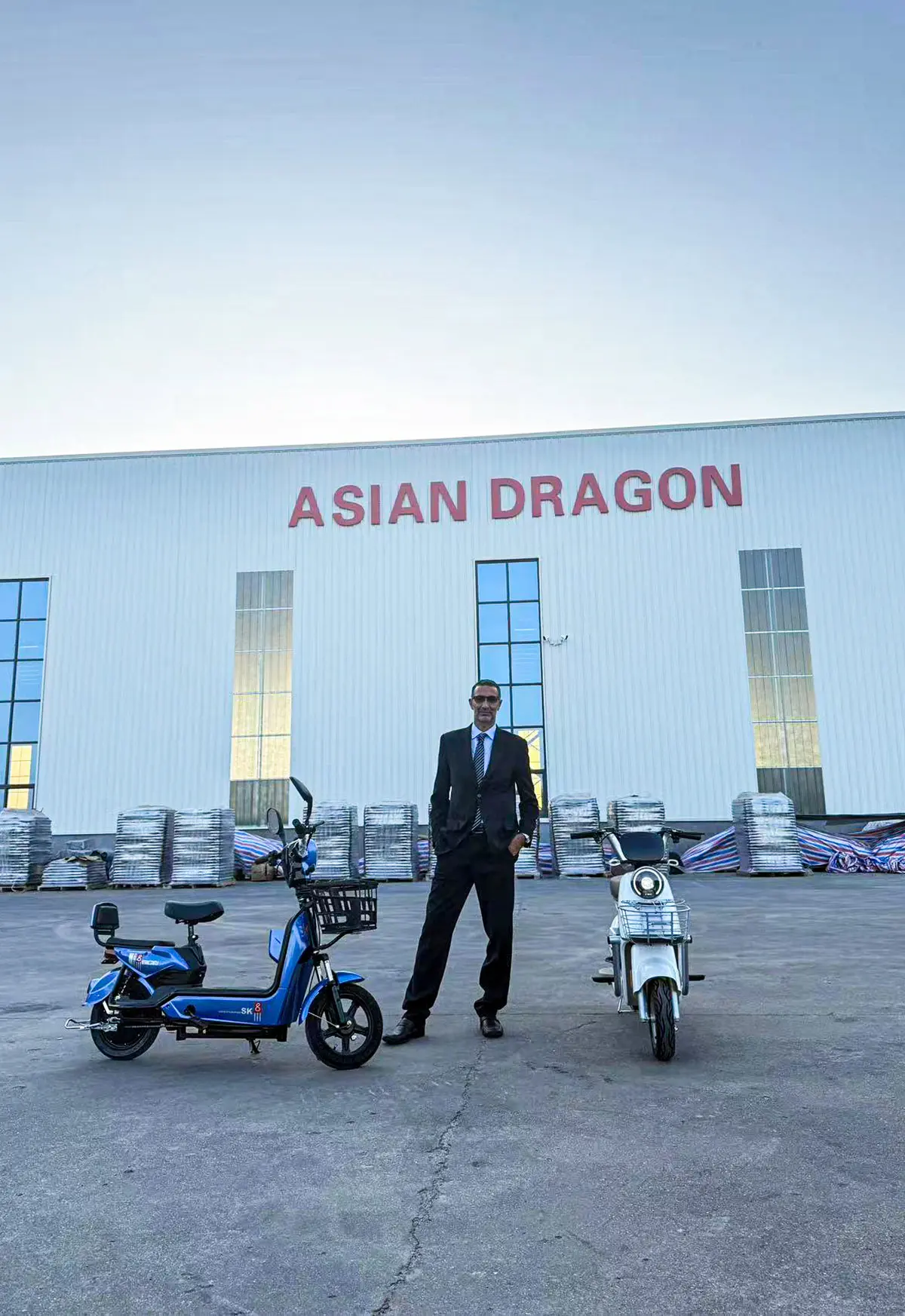
Currently, the factory achieves an annual capacity exceeding 500,000 electric mobility units, encompassing smart two-wheelers, heavy-duty three-wheelers, and custom last-mile delivery vehicles. Our products are deployed across more than 90 countries, proving their operational viability under diverse regulatory, weather, and infrastructural environments.
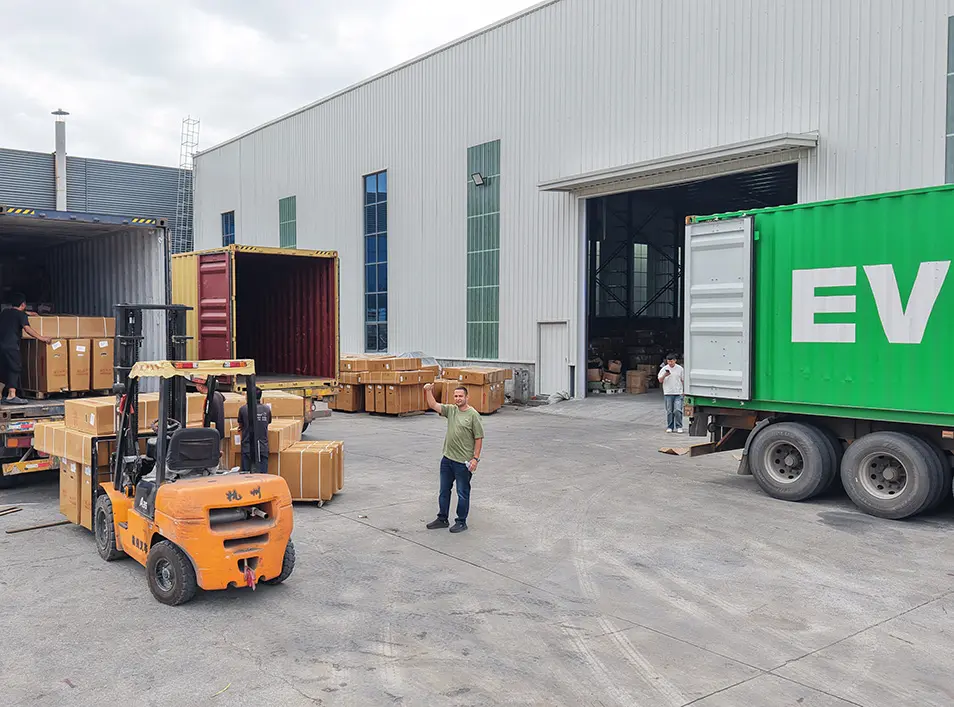
Analyzing localized logistics demands, regulatory structures, and weather resilience within northern Germany's largest urban center.
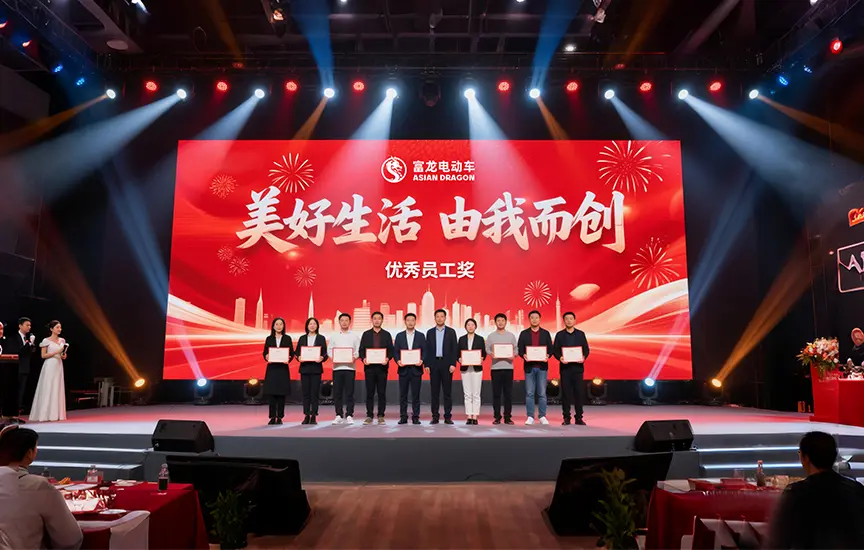
Hamburg presents a unique micro-mobility landscape. Positioned as a major trading and logistical port, the city demands highly durable transport equipment capable of operating in dense maritime settings, damp cobbled streets, and under the strict parameters of the German Elektrokleinstfahrzeuge-Verordnung (eKFV).
Any vehicle intended for retail sale, shared fleet operations, or corporate last-mile cargo distribution in Hamburg must satisfy demanding technical standards. This includes independent dual braking systems, precise front/rear lighting arrays complying with StVZO, and electronic speed-caps set strictly at 20 km/h. Furthermore, damp and cold coastal winters require high IP-ratings (IP65 minimum for electronics, IP67 for battery compartments) to prevent moisture ingress and early electrical failures.
As Hamburg moves aggressively towards its Climate Plan targets—which aim to reduce carbon emissions by 70% by 2030—the demand for robust, high-availability e-scooters, e-bikes, and e-trikes has surged. Fleet operators and commercial networks require reliable, cost-efficient manufacturing partners who understand these regional challenges and engineer their products to survive them.
Our European production runs feature dual-circuit mechanical braking, precise German-approved lighting systems, and firmware-locked speed controls ensuring rapid type-approval.
Integrated weatherproofing including marine-grade anti-corrosion coatings, sealed wire-harness junctions, and IP67 double-walled battery enclosures.
Integrated CAN-bus architecture allowing real-time tracking, remote diagnostic readouts, geofencing enforcement, and wireless OTA firmware updates.
Operating a modernized manufacturing cluster enables Linyi Fulong to deliver significant cost-efficiency and technical advantages to Hamburg buyers. Our Factory 4.0 initiative merges advanced automation, localized raw material sourcing, and strict quality control loops to minimize production overhead while driving up build consistency.
Automated robotic frame welding eliminates human error, ensuring structural rigidity and uniform load-bearing integrity across our vehicle lines. This is paired with an active Smart Battery Management System (BMS) testing facility where each battery pack undergoes extensive thermal-cycling, load testing, and discharge calibration before assembly. By centralizing the fabrication of critical chassis, motors, and wire harnesses, we insulate our clients from volatile global component markets and guarantee component consistency across large production runs.
For large-scale importers, public transit operators, and private brand operators in Germany, this manufacturing model guarantees delivery stability. We coordinate logistics from our manufacturing plants directly to major Chinese shipping terminals, ensuring reliable shipping schedules directly to the Port of Hamburg. This minimizes inventory holding costs and reduces supply chain risks.
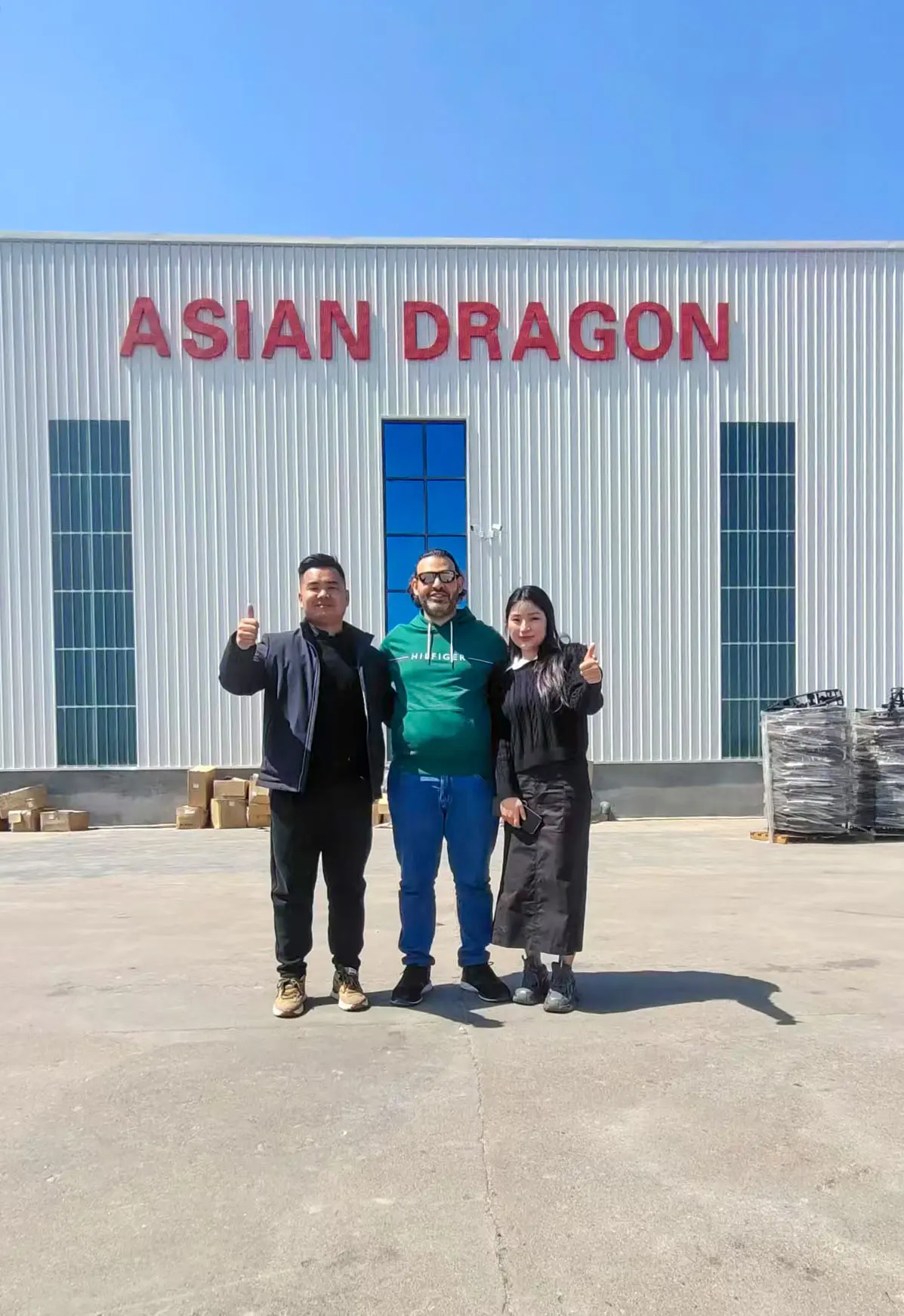
A forward-looking view into solid-state cell integration, smart municipal API connections, and regenerative energy innovations.
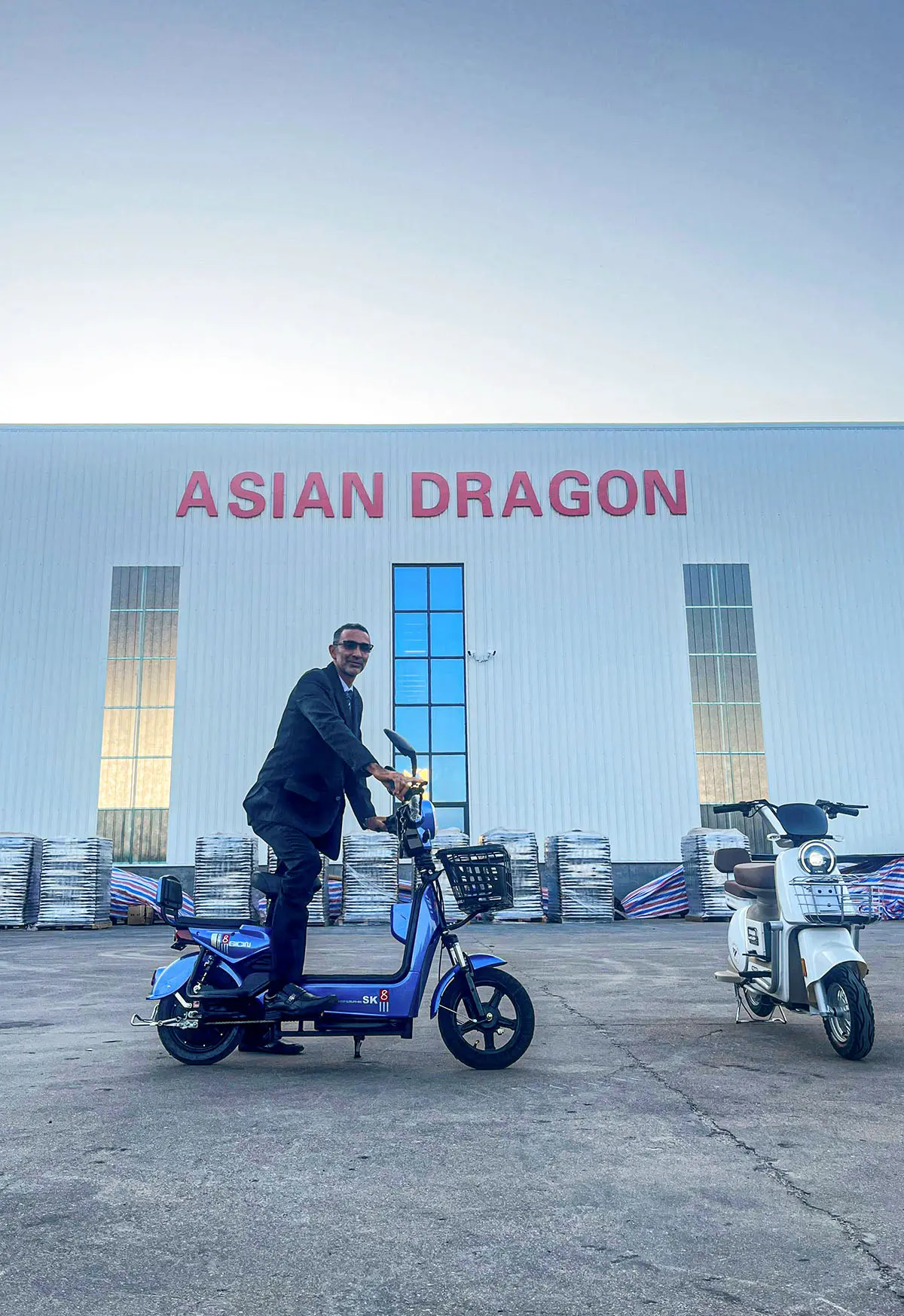
Our long-term technology roadmaps prioritize energy density, material circularity, and smart-city integration. Over the next three to five years, we are shifting our product lines from traditional Li-ion configurations towards highly stable Lithium Iron Phosphate (LiFePO4) and emerging solid-state battery options. These next-gen technologies dramatically lower thermal runaway risks, extend cycle life to over 3,000 cycles, and exhibit minimal capacity loss under northern European winter temperatures.
Additionally, we are expanding our smart charging capabilities. This includes deploying solar charging arrays integrated into the vehicle's frame structure, and optimizing smart regenerative braking systems that feed kinetic energy back into the battery during frequent urban stop-and-go patterns. In Hamburg, where public transit networks like the HVV demand seamless intermodal integration, our software engineering team is developing open API frameworks. These allow city transit managers to monitor and manage e-scooter and e-bike fleets directly through standard municipal transit applications.
How we streamline capital deployment, logistics handling, and lifetime maintenance support for commercial fleets.
Procuring a fleet of electric vehicles involves balancing up-front capital expenditure (CapEx) against long-term operational costs (OpEx). Linyi Fulong works closely with fleet managers in Hamburg to optimize their Total Cost of Ownership through several key approaches:
Clear, technical answers to common engineering, compliance, and logistics questions raised by enterprise buyers in Germany.
Yes. Our dedicated European production lines design models specifically to comply with the eKFV standard. This includes locking the top speed at 20 km/h via firmware, integrating two independent mechanical braking systems, and installing StVZO-certified lighting arrays and retroreflectors. We provide necessary technical paperwork to support your operating permit application (Allgemeine Betriebserlaubnis - ABE).
Our battery systems feature low-temperature electrolyte blends and integrated battery heaters within the BMS enclosure. This keeps discharge performance stable and prevents significant range drop-offs when temperatures drop towards freezing in Hamburg. We also use thick, fire-resistant thermal insulating wraps around our battery packs.
For standard OEM/ODM production runs, our factory turnaround is typically 30 to 45 days from order confirmation to port delivery. Maritime shipping from Qingdao or Shanghai directly to the Port of Hamburg averages 35 to 40 days. We provide comprehensive FOB or CIF logistics management, including all necessary customs clearance documentation, certificates of origin, and battery safety test reports (UN38.3).
We provide a 1-year comprehensive warranty on critical electronic components, including motors, controllers, and battery packs. To minimize downtime for local operators in Hamburg, we include a pre-selected package of replacement components (including tires, brake pads, lights, and switches) with every container shipment. We also provide online technical training and video assistance for your local mechanics.
Absolutely. Our vehicles are equipped with open CAN-bus protocols that support integration with major third-party IoT modules (such as Teltonika, Fitrider, or Segway). Alternatively, we can pre-install our proprietary GPS/cellular IoT module configured to connect directly to your custom fleet management software or city API.
To keep production lines running efficiently and maintain our competitive pricing, our MOQ for custom colors, logos, and specific feature sets is typically 50 units for electric trikes/motorcycles, and 100 units for standard e-scooters and e-bikes. Smaller pilot orders can be negotiated on a case-by-case basis.
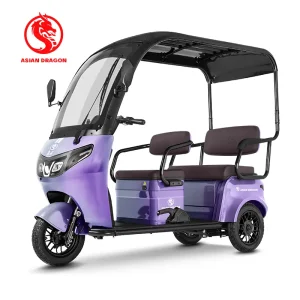
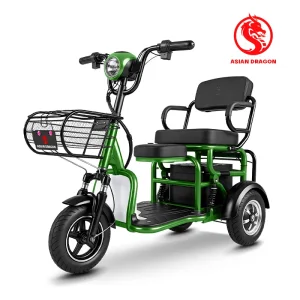
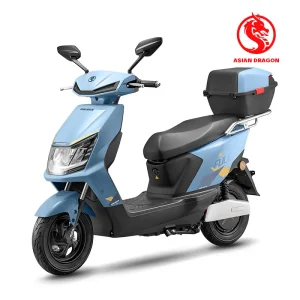
High-capacity cargo trikes, robust all-weather commuters, and multi-passenger models built for commercial and industrial service.
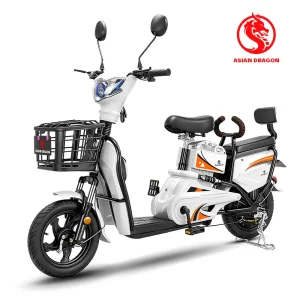
 Asian Dragon