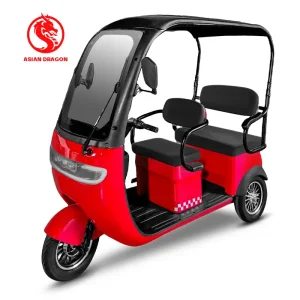
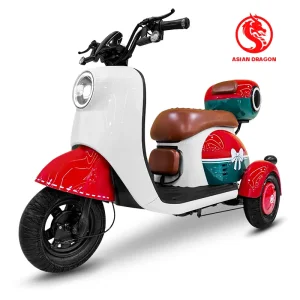
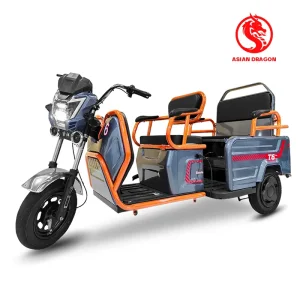
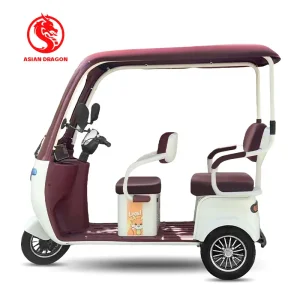
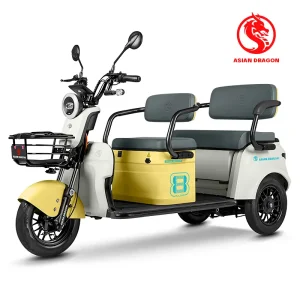
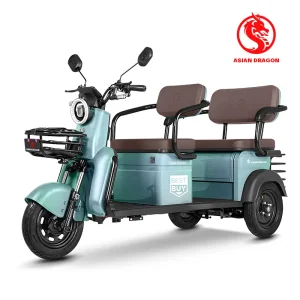
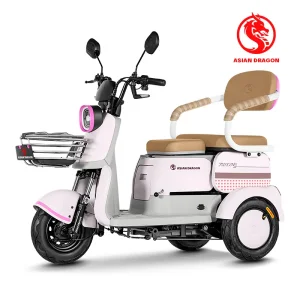
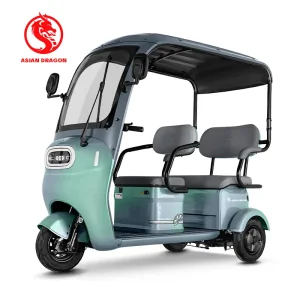
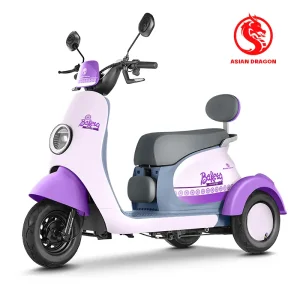
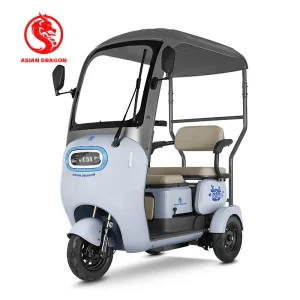
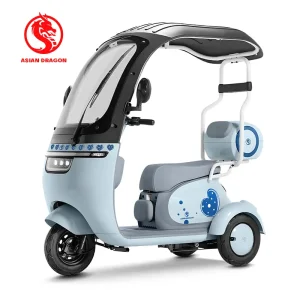
Discover our top-tier electric trikes engineered for reliable last-mile logistics, daily commuting, and urban mobility within the Netherlands.
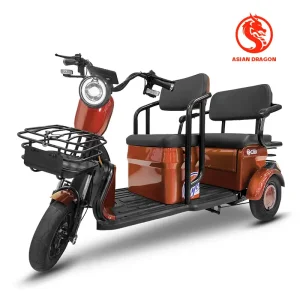
The Netherlands sits at the absolute global vanguard of bicycle-friendly urban infrastructure, backed by more than 35,000 kilometers of dedicated cycle paths (fietspaden). However, as municipalities enact zero-emission logistics mandates in city centers such as Amsterdam, Rotterdam, Utrecht, and The Hague, businesses are rapidly hitting the limits of standard two-wheeled cargo bikes. The need for larger cargo volumes, superior stability, passenger safety, and multi-passenger transit structures is shifting demand toward advanced, three-wheeled E-Tricycles.
Unlike two-wheeled equivalents, commercial and passenger E-Tricycles offer structural load distribution capable of hauling payloads from 150 kg up to 500 kg without compromising operator stability. For the aging Dutch population seeking sustainable personal transport, passenger E-Trikes provide stable, low-gravity platforms that keep riders safe during frequent stops. Sourcing from our automated manufacturing plants empowers Dutch distributors to secure highly customized, compliant fleets at optimal unit costs.
Download Commercial PDF
From anti-corrosive chassis structures to high-density smart power storage, we build to endure the coastal, rainy climates of the Netherlands.
Optimized battery management systems configured for Dutch winter temperatures (0°C to -5°C). Incorporates pre-heating and fast charging to maintain up to 95% efficiency in damp coastal climates.
Fully compliant with UNECE L-category classification (L1e-A, L2e-U). Built with dual-circuit hydraulic disc braking systems, high-visibility LED illumination, and dynamic speed limiters to comply with fietspaden regulations.
Innovative rainproof and insulated structural canopies designed specifically for all-weather urban utility. Lightweight materials maintain aerodynamics while safeguarding goods and passengers.
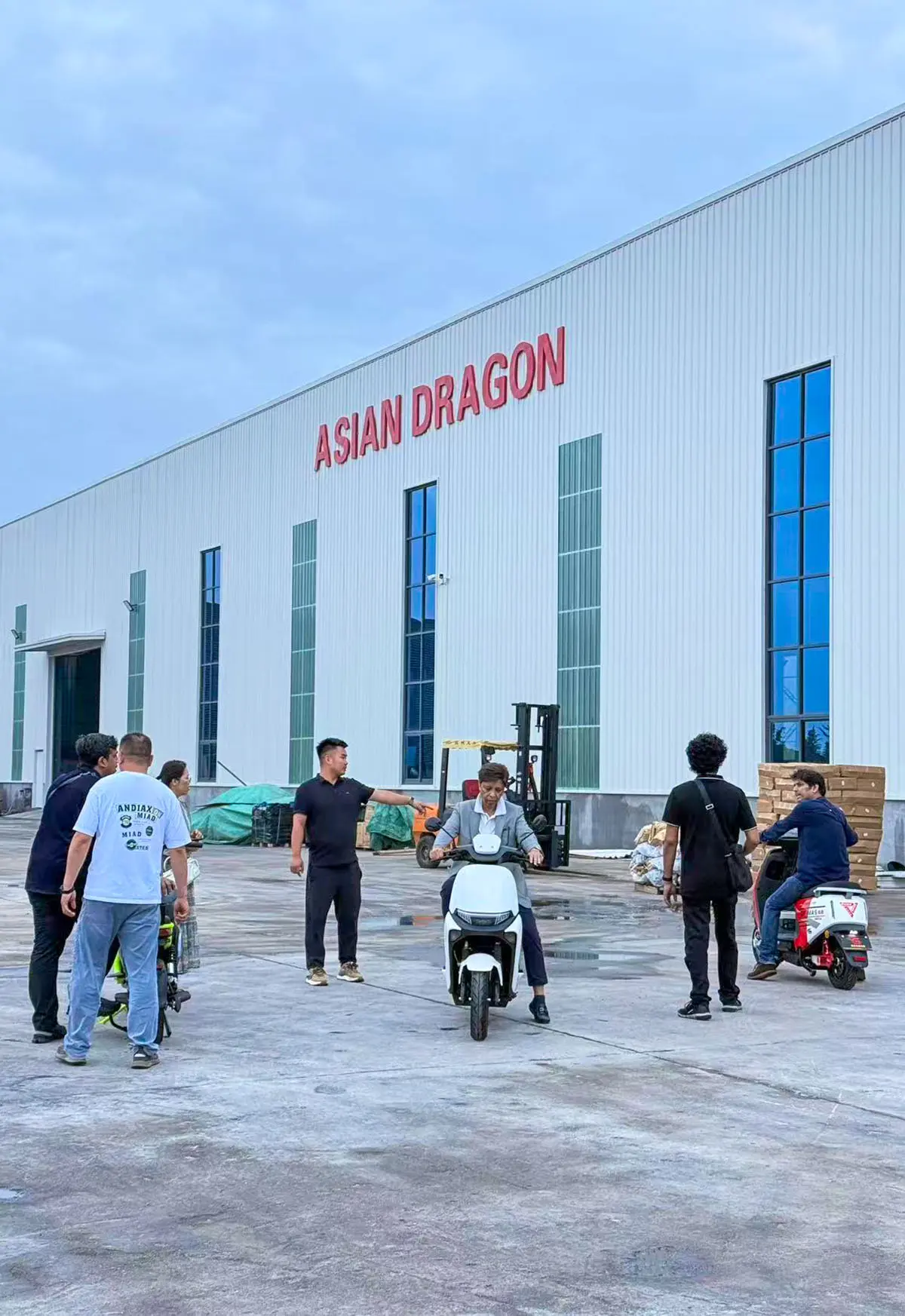
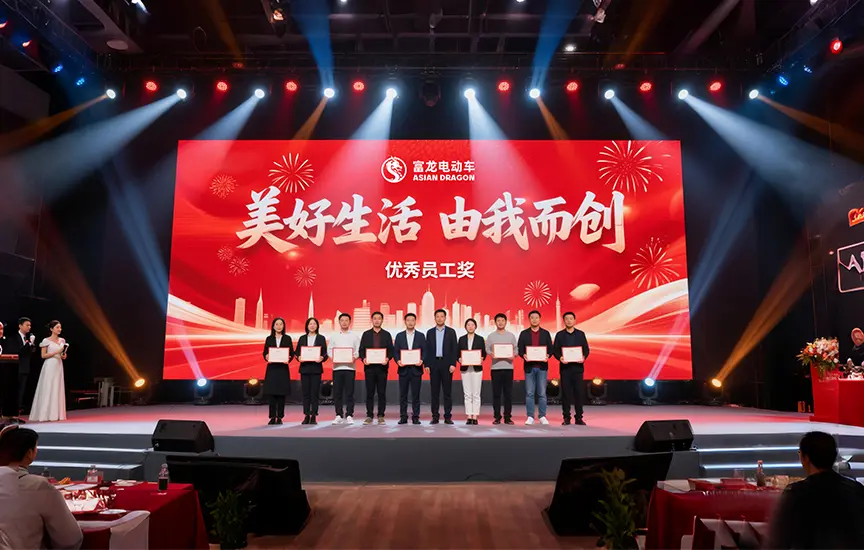
Founded in 2017, Linyi Fulong New Energy Co., Ltd. has scaled into a leading global developer and OEM/ODM manufacturer of electric two-wheelers and three-wheelers. Driven by our mission of "customer first, quality first," we manage a rigorous production workflow from raw metal stamping and robotic frame welding to automated painting and electronic diagnostics.
With an annual output capacity exceeding 500,000 units, we supply reliable light electric vehicles (LEVs) to distributors, logistics providers, and shared-mobility operators in more than 90 countries. Our end-to-end quality checks ensure that every vehicle complies with target-market safety, chassis integrity, and electrical performance standards.
Request Factory Profile & AuditsOur flexible R&D allows custom configurations for diverse user groups, optimizing motor torque, battery cell capacity, and chassis widths.
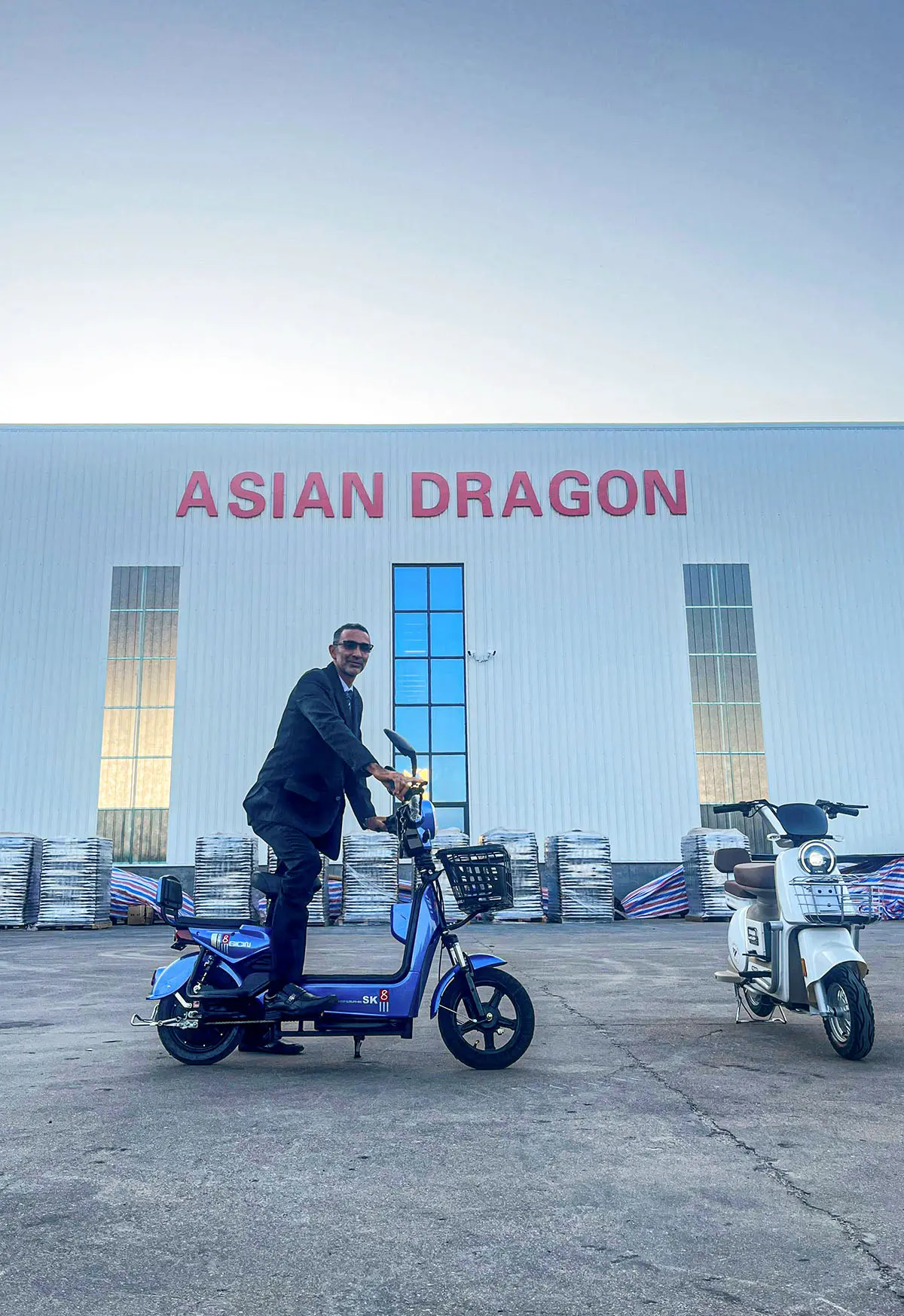
Comfortable seating, lightweight frames, and optimized ranges for daily city transits.
Heavy-duty cargo bays, reinforced dual rear axles, and high-capacity battery options.
Stable three-wheel designs, simple controls, and low-step entry systems for safe operations.
Robust IoT integrations, GPS positioning, and vandal-resistant structural designs.
Importing electric vehicles into the Netherlands demands strict adherence to both EU regulations and local Dutch administrative decrees. For three-wheeled light electric vehicles, key classifications under Regulation (EU) No 168/2013 dictate whether a vehicle is classified as a powered cycle (L1e-A), a three-wheeled moped (L2e), or a motor tricycle (L5e). Our engineers configure motor ratings (e.g., 250W, 1000W, or up to 4000W) and mechanical speed governors to align directly with the target classification.
Furthermore, all components must meet strict European product safety standards, particularly concerning electromagnetic compatibility (EMC) and battery cell stability (EN 15194 and UN38.3 certifications). Our supply chains verify that every lithium battery pack integrates a smart BMS with automatic short-circuit protection and thermal fuses, mitigating the safety issues that occasionally arise with uncertified components. We also provide full documentation support (Certificate of Conformity - CoC) to simplify Dutch RDW registration processes.
Request Compliance RoadmapAnalyze how each vehicle class matches different operational demands in the Netherlands.
| Vehicle Class | Average Payload Capacity | Primary Dutch Infrastructure Use | Regulatory Classification | Ideal Applications |
|---|---|---|---|---|
| E-TRICYCLE | 150 kg – 500 kg | Dedicated Bike Lanes / Public Roads | L1e-A / L2e / L5e (EC 168/2013) | Urban Logistics, Senior Transport, Local Deliveries |
| E-MOTORCYCLE | 100 kg – 180 kg | Public Road Networks Only | L3e (Two-Wheeled Motorcycle) | Medium-Distance High-Speed Commutes |
| E-SCOOTER | 80 kg – 120 kg | Cycle Lanes (Snorfiets) / Main Road (Bromfiets) | L1e-B (Two-Wheeled Moped) | Short-Range Personal Commuting |
| E-BIKE | 50 kg – 100 kg | Dedicated Bike Paths (Fietspaden) | EPAC (EN 15194) | Individual Leisure, Micro-Cargo Delivery |
Read about our specialized customized vehicle deployments configured for various Dutch municipalities.
Deployed custom 48V electric drivetrains with high-torque gear hubs to support terminal-to-warehouse cargo hauling, featuring automated speed caps for pedestrian safety.
View Case Details
Custom design with weatherproof canopies and high-efficiency battery management system, tailored for wet and cold municipal operational zones.
View Case Details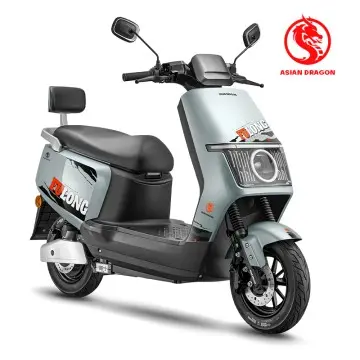
Integrated custom GPS tracker systems, remote monitoring modules, and durable hardware suitable for student rentals and public transit hubs.
View Case DetailsComprehensive technical and regulatory information for B2B procurement managers sourcing electric trikes for the European market.
In the Netherlands, e-tricycles fall under distinct categories depending on their motor output and design speed. Under EU Regulation 168/2013, light e-trikes with pedal assist up to 25 km/h and maximum 250W continuous power output are generally treated as standard bicycles and can use dedicated cycle lanes (fietspaden). Trikes exceeding these limits, such as those with 1000W or 2000W motors, are categorized as speed pedelecs or mopeds (L2e-U category). These require RDW vehicle type-approval, a license plate, and third-party liability insurance, and the operator must wear an approved helmet.
The coastal climate of the Netherlands introduces high humidity and road-salt exposure in winter. To prevent rust, our e-tricycle chassis undergo electrophoresis and industrial-grade powder coating. For electrical performance, we use waterproof wiring harnesses (IP65/IP67 rated). Additionally, our lithium battery management systems (BMS) protect cells from low-temperature charging damage and maintain stable power delivery when temperatures drop near freezing.
We provide deep customization solutions for Dutch commercial fleets, including branded colors, custom steel or aluminum cargo boxes, insulated compartments for food delivery, and integrated GPS tracking platforms. We also configure electrical systems (motor power, speed limits, and battery capacity) to match local regulatory and routing requirements.
We offer flexible shipping terms including FOB, CIF, and DDP. For imports into the Netherlands via major hubs like the Port of Rotterdam, we assist with customs documentation, HS Code classification, CE certifications, and anti-dumping regulation compliance, ensuring a smooth import process for your logistics team.
Explore our full catalog of specialized electric three-wheelers, available for bulk wholesale and custom ODM projects.
Collaborate with a certified manufacturer. We provide complete technical specifications, EU compliance certifications, and logistics solutions tailored for the Dutch market.
Send Inquiry Now Asian Dragon