 Asian Dragon
Navigating Tokyo’s Micro-Mobility and Last-Mile Delivery Revolution
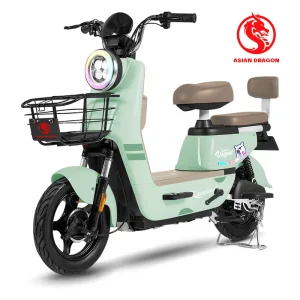
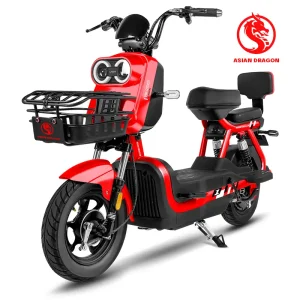
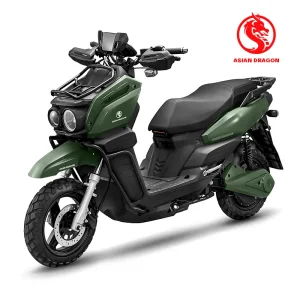
The Greater Tokyo Area, home to over 37 million residents, represents one of the most sophisticated transportation ecosystems globally. Under the Tokyo Metropolitan Government's (TMG) vision of a "Zero Emission Tokyo" by 2050, there is an accelerating structural shift toward lightweight, eco-friendly electric vehicles (EVs). Traditional delivery cycles and high-emission vehicles are being actively phased out in favor of multi-functional electric bikes, scooters, and cargo tricycles.
Tokyo's commercial topology presents unique operational demands: high density, extremely narrow streets in residential districts like Setagaya and Suginami, and rigorous safety regulations set by the Ministry of Land, Infrastructure, Transport and Tourism (MLIT). Navigating these parameters requires electric vehicles that are compact, structurally sound, and compliant with local standards. For global logistics, local businesses, and municipal planners, partnering with factories that engineer custom specs for Tokyo is crucial to maximizing operational efficiency while reducing regulatory friction.
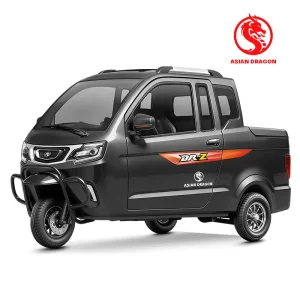
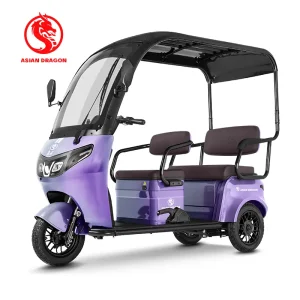
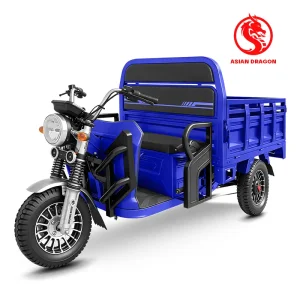
Furthermore, the rapid rise of on-demand home deliveries and localized grocery services has triggered an unprecedented demand for industrial-grade electric cargo trikes. The deployment of fleet vehicles like the ASIAN DRAGON Cargo E-Trike ensures that last-mile delivery services can successfully navigate congested central zones, narrow access alleys, and steep topographies without facing parking restrictions or excessive operating costs.